If you are planning a multi-week trip to the South West of England, you have likely run into the ultimate West Country dilemma: Should you set up your base camp in Bristol or Bath?
They are only 11 minutes apart by train, yet living in them feels like stepping into two completely different worlds. Bristol is bold, coastal, gritty, and buzzing with independent creative energy. Bath, just down the River Avon, is an elegant, busy yet tranquil city steeped in Georgian romance and Roman thermal wellness.
In this guide, I am breaking down everything you need to know to pick the right slow travel base for exploring South West. From transit connections and neighborhood vibes to where to buy your morning flat white, here is your definitive, friendly guide to choosing between Bristol and Bath as your slow travel home base.
The 30-Second Verdict: Which Base Fits Your Style?
If you are in the middle of trip planning and just want the quick takeaway, here is how the two cities compare at a glance:
| Feature | Bristol (The Creative Powerhouse) | Bath (The Historic Haven) |
| Overall Vibe | Creative, coastal, industrial-chic, energetic | Elegant, Georgian, romantic, historic, peaceful |
| Walkability | Neighborhood-focused; hilly with distinct hubs | Exceptionally walkable; compact city center |
| Transit Connectivity | Major rail hub (Wales, Devon, London, North) | Great local rail line & direct Cotswolds buses |
| Best For | Foodies, remote workers, craft beer & music lovers | History buffs, bathhouse seekers, countryside walkers |
| Car-Free Day Trips | South Wales, Somerset Coast, Mendips, Wye Valley | Cotswolds villages, Wiltshire, Bradford-on-Avon |
| Base Accommodation | Harbourside flats, Victorian terraces in Clifton | Honey-stone townhouses, Walcot Street lofts |
Choose Bristol if you love vibrant city neighborhoods, world-class independent food halls, underground arts, and having rapid rail links to a massive geographic area (from Cardiff to Cornwall).
Choose Bath if you dream of stepping out your door onto cobbled heritage streets, walking everywhere on foot, soaking in thermal waters after a day hike, and spending your weekends wandering around honey-colored Cotswold villages.
1. City Vibe & Atmosphere: Urban Energy vs. Georgian Serenity
The moment you arrive in either city, you will notice a contrast in pace and mood that dramatically affects how your days unfold.
Living in Bristol: Raw Creativity and Neighborhood Pride
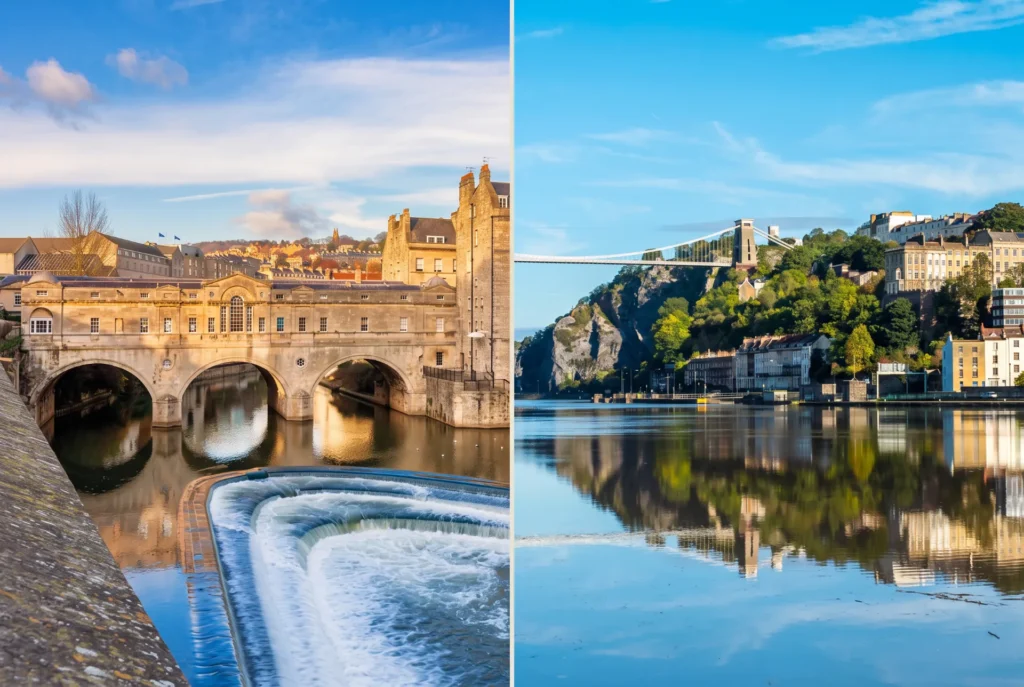
Bristol does not try to be pretty in a neat, postcard way—though parts of it, like the breathtaking suspension bridge hanging over the Avon Gorge in Clifton, are genuinely magnificent. Instead, Bristol is alive with independent grit and a creative spirit.
It is a city of distinct neighborhoods. You can spend a slow morning grabbing a cinnamon bun in Stokes Croft surrounded by vibrant street art murals (including original works by Banksy), spend the afternoon watching rowing crews from a pub on the Harbourside, and wrap up your evening sipping natural wine in Southville.
Because Bristol is a living, working university and tech city of over 470,000 people, it feels incredibly authentic. You won’t feel like a tourist here, you will feel like a local just living here. The energy is infectious, making it an inspiring spot if you are balancing slow travel with remote work or creative projects.
Deeper Dive: If you want a closer look at why this harbor city has captured the hearts of long-stay travelers, read my full guide on Why Bristol is the Ultimate UK Hidden Gem for Slow Travel.
Living in Bath: A Golden-Hued UNESCO Living Museum
Bath feels like a storybook brought to life. Built almost entirely from warm, honey-colored Bath limestone, the city is a masterpiece of 18th-century Georgian architecture layered over ancient Roman thermal foundations.
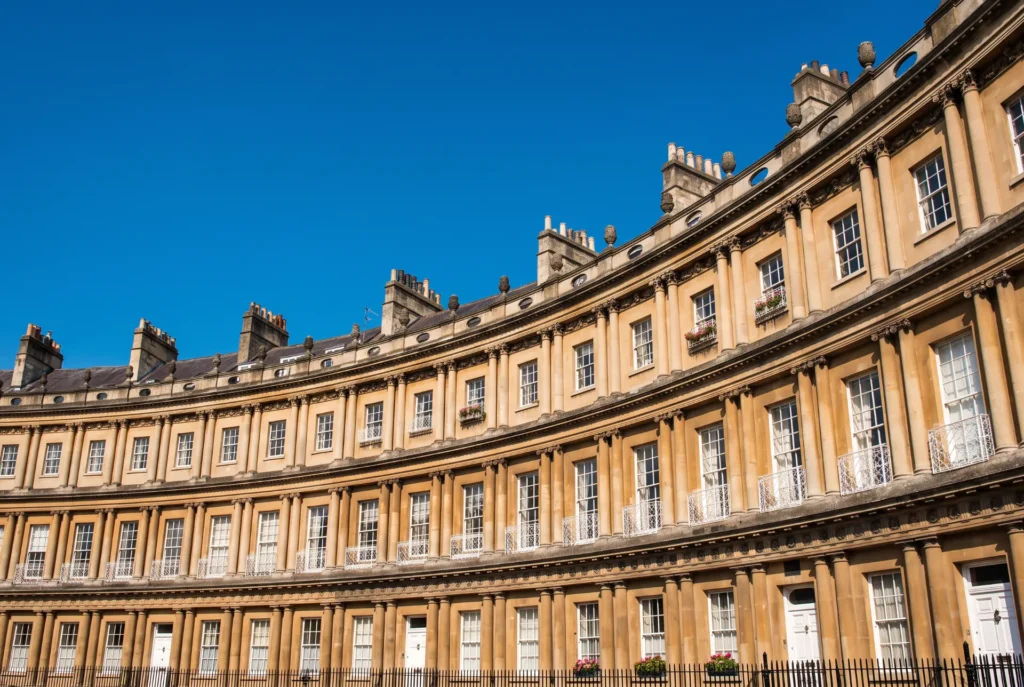
Where Bristol pulses with creative and indie energy, Bath invites you to slow down and breathe. A typical Tuesday here looks like walking along the Royal Crescent as the morning mist clears, picking up freshly roasted beans in the Artisan Quarter, and spending your afternoon reading by the River Avon.
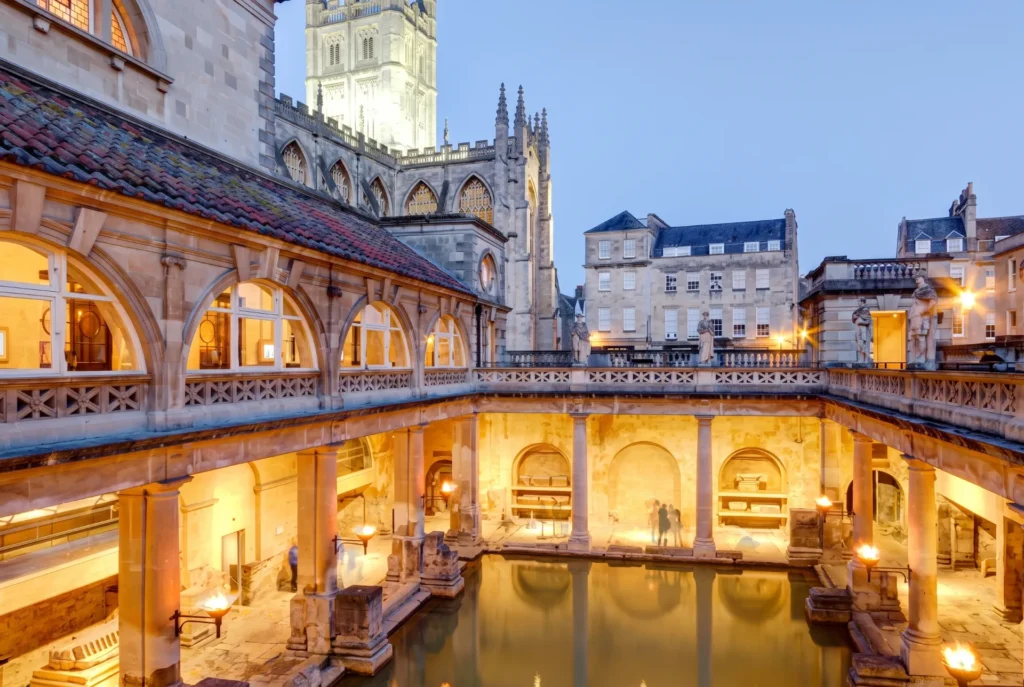
Bath is noticeably smaller and more compact than Bristol (with a population under 100,000). The trade-off is that during peak summer months, daytime tourist crowds fill the main pedestrian avenues around the Roman Baths and Bath Abbey. However, because you are staying for longer, you get to enjoy Bath’s secret magic: by 5:00 PM, the day-trippers head home, leaving the glowing, quiet streets entirely to the locals and long-stay guests.
If you are wondering whether Bath’s world-famous heritage still delivers for modern travelers, I broke down everything in Is Bath, UK Worth Visiting in 2026? A Travel Guide to England’s Most Beautiful City. And if you are eager to map out your first 24 hours in town, take a look at How to Spend The Perfect Day in Bath – UK’s Most Stunning City and 15 Free Things to Do in Bath for some inspirations.
2. Day Trip Connectivity: Exploring the West Country Without a Car
One of the biggest requirements for a slow travel base is convenience: how easy is it to wake up on a random Thursday and explore somewhere new without the stress of driving on narrow country lanes?
Both cities excel at car-free travel, but their transit routes point in slightly different directions.
Bristol as Your Launchpad: The Regional Powerhouse
If you want to cover a wide range of landscapes—coastal towns, Welsh castles, deep gorges, and vibrant market cities—Bristol Temple Meads is one of the best rail junctions in the UK.
- Easy Rail Connections: Hop on a direct Great Western Railway (GWR) train and cross the Severn Estuary into South Wales (Cardiff is just 50 minutes away). Heading south, direct trains bring you to coastal gems like Clevedon (famous for its Victorian pier) and Weston-super-Mare.
- The Legendary 376 Mendip Explorer Bus: Bristol is the starting terminal for one of the most scenic bus routes in Britain. The 376 bus sweeps out of Bristol Bus Station and takes you straight into the Mendip Hills, dropping you off in Wells (England’s smallest city, home to a cathedral) and Glastonbury (with its legendary Tor and abbey ruins). From Wells, you can jump on a quick connecting bus right into Cheddar Gorge for dramatic cliffside walks.
- The Car-Free Cycle Path: You can even cycle between your bases! The Bristol & Bath Railway Path is a flat, 13-mile traffic-free trail built along a disused railway line, dotted with riverside pubs and old train station cafes along the way.
Bath as Your Launchpad: Countryside & Cotswold Heritage
Bath Spa train station sits right on the edge of the compact center, making train departures effortless. While its rail network isn’t quite as vast as Bristol’s, Bath is the ultimate gateway for romantic countryside day trips.
- Bradford-on-Avon (12 minutes by train): This gorgeous Wiltshire town feels like a mini-Bath without the crowds. Think limestone weavers’ cottages clinging to steep hills, a Saxon church, and scenic canal walks along the Kennet and Avon Canal.
- Frome (30 minutes by train): If you are in Bath on the first Sunday of the month, the short train ride to Frome brings you to The Frome Independent, a town-wide artisan market that is arguably the best indie shopping experience in Somerset.
- The Southern Cotswolds & Lacock by Bus: Bath is ideal for accessing honey-stone Cotswold icons. Local buses connect you to Castle Combe (often called the prettiest village in England) and Lacock (a historic village preserved by the National Trust, featured heavily in Harry Potter and Downton Abbey). Check out my Harry Potter filming locations in Lacock guide for details on the exact spots and other tips..
3. Where to Live: Best Neighborhoods & Stays for a Week Trip
When staying somewhere for a fortnight, you want a residential neighborhood with grocery stores, local cafes, green spaces, and character—not just a sterile hotel strip.
Top Neighborhoods in Bristol
Clifton & Clifton Village
If you want classic architecture, grand leafy squares, and high-end indie shops, Clifton is paradise. Perched above the city center, it feels like a peaceful enclave. You will find incredible sourdough at Easton Bakery, independent cheese shops, and easy access to the Clifton Downs for evening walks overlooking the Suspension Bridge.
Southville & North Street
Located just south of the River Avon, Southville is the creative heart of residential Bristol. North Street is lined with cozy coffee spots, craft breweries, street art, and organic greengrocers. It is flat, friendly, and ideal for remote workers looking for a welcoming neighborhood vibe.
Harbourside & Wapping Wharf
For modern apartment living right on the water, look at Wapping Wharf. Converted shipping containers hold some of the city’s best tiny restaurants, bakeries, and coffee roasters. You can walk along the floating harbor every morning right outside your front door.
Top Neighborhoods in Bath
Walcot Street & The Artisan Quarter
Located just north of the city center along the river, Walcot Street has long been Bath’s bohemian heart. It is packed with vintage furniture shops, independent bakeries, quirky pubs, and quiet residential apartments. It gives you immediate access to central Bath while keeping you tucked away from the main tourist drag.
Bear Flat
Perched on the hill just south of Bath Spa station, Bear Flat is a charming residential neighborhood loved by locals. It features a great local butcher, independent dining options, and access to Alexandra Park, which offers the single best panoramic view over Bath’s golden rooftops.
Widcombe
Situated just across the river from the train station, Widcombe offers a village atmosphere right in the city. Widcombe Parade has fantastic neighborhood pubs (like The Ring O Bells), small coffee shops, and direct access to the Kennet & Avon Canal towpath for long afternoon strolls.
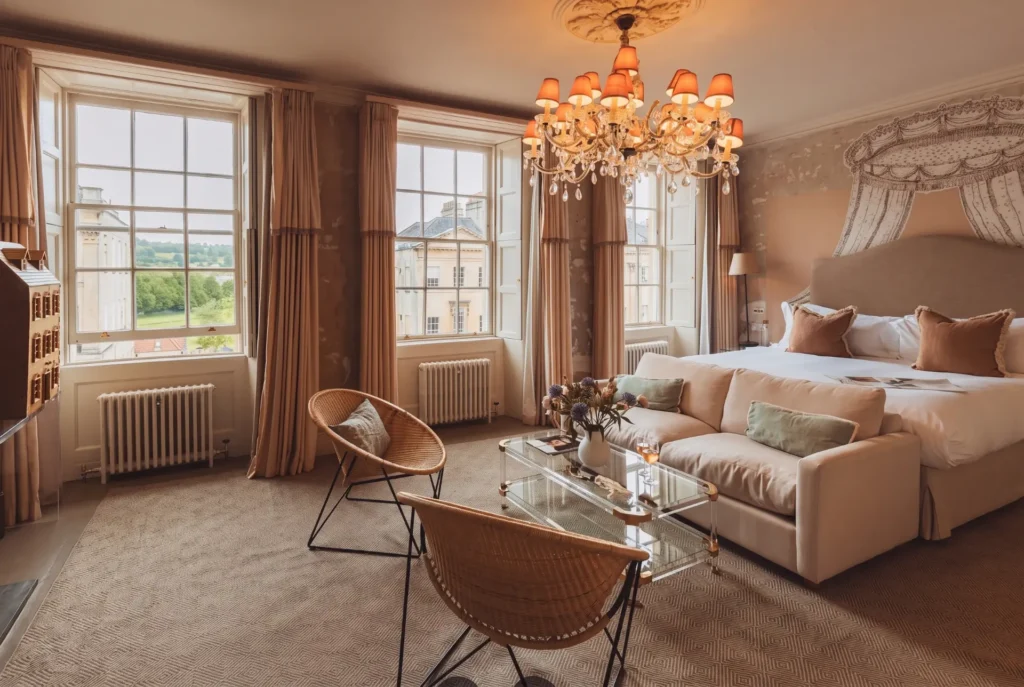
Where to Book Your Stay: If you are deciding between a stylish boutique or a restorative spa stay, check out Where to Stay in Bath, UK: The Ultimate Guide to Boutique & Thermal Spa Hotels for an in-depth breakdown of the top boutiques and spa hotels in Bath.
4. Food, Coffee & Daily Lifestyle: Living Like a Local
Slow travel is as much about your daily rituals as it is about sightseeing. Here is how your daily routine will look in each location.
The Bristol Food Scene: Bold, Independent, and Innovative
Bristol is widely recognized as one of the UK’s greatest food cities, particularly for independent concepts.
- Coffee Culture: Bristol takes its espresso seriously. You will find world-class specialty roasters like Full Court Press in the Old City, Small St. Espresso, and Sweven in Bedminster.
- Food Halls & Container Dining: St Nicholas Market (housed in a 1743 glass-domed exchange building) serves up everything from Persian wraps to authentic Szechuan street food. Over at Cargo in Wapping Wharf, you can eat Michelin-quality small plates inside converted shipping containers overlooking the water.
- Evening Vibe: Bristol’s craft beer scene is world-famous. Spend a warm evening along the Bristol Beer Factory taproom trail or sitting outside riverside pubs like The Arnolfini Cafe Bar.
The Bath Food Scene: Farm-to-Table, Teahouses & Market Halls
Bath’s food culture leans heavily toward Somerset farm-to-table produce, elegant bakeries, and cozy traditional pubs.
- Coffee & Bakeries: Start your morning with a cardamom bun and flat white from Landrace Bakery on Walcot Street (they mill their own heritage grains in-house!). For a cozy atmosphere, grab a table at Society Café in Kingsmead Square.
- Somerset Farmers Markets: Every Saturday morning, Green Park Station (a covered 19th-century railway station) hosts the Bath Farmers’ Market. It is the perfect place to stock your apartment kitchen with local Cheddar cheeses, organic sourdough, fresh produce, and West Country ciders.
- Evening Vibe: Evenings in Bath are low-key and cozy. You will find traditional pubs with roaring fires in winter or sunny beer gardens along the river in summer—like The Marlborough Tavern near the Royal Crescent.
5. How to Pick Your Perfect Base
Still on the fence? Let us run through a quick decision checklist to match your travel personality to the right city.
You Should Choose Bristol If:
- You thrive on urban energy: You prefer a dynamic city with distinct neighborhoods, street art, live music, and diverse communities.
- You are working remotely: Bristol’s density of laptop-friendly cafes, co-working spaces, and high-speed fiber infrastructure makes working during a long stay seamless.
- You want broad regional variety: You want to spend one day in South Wales, the next in a coastal village, and another exploring deep limestone gorges.
You Should Choose Bath If:
- You want a walkable, peaceful sanctuary: You want to step out of your front door and stroll everywhere without needing city buses or navigating heavy commuter traffic.
- You are a history, romance, and wellness lover: You want your daily scenery to feature Georgian crescents, Roman archaeology, and relaxing visits to the Thermae Bath Spa.
- Your itinerary focuses on the Cotswolds: You plan to dedicate your day trips to exploring honey-stone villages, Wiltshire countryside walks, and country manor gardens.
6. The Ultimate Hack: The 50/50 “Twin-Hub” Split Stay
Here is a secret that many first-time travelers overlook: You do not actually have to pick just one.
Because Bristol and Bath are connected by a direct 11-minute train ride that runs constantly throughout the day, organizing a 50/50 Split Stay is incredibly easy.
How to Structure a 2-Week Split Stay:
- Days 1–7 (Base City: Bristol):
- Settle into a stylish apartment in Clifton or Southville.
- Spend your first week soaking up Bristol’s creative food scene, cycling the river paths, and taking your wider-ranging day trips (Cardiff, Clevedon, Wells, and Cheddar Gorge).
- Days 8–14 (Base City: Bath):
- Pack your bag, head to Bristol Temple Meads, and 11 minutes later you arrive at Bath Spa.
- Check into a cozy limestone flat near Walcot Street.
- Shift down a gear for your second week: focus on slow morning walks through Royal Victoria Park, countryside day trips to Bradford-on-Avon and Castle Combe, and relaxing spa sessions to wrap up your trip.
This split stay gives you the absolute best of both worlds: the vibrant energy and transit reach of a modern cultural city, paired with the serene romance of one of the world’s most beautiful historic towns.
Ready to Plan Your West Country Escape?
Whether you choose the creative streets of Bristol, the golden crescents of Bath, or decide to split your fortnight between both, you are setting yourself up for one of the richest slow travel experiences in the UK. Pack a comfortable pair of walking shoes, grab a transit card, and get ready to settle in and live like a local.