
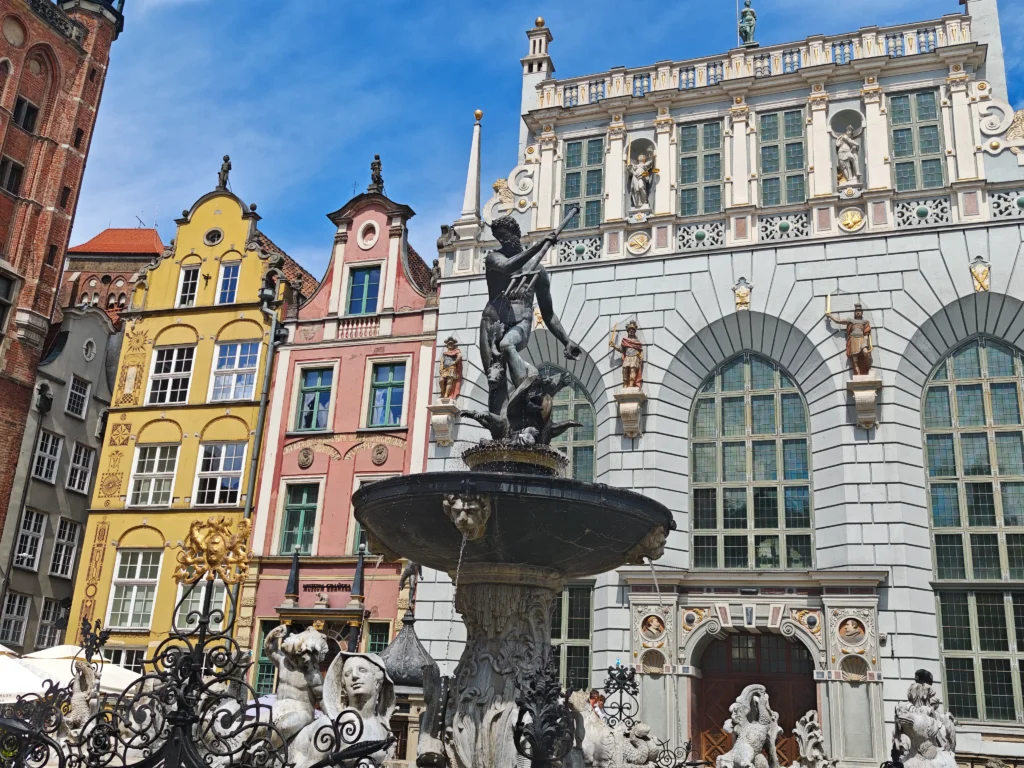
If you had asked me a few years ago to point to the most vibrant, architecturally stunning, and magical cities in Europe, I probably would have rattled off the usual suspects: Amsterdam, Copenhagen, or Bruges. But after spending three days exploring the cobblestone alleys of Gdańsk, I’m here to tell you that this northern Polish gem easily rivals them all.
Gdańsk often flies under the radar compared to Kraków or Warsaw, but trust me, it’s one of Poland’s best-kept secrets: a vibrant, walkable port city with stunning architecture, friendly vibes (once you get past the resting serious face), amazing food and that perfect mix of old-world charm and modern ease.
Whether you’re a history buff, a foodie chasing specialty coffee, or a solo traveler looking for a safe, lively spot, Gdańsk is one that is very worth visting. In this guide, I’m sharing everything I wish I’d known before my trip so you can hit the ground running.
Disclaimer: This post may contain affiliate links, which means I may earn a small commission if you make a purchase through them at absolutely no extra cost to you.
Why Gdańsk Deserves a Spot on Your Poland Itinerary: A True Hidden Gem
Gdańsk sits on the Baltic Sea in northern Poland, part of the Tricity area with Sopot and Gdynia. It’s a beautiful coastal city, with stunning architecture, colorful Hanseatic merchant houses, bustling marinas, and beaches just a short tram ride away.
For centuries, it was a powerhouse trading port in the Hanseatic League, making it one of the wealthiest cities in medieval Europe. Today, it’s beautifully rebuilt after the devastation of WWII, where the war’s first shots were fired. It’s a city that feels alive with history without being stuffy.
Here are some things you should know before your trip.
1. You Can Leave Your Cash at Home
Gdańsk is almost entirely cashless.
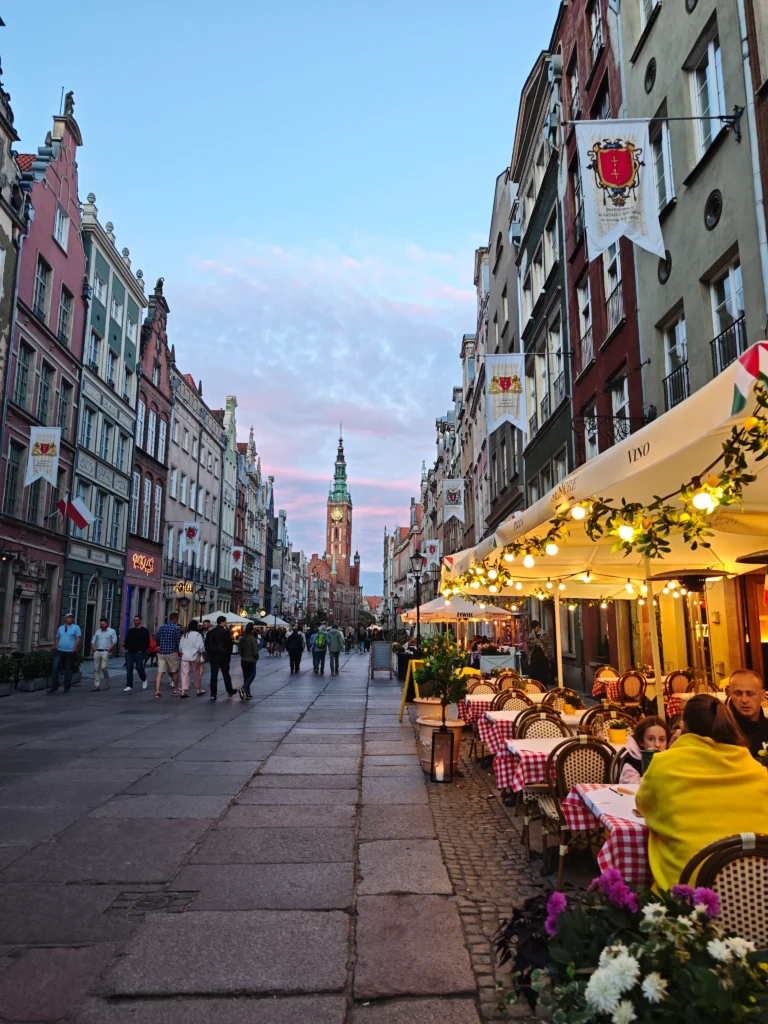
I spent three full days exploring the city and did not touch a single physical coin or paper Polish Złoty (PLN). From the tiniest souvenir stalls selling amber trinkets to massive supermarkets, high-end restaurants, and local tram stations, card readers are absolutely universal.
You can pay with your phone or contactless card for literally everything.
A Quick Tip on Saving on Exchange Fees: Do not let your home bank fleece you with terrible conversion rates. I highly recommend using a Wise multi-currency card while you’re here. The Wise app automatically detects that you’re paying in PLN and converts your funds instantly from your home currency using the real-time mid-market exchange rate. It is incredibly cheap, seamless, and saves you from carrying around a pocket full of heavy coins you’ll never use again.
2. Pack a Jacket: The Baltic Sea Can Get Chilly
If you look up Gdańsk on a map, you’ll notice it sits right on the Gulf of Gdańsk, feeding directly into the Baltic Sea. This unique northern geography has a massive influence on the local weather, and it means you need to pack very smartly.
It is milder than inland Poland but famously changeable and windy. Nights can cool down quickly, especially with those sea breezes. It’s often windy, particularly in the evenings, thanks to the temperature differences between land and sea creating those classic coastal winds.
When I visited during the first week of July, Gdańsk was a crisp, breezy 20°C (68°F) a strong breeze that made me glad I packed a thicker jacket. Jst the week before, temperature was pushing 40°C (104°F) with the heatwave from Europe.
What to Pack: Layers are your best friend. Even in summer, bring a light jacket or windbreaker, comfortable walking shoes (those cobblestones add up!), and a scarf or hat for breezy evenings. Rain can pop up anytime, so a compact umbrella or waterproof layer is smart. In winter, it’s properly cold and potentially snowy, so be sure to bundle up!
3. Gdańsk is More Touristy Than You’d Expect
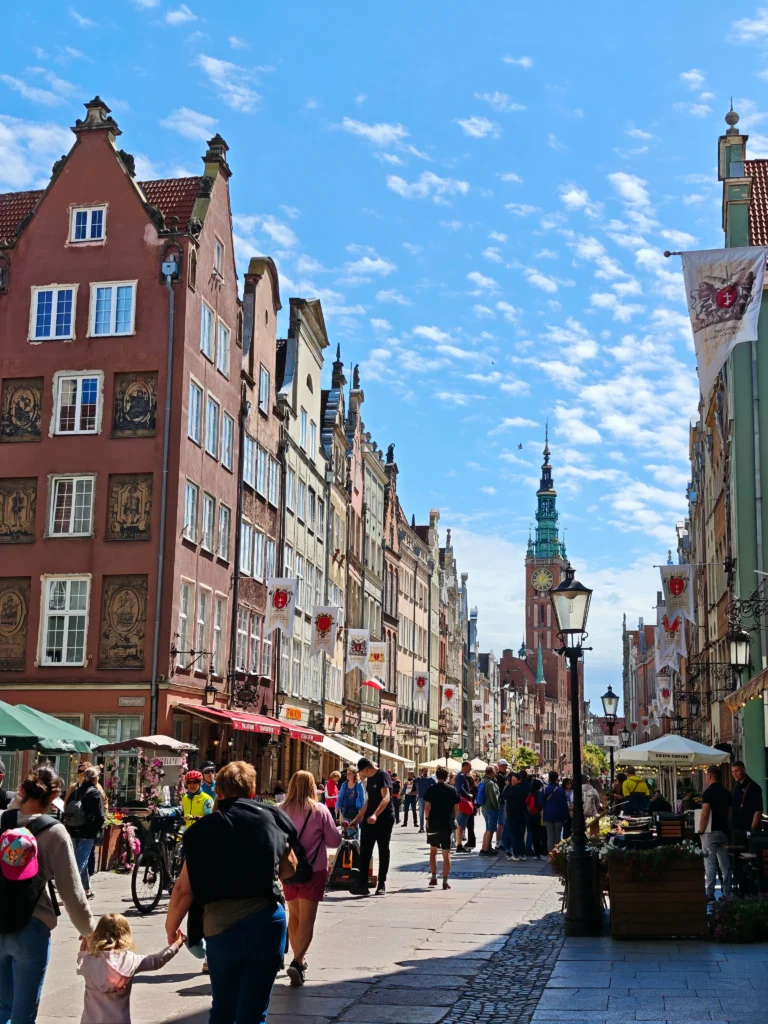
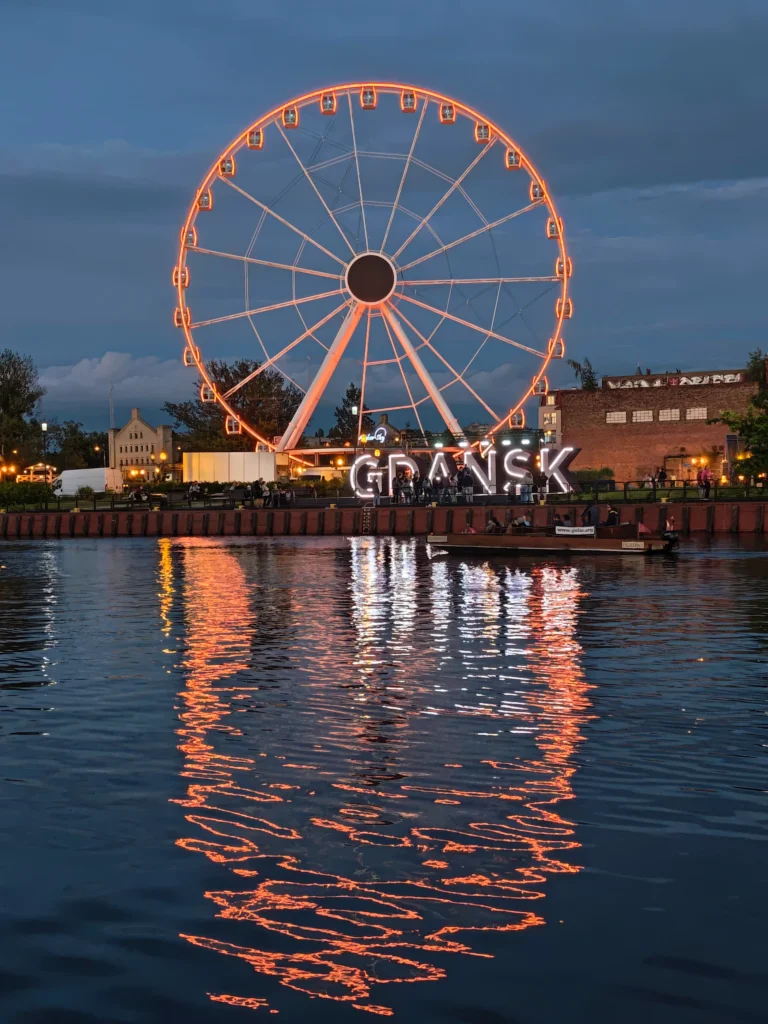
Don’t let the “hidden gem” label fool you. While many of my friends had barely heard of it, Gdańsk gets plenty of visitors, especially in summer. I saw big group tours from Germany, France, the UK, and beyond, which makes sense given the history and proximity.
The cruise ships dock in the morning and offload hundreds of passengers into the Old Town. Walking tours weave through Dluga Street with their matching umbrellas and large groups of trailing tourists.
You’re likely to hear more English (and German and French) than Polish in the main squares.
But here’s the thing: despite the crowds, Gdańsk never felt overwhelmed. The city absorbs visitors beautifully, and there’s always a quiet corner to discover if you venture just one street away from the main thoroughfares.
Watch Out for St. Dominic’s Fair (Jarmark św. Dominika)
If you want to avoid peak crowds, pay close attention to the calendar. Every year, from late July to mid-August, the city hosts St. Dominic’s Fair. It’s Poland’s oldest and largest open-air market, and it transforms the city into a buzzing fairground of artisans, performers, and traders. Founded in 1260, it fills the streets with stalls, food, music, and draws millions of visitors annually.
It is incredibly fun, but it is also the absolute busiest time of the year. Accommodation prices skyrocket and are booked out months in advance, and the streets are packed shoulder-to-shoulder.
If you love bustling festivals, you’ll adore it. If you prefer a bit of breathing room, visit during shoulder seasons (May-June or September) instead
4.The Specialty Coffee Scene is Genuinely World-Class
One of my absolute favorite surprises about Gdańsk was its thriving specialty coffee culture.
The city is absolutely teeming with beautiful, independently run coffee shops. And we aren’t just talking about great brews, either—the design of these spaces is absolutely gorgeous. Many of them feature gorgeous outdoor terraces and hidden courtyards where you can sit back and spend an afternoon just people watching and watching the world go by.
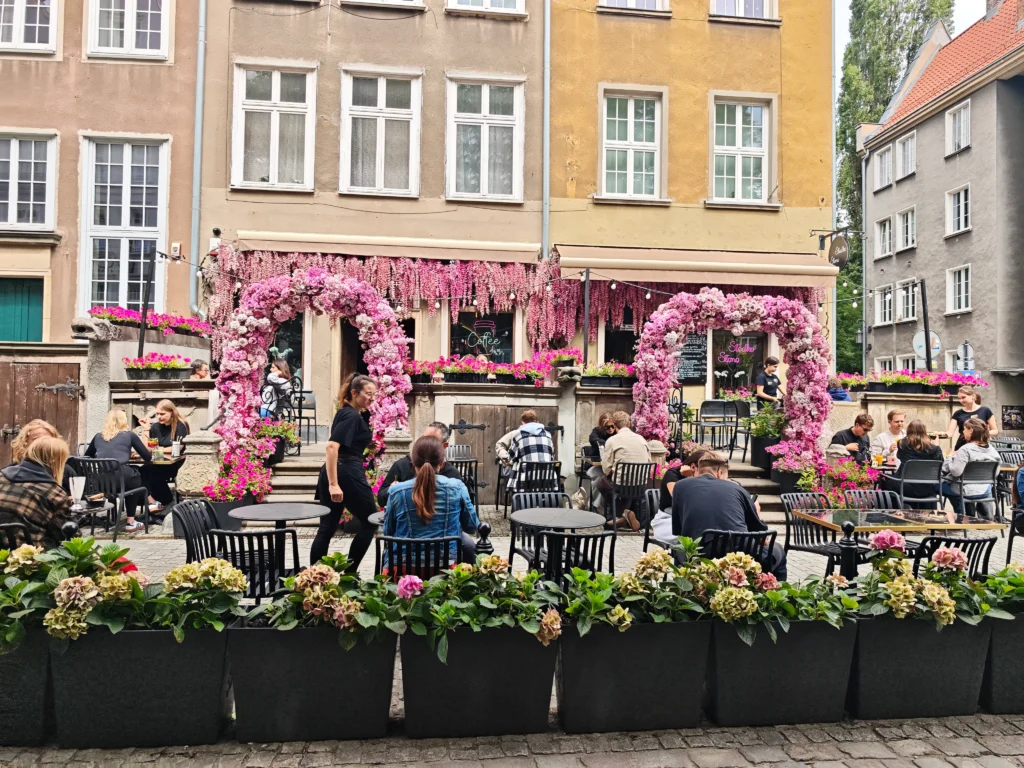
Some local favorites are Drukarnia Café and Cafe Kamienica located on the famous Mariacka Street.
5. Amber, Gold, and Gdańsk’s Hidden Gems
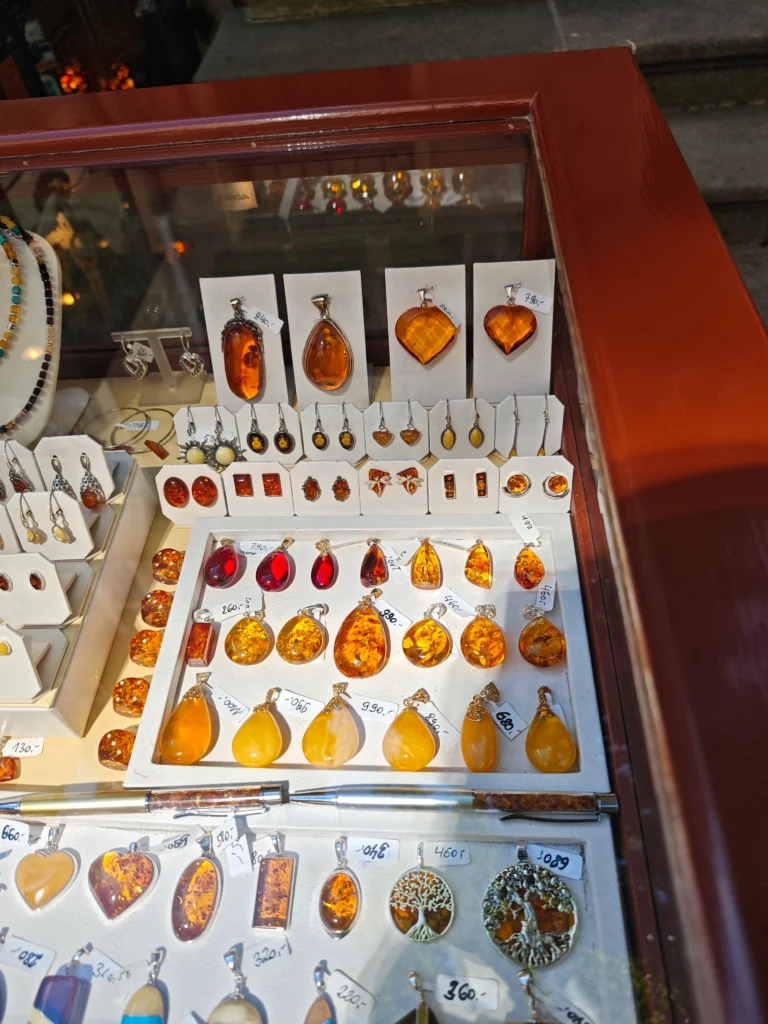
Gdańsk is the undisputed Baltic capital of Amber—fossilized tree resin that has been harvested along these shores for millennia.
Where to Buy Authentic Amber:
Skip the cheap, mass-produced stalls on the main tourist drags. Instead, head to the
boutique workshops along Mariacka Street. Look for certified shops displaying the
International Amber Association (Krajowa Izba Gospodarcza Bursztynu) seal to ensure
you are purchasing genuine Baltic amber, not plastic replicas!
Seeking Out Gdansk’s Hidden Gems
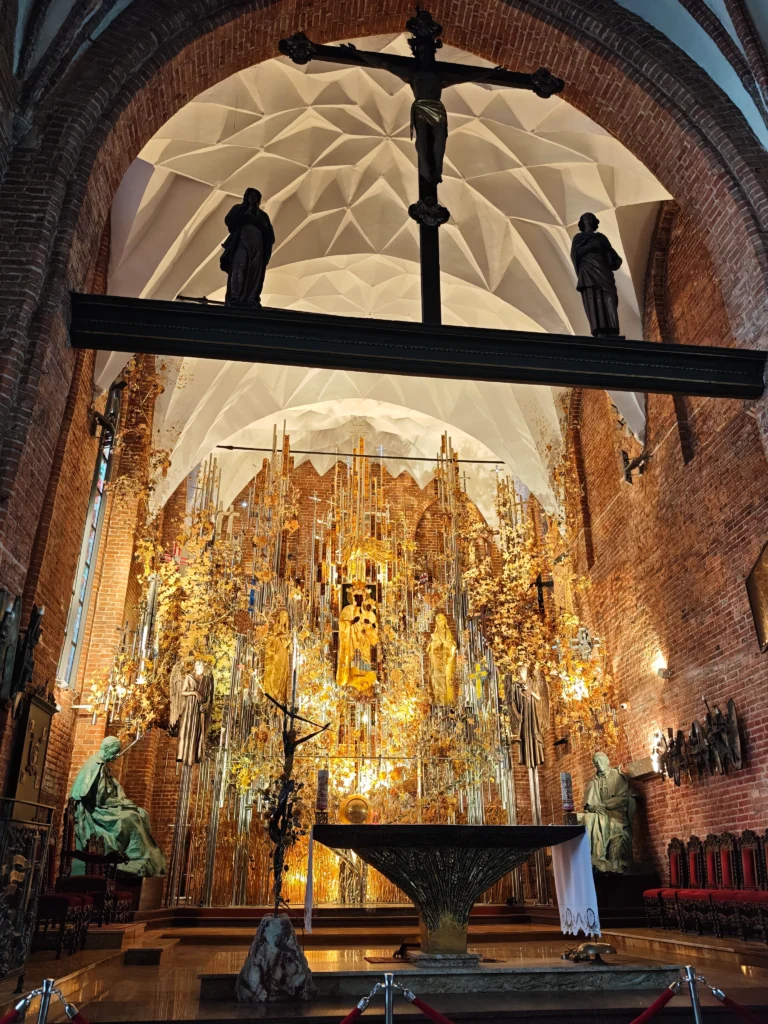
Gdansk is packed full of hidden delights that slowly unveil themselves as you wander around the city.
One of the best way to discover them is through a guided walking tour around the town. I highly recommend the Gdansk City Sights & History Guided Walking Tour in English.
The tour is delivered by a very knowledgeable local Polish guide and lasts almost 3 hours through the old town, providing tons of history and context to the beautiful architecture around the city.
He also provided us with many recommendations on secret hidden gems to visit in the city, including the breathtaking Merchant Room instide the Main Town Hall.
6. Public transport is cheap, but don’t forget to validate your ticket
Public transit in the Tricity area (which comprises Gdańsk, Sopot, and Gdynia) is incredibly cheap, clean, and efficient. Trams and buses run constantly, and they are by far the best way to get around.
You can get your tickets from the ticket machines that are around the city, or purchase one online ahead of time if you don’t want to waste time hunting one down.
I used the Jakdojade app which has route planning, real-time schedules and lets me buy tickets online easily.
Critical Reminder:
While the city has gone mostly digital with electronic ticketing, if you buy a paper ticket from a machine, you MUST validate it in the machine on board the vehicle. The validation machine stamps your ticket with the date and time, making it valid for the journey.
Why is this so important? Because the inspectors are serious about checking, and the fines are painful—around 600 PLN (roughly £120 or $150) for not having a validated ticket. I read horror stories on Reddit about tourists getting caught off guard with the expensive fine, and you don’t want to be one of them.
The inspectors don’t care if you’re a tourist, the rules apply to everyone.
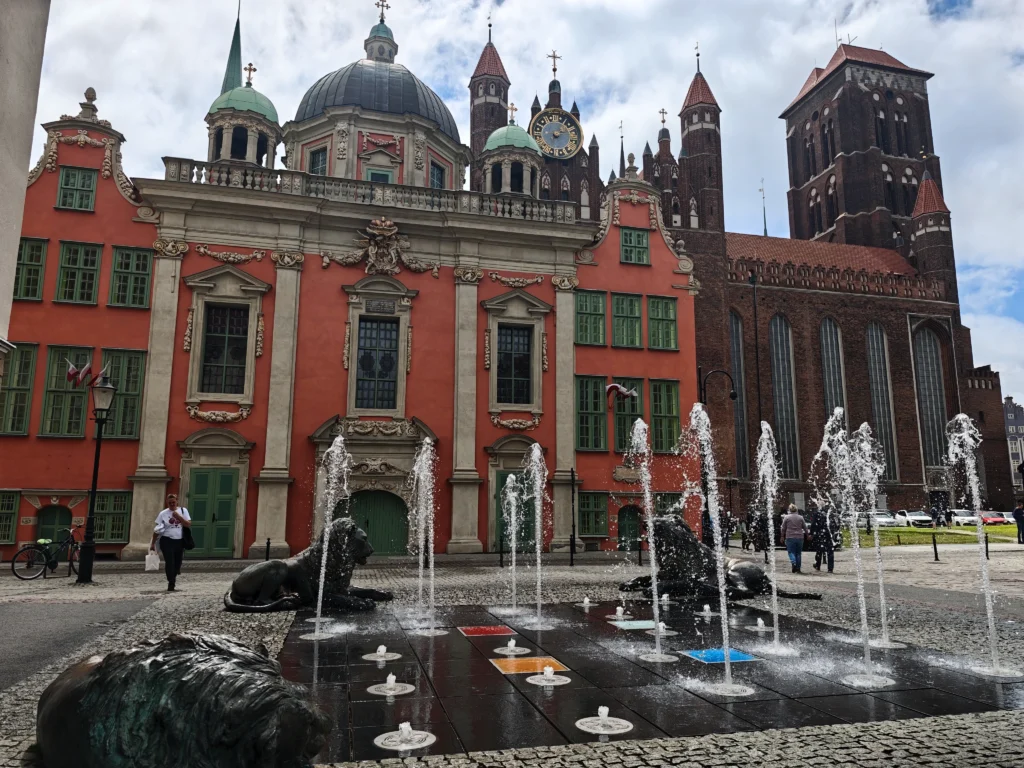
7. It is a City Steeped in Deep (and Turbulent) History
You cannot fully appreciate Gdańsk without understanding the incredible resilience of its past. This city has stood at the crossroads of European history for over a thousand years.
- The Hanseatic League: During the Middle Ages, Gdańsk was a wealthy, semi-autonomous port city and a key player in the Hanseatic trade network. Its strategic maritime position made it a melting pot of German, Dutch, Polish, and Scandinavian merchants.
- A Lingering German Influence: For long stretches of its history, the city was known as Danzig. In fact, during the interwar period when it was designated a “Free City,” over 90% of the population spoke German.
- The Spark of WWII: The very first shots of World War II were fired right here in Gdańsk, at the Westerplatte peninsula, on September 1, 1939.
- The Fight for Freedom: Decades later, Gdańsk became the birthplace of Solidarność (Solidarity)—the Soviet bloc’s first independent trade union, led by Lech Wałęsa. This peaceful shipyard movement ultimately catalyzed the collapse of communism across Eastern Europe.
I highly recommend carving out half a day to visit the Museum of the Second World War and the European Solidarity Centre. They are world-class museums that will lend you deeper appreciation for the beautiful city.
8. The Architecture Looks Polish, but It’s Secretly Dutch
As you stroll down Gdańsk’s historic core, you’ll probably find yourself marveling at how different it looks compared to the classic Gothic or Baroque styles of Kraków or Prague.
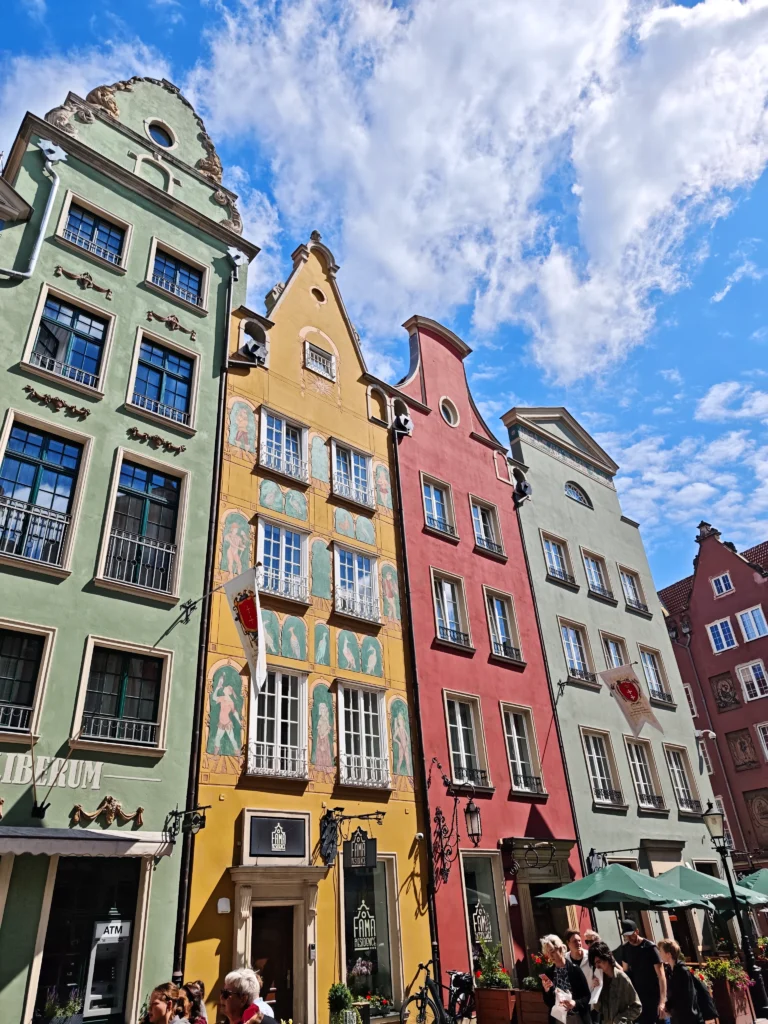
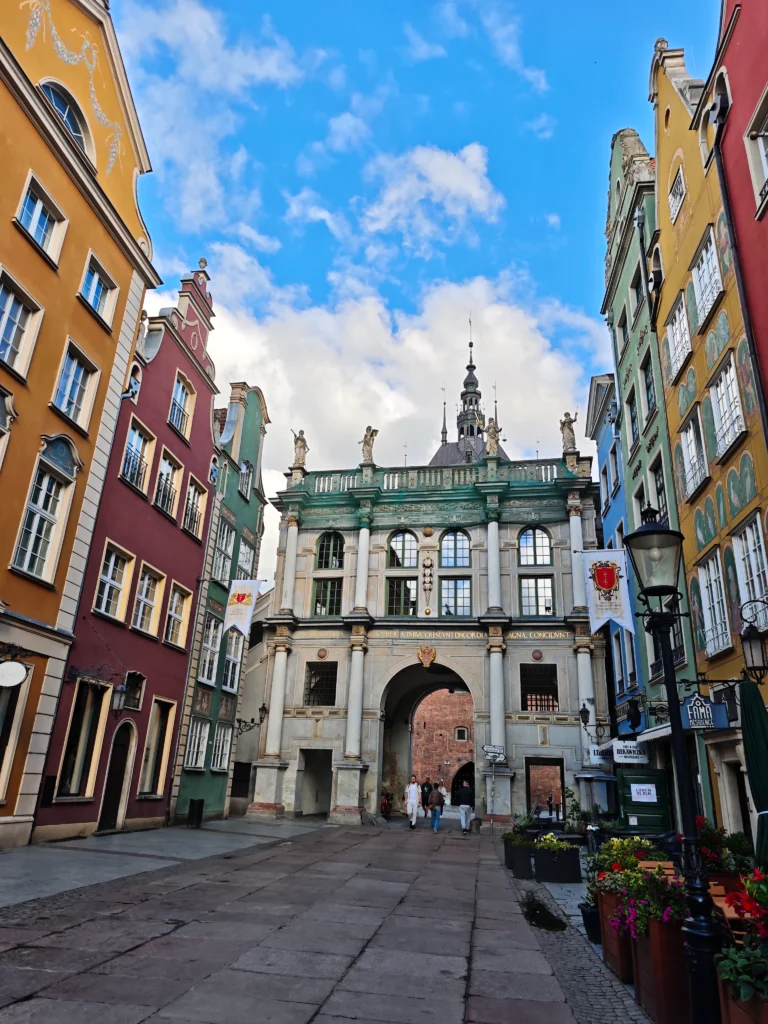
Because of its wealthy trading history, Gdańsk’s merchant class fell deeply in love with Dutch Renaissance and Flemish architecture. When the city was painstakingly rebuilt after being almost entirely flattened (nearly 90% destroyed) during World War II, architects consciously rejected Soviet and German designs, choosing instead to reconstruct the city using these stunning, colorful Dutch-inspired facades.
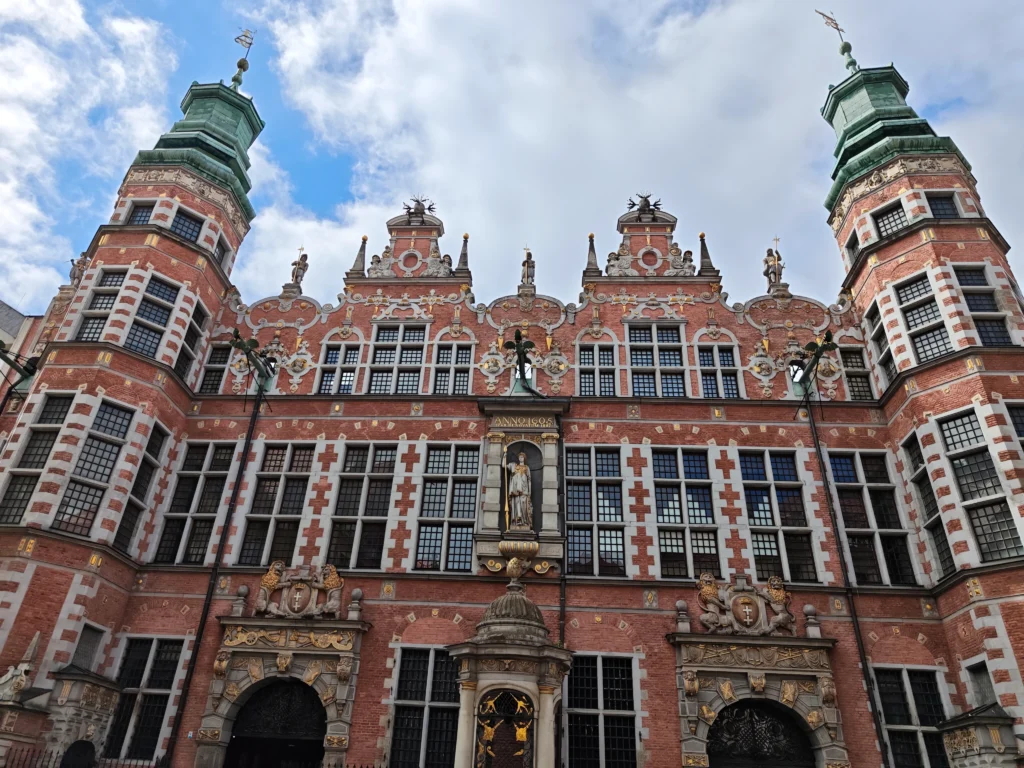
The Magic of Mariacka Street
If there is one street you absolutely cannot miss, it is Mariacka Street. Widely considered one of the most beautiful streets in Europe, it is famous for its cobblestones, gargoyle rain gutters, and incredibly unique terraces or “stoops” (raised stone platforms) leading into the buildings.
Historically, these raised porches served a dual purpose: they showcase the wealth of the merchant families and acted as a creative barrier to protect the ground floors from the frequent flooding of the nearby Motława River. Today, they are occupied by cozy cafes and local artists.
9. English is common — but don’t assume it everywhere
Because Gdansk is touristy, the big restaurants, hotels, and central attractions almost all have staff who speak English comfortably. But I was also surprised by how many locals I ran into who didn’t – the cashier at Zasbo, and even more memorably, the person staffing the information booth at the train station.
This isn’t a criticism—it’s simply a reminder that you’re in Poland, and Polish is the language of daily life.
At more traditional spots , for example milk bars – the old-school Polish canteens serving cheap, homestyle food — a English menu is not always available.
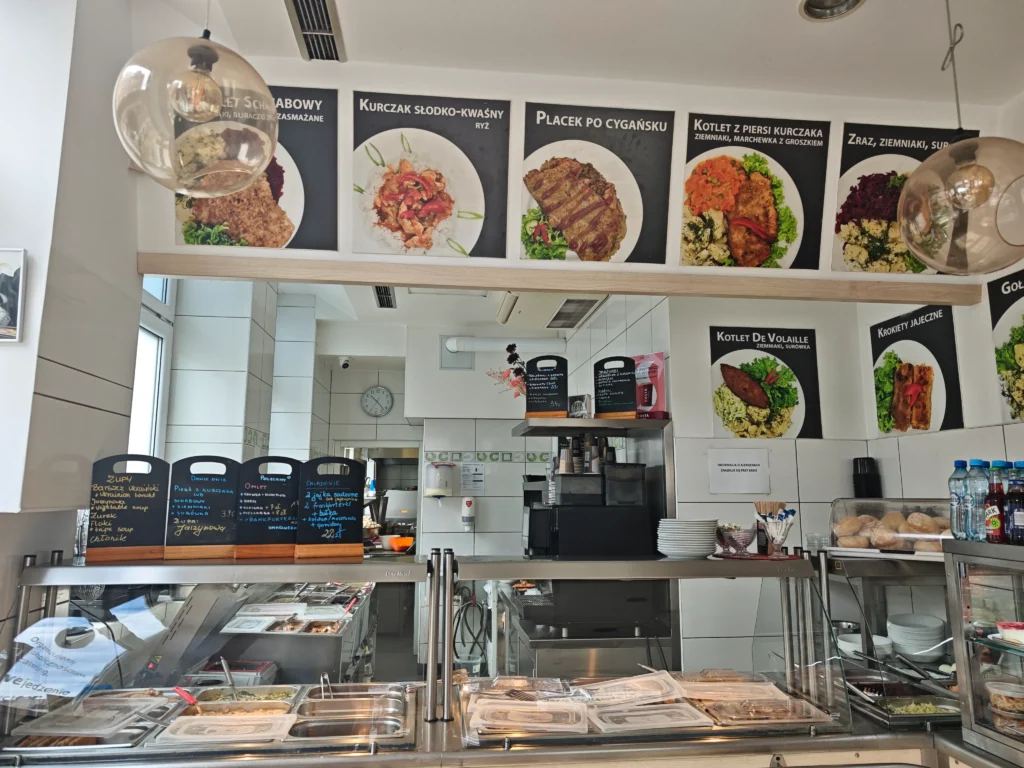
Download a translation app with a camera-scan feature before you go; it made ordering food so much less stressful. Also, learning a few Polish phrases —”Dzień dobry” (good day), “Proszę” (please), and “Dziękuję” (thank you) can come in handy.
10. The “Eastern European Face”
If you are coming from a culture where people smile and greet you on the street, you might initially find the locals in Gdańsk a bit reserved or solemn.
Don’t take it personally! Poles in general (and Gdańsk locals) can come across as serious or not overly smiley at first—that’s more of an Eastern/Central European cultural thing than rudeness. It doesn’t mean they are unhappy or don’t like you, it’s simply a cultural difference.
Once you engage with them, you’ll find that Polish people are incredibly warm, polite, and helpful.
In fact, my experience interacting with the locals has been that they are remarkably laid back. On the occasions where I tried to bend the rule slight by exiting an “employee only” exit, the staff has been lenient and chill.
11. Gdanks is very safe for Solo Female Travelers
As a solo female traveler, safety is incredibly important to me. Gdanks is truly a gem when it comes to that.
I felt incredibly safe walking around Gdańsk by myself, even late at night around 10 PM or 11 PM. The streets are beautifully lit, highly walkable, and remains very lively and family-friendly well into the night, especially the area around Old Town and the riverside.
Occasionally you might encounter a rowdier groups of British stag who have had one too many Polish beers, but they’re more of a noisy nuisance than an actual safety issue.
Still, it’s worth knowing so it doesn’t catch you off guard.
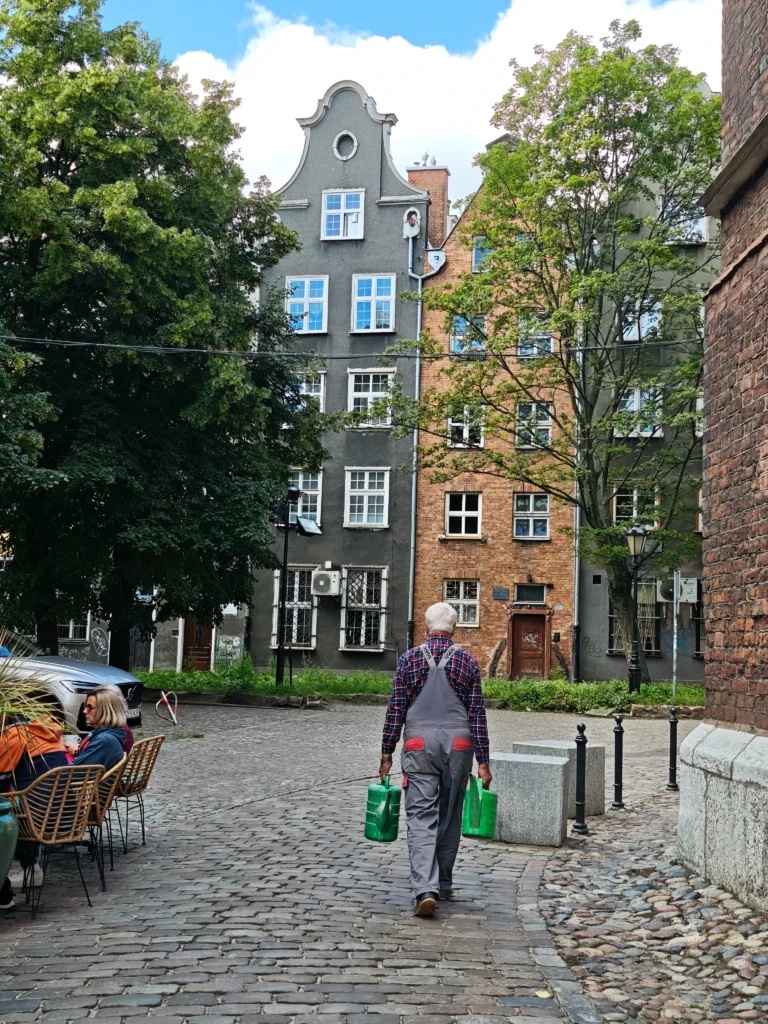
12. Gdansk is part of a Tricity
One of the best things about visiting Gdańsk is that you get the opportunity to explore three cities for the price of one!
Gdańsk is part of a unique urban trio known as the Tricity (Trójmiasto), which also includes Sopot and Gdynia. They sit side-by-side along the Gdańsk Bay and are seamlessly connected by a cheap, fast commuter train called the SKM.
Sopot: Breezy Beach Resort Town
If you want a change of pace, hop on the SKM train for just 20 minutes to reach Sopot.
It is Poland’s premier beach resort town, famous for its lively, upscale nightlife, the quirky “Crooked House” (Krzywy Domek), and Europe’s longest wooden pier, which stretches out into the Baltic Sea. It has a chic, breezy spa-town vibe that feels worlds apart from the historic, cobblestone streets of Gdańsk.
It is also known to be one of the greenest cities in Poland.
Gdynia: The Modern Port
A little further up the line is Gdynia, a modernist, 20th-century port city perfect for those who love maritime history, massive ships, and clean, mid-century architecture.
When I visited Gdansk in 2026, it turned out to be coincidentally 100 years anniversary of Gdynia.
Malbork Castle: A Leap Back in Time
If you have a free afternoon and want to step into a real-life medieval kingdom, take a quick 30-minute train south to Malbork. Here, you’ll find Malbork Castle, a UNESCO World Heritage site and the largest castle in the world by land area.
Built in the 13th century by the Teutonic Knights, this colossal red-brick fortress is absolutely jaw-dropping and makes for an unforgettable half-day adventure.
A Few Final Observations
Two final things stood out to me during my time in this beautiful coastal city:
- It is impeccably clean. Even with the heavy summer tourist crowds, you will barely see a piece of litter on the ground. The city takes massive pride in keeping its historic spaces pristine.
- It is incredibly green. Gdańsk is bursting with natural life. Everywhere you look, the city is decorated with a vibrant, lush variety of public flower beds, hanging planters, and gorgeous pocket parks.
I was genuinely surprised by the variety of plants and flowers I encountered during my casual stroll around town. The whole city feels like a giant botanical garden !
Gdańsk stole my heart with its blend of history, beauty, and laid-back coastal charm. It’s the kind of place where you can easily spend a week exploring without running out of things to do.
I highly recommend adding this hidden gem to your Poland itinerary.
If you go, drop me a message in the comments – I’d love to hear your stories!
Sophie is a Singaporean traveler and travel writer who has spent the past decade living across continents. Her previous career in tech took her from Sydney and San Francisco to Europe, where she spent the last five years living in Paris and the Netherlands.
Today, she writes about the art of slowing down. Sophie believes the best way to understand a destination is to stay a little longer, wander without a map, and let the authentic character of the place unveil itself naturally.