
If you’ve ever dreamed of walking through the halls of Hogwarts, you might be surprised to learn that you don’t have to travel to a film studio to experience a little movie magic. Tucked away in the Wiltshire countryside lies the picturesque village of Lacock, one of England’s most beautifully preserved medieval villages and home to some of the most iconic Harry Potter filming locations.
This tiny, impossibly scenic village feels like it was frozen in time somewhere around 1750. There are no visible TV aerials, no yellow road lines, and no modern overhead cables dangling across the timber-framed cottages. It is so extraordinarily preserved that the National Trust owns almost the entire village.
Whether you’re a lifelong Potterhead or simply someone who loves discovering beautiful English villages, Lacock is absolutely worth adding to your itinerary. In this guide, I’ll show you every Harry Potter filming location in Lacock, share practical visiting tips, and explain why this charming village deserves much more than a quick photo stop.
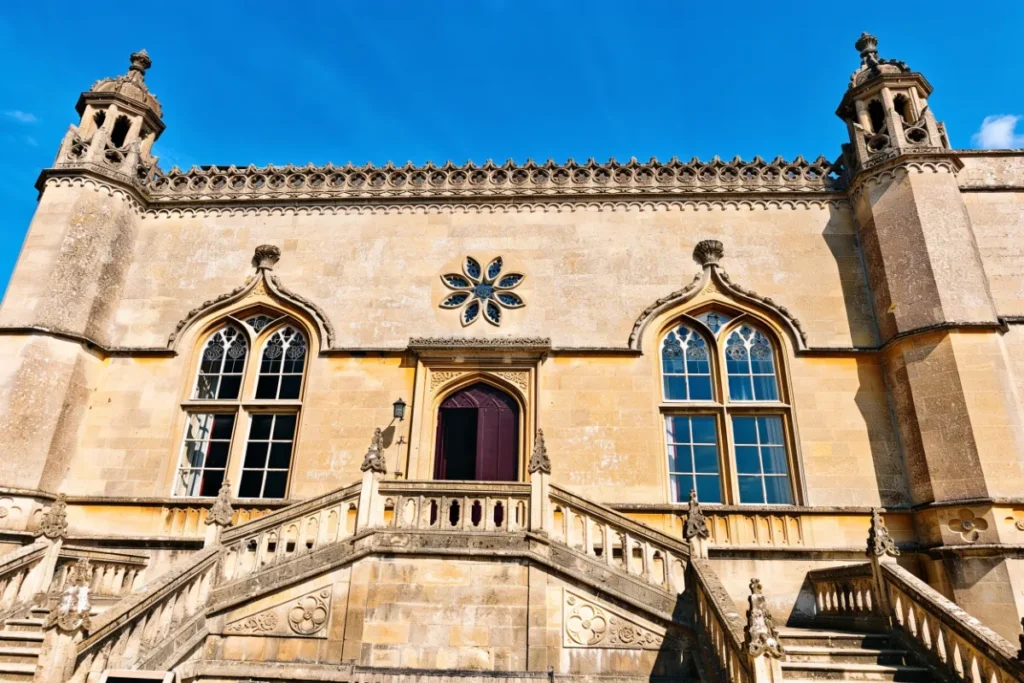
Part 1: Lacock Abbey – Walking the Corridors of Hogwarts
Let’s start with the crown jewel of Lacock: Lacock Abbey. Founded in 1229 as an Augustinian nunnery, this breathtaking building was later converted into a private country house following the Dissolution of the Monasteries under Henry VIII.
When location scouts were searching for real-world historic sites to represent Hogwarts for Harry Potter and the Philosopher’s Stone (2001) and Harry Potter and the Chamber of Secrets (2002), Lacock Abbey was an abosolute treasure that slipped into place naturally.
The moment you step into the medieval monastic core of the abbey, your heart will skip a beat. It’s every bit as magical in person as it looks on screen.
Here are the exact rooms and hallways inside Lacock Abbey that you must visit:
1. The Cloisters (The Hogwarts Corridors)
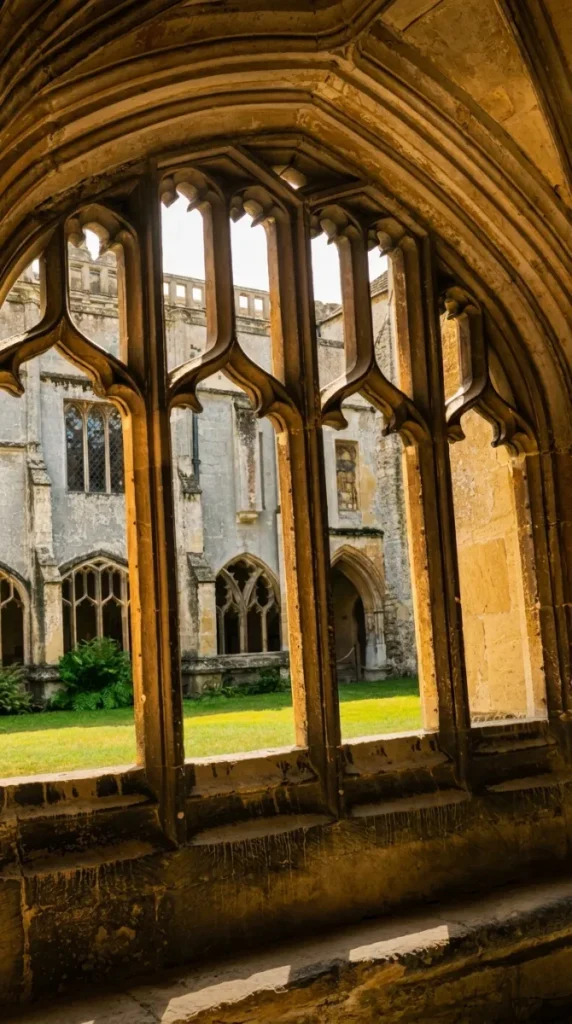
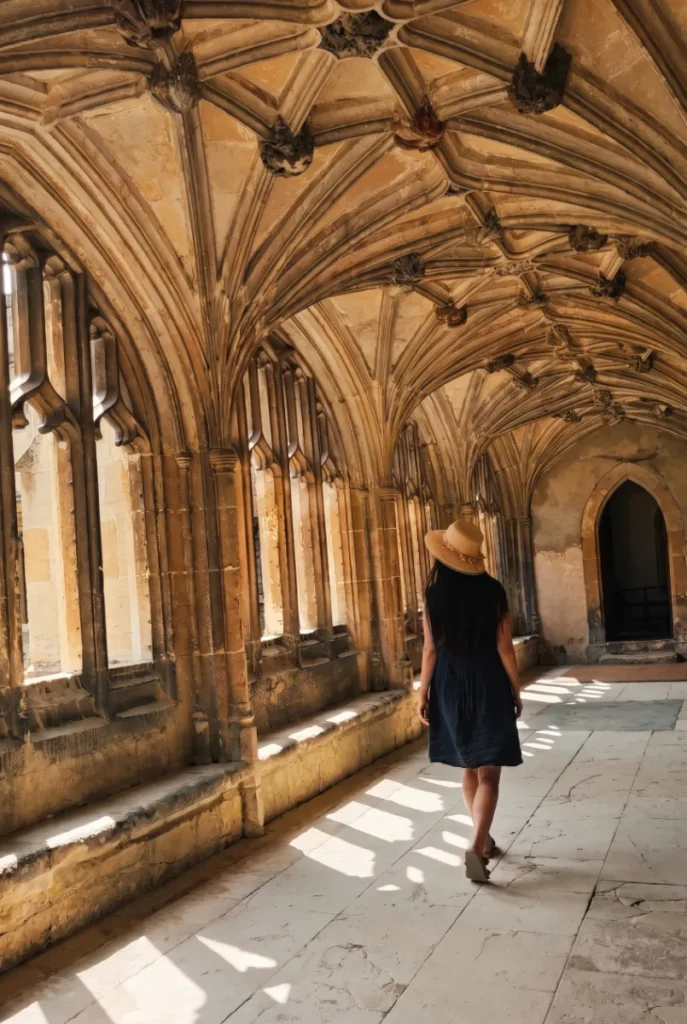
The moment you step beneath the fan-vaulted stone arches of the Lacock Abbey Cloisters, you will immediately recognize them as the interior hallways of Hogwarts. Sunlight streams through the tracery windows, casting long, geometric shadows across the worn stone floor.
This space was used repeatedly throughout the first two films:
- The Invisibility Cloak Walk: Remember in Philosopher’s Stone when Harry sneaks out of the Restricted Section of the library under his brand-new Invisibility Cloak, holding a flickering lantern? He walks down these exact vaulted corridors, trying to avoid Filch and Mrs. Norris.
- Quidditch Introduction: In the same film, Professor McGonagall leads Harry down this hallway to introduce him to Oliver Wood, declaring that she has found Hogwarts’ new Seeker.
- Chamber of Secrets Whispers: In the second movie, Harry wanders these corridors while hearing the chilling, sibilant voice of the Basilisk whispering from within the walls (“Come… come to me…“).
- Fantastic Beasts Return: Decades later, directors brought cameras back to these exact cloisters for Fantastic Beasts: The Crimes of Grindelwald (2018) for flashback scenes featuring a young Leta Lestrange and Newt Scamander.
Tip: Visit either right when the abbey opens at 10:00 AM or late in the afternoon just before it closes at 4.30pm. Midday brings tour groups, but if you arrive early, you can capture a photo of the long corridor completely empty—making it look as though you’ve stepped straight into a film frame.
2. The Sacristy (Professor Snape’s Potions Classroom)
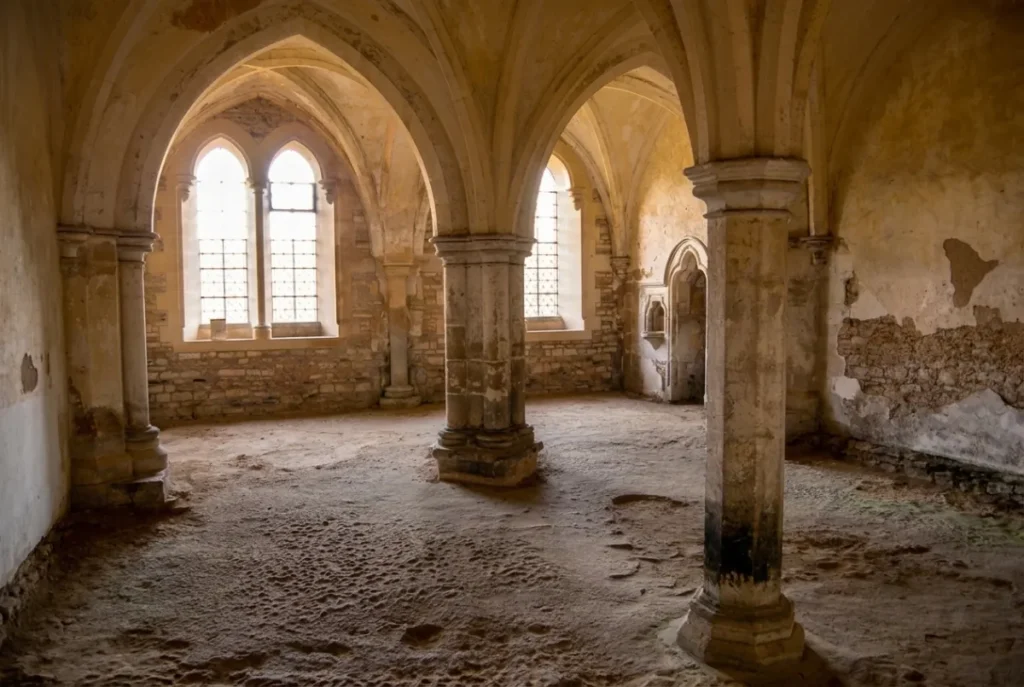
Off the main cloister hallway lies a dark, moody stone chamber known historically as The Sacristy. In Harry Potter and the Philosopher’s Stone, this small room became Professor Severus Snape’s gloomy dungeon classroom for Potions.
This is where Alan Rickman delivered one of the most iconic monologues in cinema history:
“There will be no foolish wand-waving or silly incantations in this class. I don’t expect many of you to appreciate the subtle science and exact art that is potion-making… I can teach you how to bottle fame, brew glory, even stopper death.”
When filming took place here, the set dressers covered the leaded glass windows to block out sunlight, giving the room its cold, subterranean dungeon feel. They packed the stone alcoves with hundreds of glass jars filled with strange herbs, preserved animal parts, and murky liquids.
Today, the room is kept brightly lit so you can appreciate its delicate 13th-century stone carvings, but if you peer through the archway, you can easily picture young Harry, Ron, and Hermione huddled over bubbling brass cauldrons while Snape swoops past in his black robes.
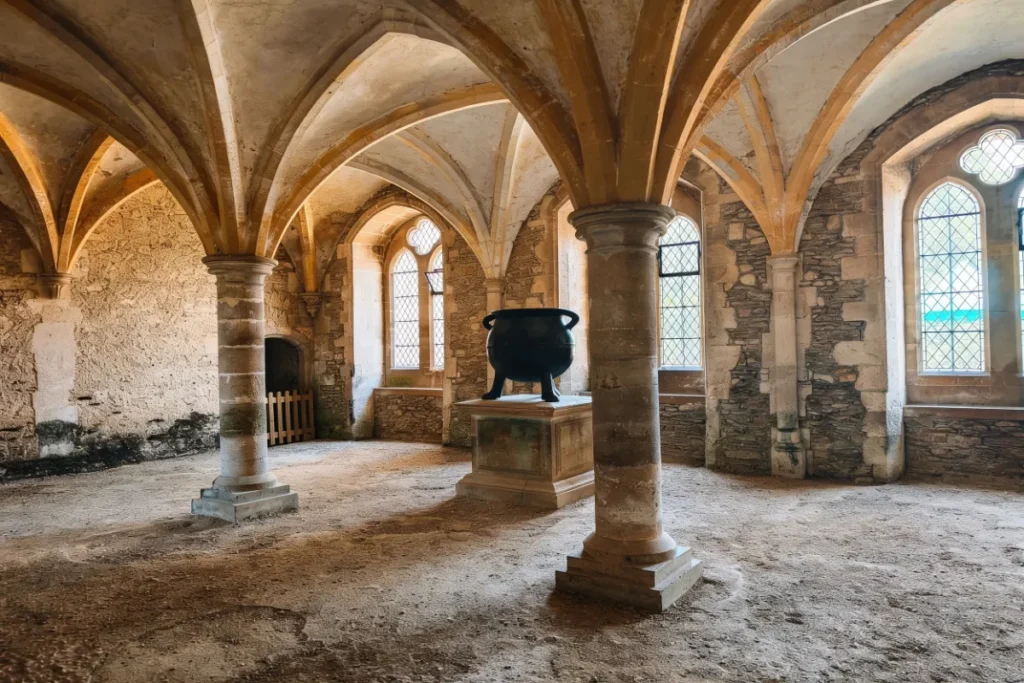
3. The Warming Room (Professor Quirrell’s Defence Against the Dark Arts Class)
Right down the cloister from the Sacristy is The Warming Room. Historically, this was one of the few rooms in the medieval monastery where a fire was permitted during the freezing winter months, allowing the nuns to warm themselves.
In Philosopher’s Stone, this room served as Professor Quirrell’s Defence Against the Dark Arts classroom.
The most fascinating detail in this room is the enormous, authentic medieval cauldron sitting right in the center of the floor! Many visitors assume this was a prop left behind by the Warner Bros. art department, but it is actually a historical artifact! Known as the “Lacock Cauldron,” it was cast in 1500 by Peter van den Ghein.
Film director Chris Columbus loved the cauldron so much that he incorporated it directly into the scene where Professor Quirrell sits nervously beside it while holding a live iguana during his lesson!
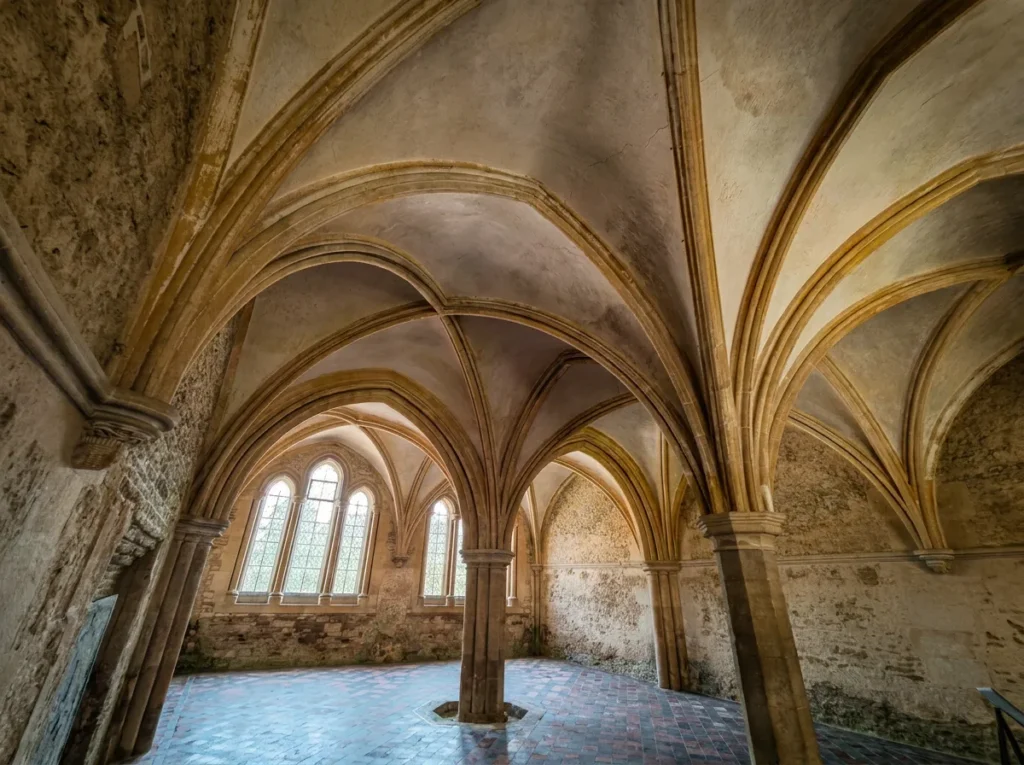
4. The Chapter House (The Mirror of Erised & Study Hall)
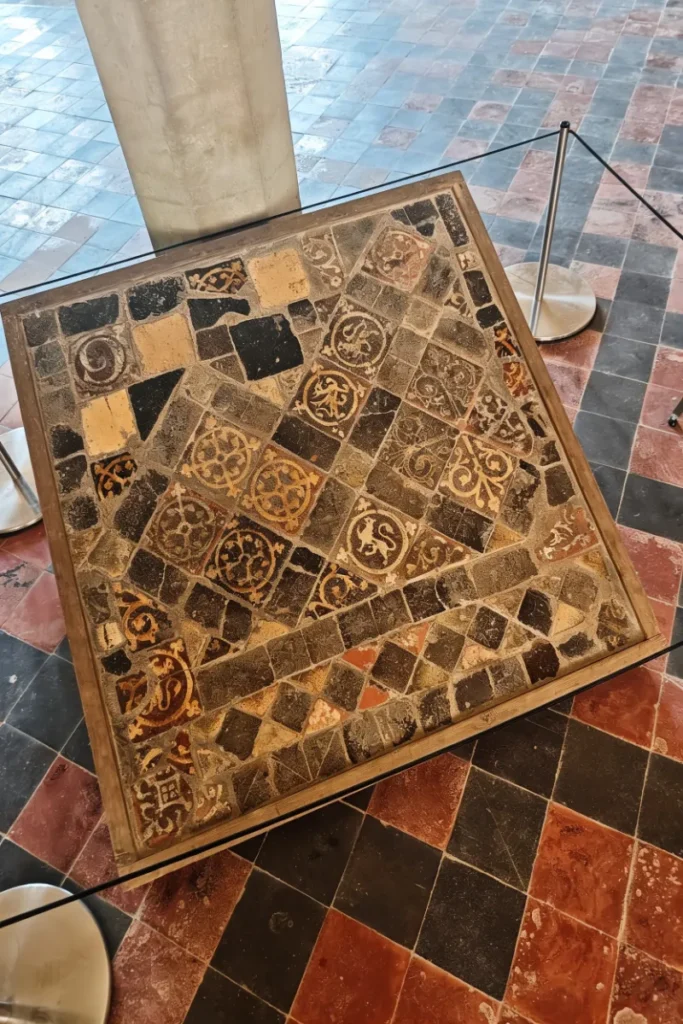
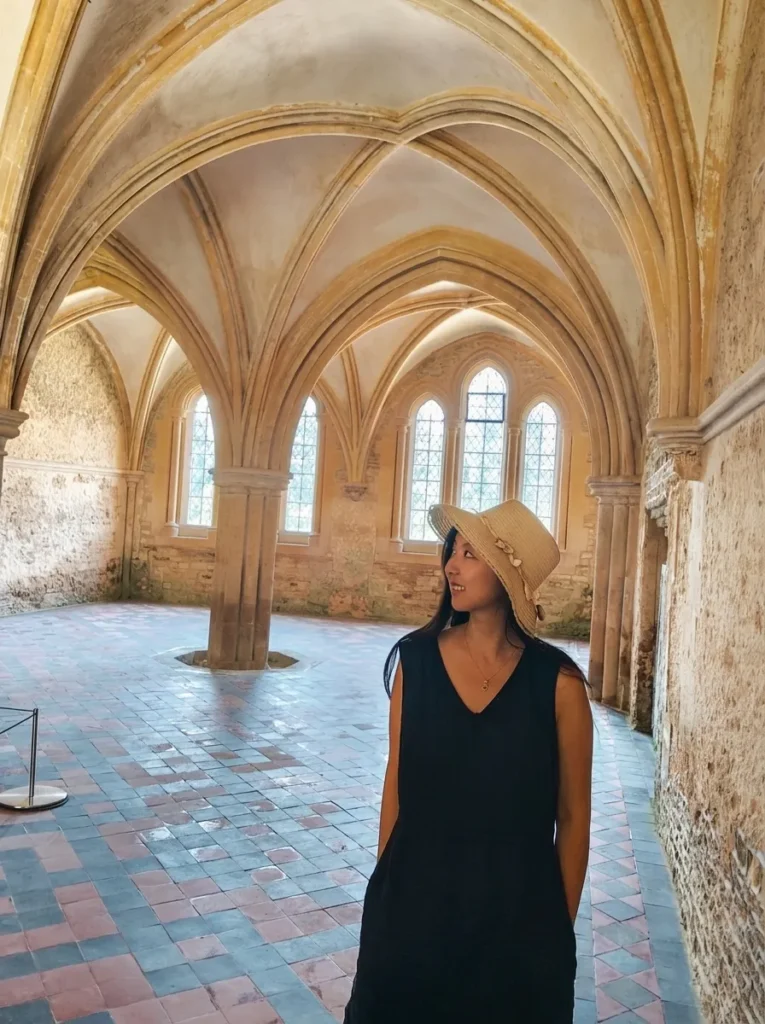
If I had to choose a single favorite room inside Lacock Abbey, it would be The Chapter House. Featuring beautiful vaulted stone ceilings supported by delicate fluted columns and a distinct tiled floor, this room hosted two crucial scenes across the first two movies:
- The Mirror of Erised (Philosopher’s Stone): This is the room where Harry discovers the mystical Mirror of Erised while wandering under his Invisibility Cloak late at night. He gazes into the glass and sees his parents, James and Lily, standing behind him for the very first time. Later in the film, Professor Dumbledore sits on a bench in this exact room to deliver his gentle advice: “It does not do to dwell on dreams and forget to live.”
- Hogwarts Revision Scene (Chamber of Secrets): In the second movie, the room is transformed into a bustling study hall. You see students sitting at long wooden tables with quills and parchment, practicing spells while discussing rumors about the Heir of Slytherin and Harry speaking Parseltongue.
Part 2: Lacock Village – Budleigh Babberton & Godric’s Hollow
Once you have explored every nook and cranny of the Abbey, walk out onto the quiet, timber-framed streets of Lacock Village.
Because the entire village lacks modern features like overhead telephone wires or satellite dishes, it required almost zero digital cleanup to transform into magical locations for Harry Potter and the Half-Blood Prince (2009).
Here is where to find the film locations scattered across the village streets:
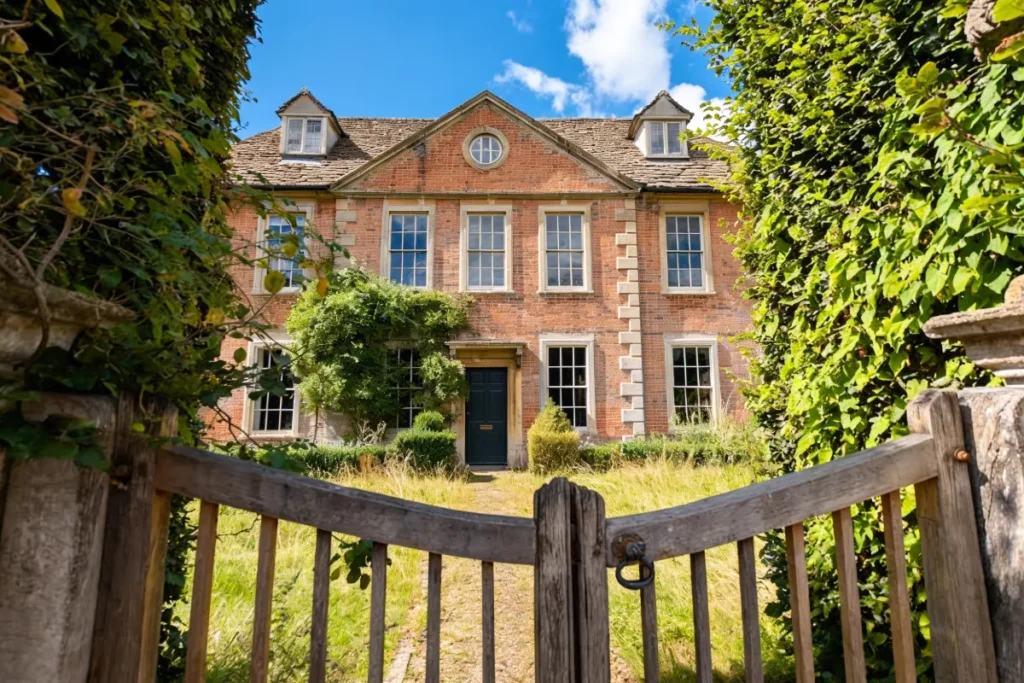
5. Horace Slughorn’s Hideaway (Budleigh Babberton)
In Harry Potter and the Half-Blood Prince, Albus Dumbledore brings Harry to the sleepy, fictional muggle village of Budleigh Babberton to recruit former professor Horace Slughorn out of retirement.
To find Slughorn’s hiding place in real life, head to Church Hill. Positioned behind high stone walls and double gates sits a magnificent three-story stone and red-brick property. Unlike many of the yellow-toned Cotswold stone cottages surrounding it, this grand house stands out instantly.
In the film, Slughorn has broken into this empty muggle residence while the owners are away in the Canary Islands. He disguised himself as a plush armchair to hide from Death Eaters.
Unfortunately, as it is a private residence you are unable to enter. However, you can stand right on the public footpath outside the front gate where Dumbledore and Harry walk up the stone path for a perfect photo op !
Please Note: Slughorn’s hideaway is a private residential home! While you are welcome to take photos from the public road, please respect the owners’ privacy and do not climb over gates or trespass on the property.
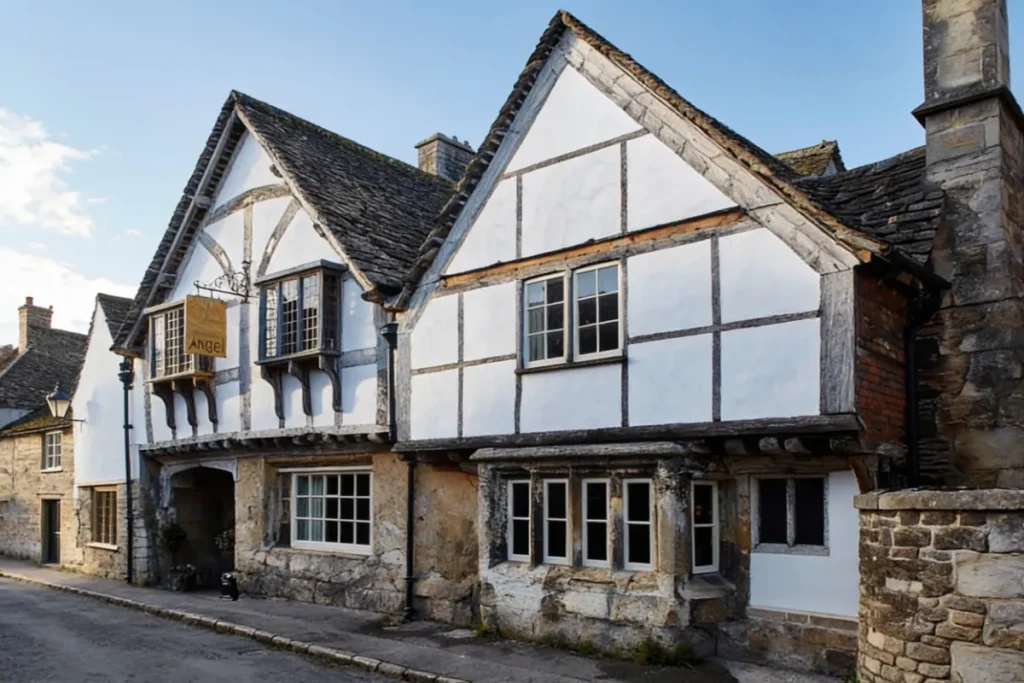
6. The Babberton Arms (Sign of the Angel Pub)
After successfully persuading Horace Slughorn to return to Hogwarts, Dumbledore and Harry walk down the dark, lantern-lit streets of Budleigh Babberton.
As they stroll through the night, they pass a traditional pub sign reading The Babberton Arms. In real life, this historic timber-framed building on Church Street is the Sign of the Angel, an ancient 15th-century inn and restaurant
During filming in late 2007, production crews spent weeks darkening the village streets, installing temporary street lamps, and placing a mock war memorial at the end of Church Street to create the eerie ambiance of a nighttime muggle village.
Today, the Sign of the Angel is one of the best places in Lacock to sit down for a traditional British Sunday roast or a cozy cup of tea next to an open log fire.
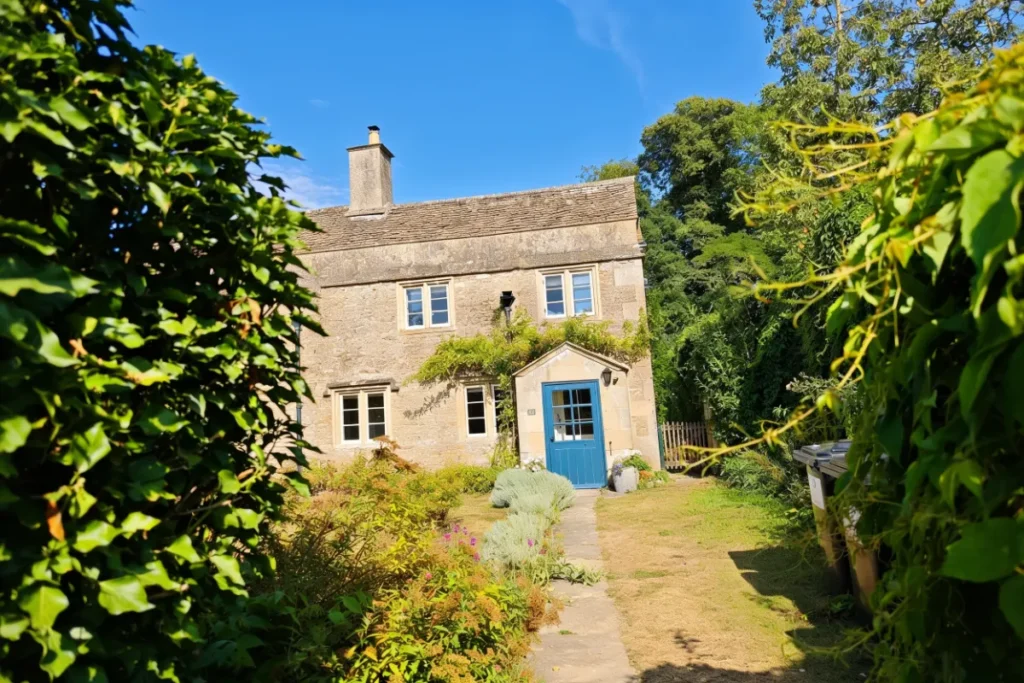
7. Lily and James Potter’s House (Godric’s Hollow)
Long before Godric’s Hollow was expanded in Harry Potter and the Deathly Hallows, we got our very first glimpse of Harry’s birthplace in Harry Potter and the Philosopher’s Stone.
During a flashback scene where Hagrid explains to Harry what happened to his parents, we see Lord Voldemort arriving in Godric’s Hollow on Halloween night 1981. He walks up to a modest stone cottage, blast open the door, and strikes down James and Lily Potter.
You can see the exterior of The Potter’s House at the end of Church Street, located near St Cyriac’s Church and the Lacock Pottery studio.
While the property is a private home (and the front door color occasionally changes over time), the stone porch and timber framing remain instantly recognizable. Standing on the pavement in front of this cottage brings a quiet satisfaction to any true Potterheads.
🗺️ Quick Summary: Lacock Filming Location Cheat Sheet
To keep your self-guided walking tour organized, here is a breakdown of every scene, its real-life location, and where to find it:
| Movie | Scene Description | Real-Life Location in Lacock | What to Look For |
| Philosopher’s Stone | Hogwarts Corridors & Invisibility Cloak scene | Lacock Abbey Cloisters | Vaulted stone archways & tracery windows |
| Philosopher’s Stone | Snape’s Potions Class (“I can teach you to bottle fame…”) | Lacock Abbey – The Sacristy | Moody stone archway & dark alcoves |
| Philosopher’s Stone | Quirrell’s Defence Against the Dark Arts Class | Lacock Abbey – The Warming Room | The massive authentic 1500s bronze cauldron |
| Philosopher’s Stone | Harry discovers the Mirror of Erised | Lacock Abbey – Chapter House | Central columns & checkered floor |
| Chamber of Secrets | Students revising and discussing Parseltongue | Lacock Abbey – Chapter House | Vaulted ceilings & stone benching |
| Half-Blood Prince | Horace Slughorn’s Muggle Hideaway | Church Hill, Lacock Village | 3-story stone & brick home with gated entrance |
| Half-Blood Prince | Dumbledore & Harry walk through Budleigh Babberton | Sign of the Angel Pub (Church St) | Historic timber-framed inn |
| Philosopher’s Stone | Voldemort arrives at Lily & James Potter’s House | End of Church Street near St Cyriac’s | Picturesque stone cottage with timber porch |
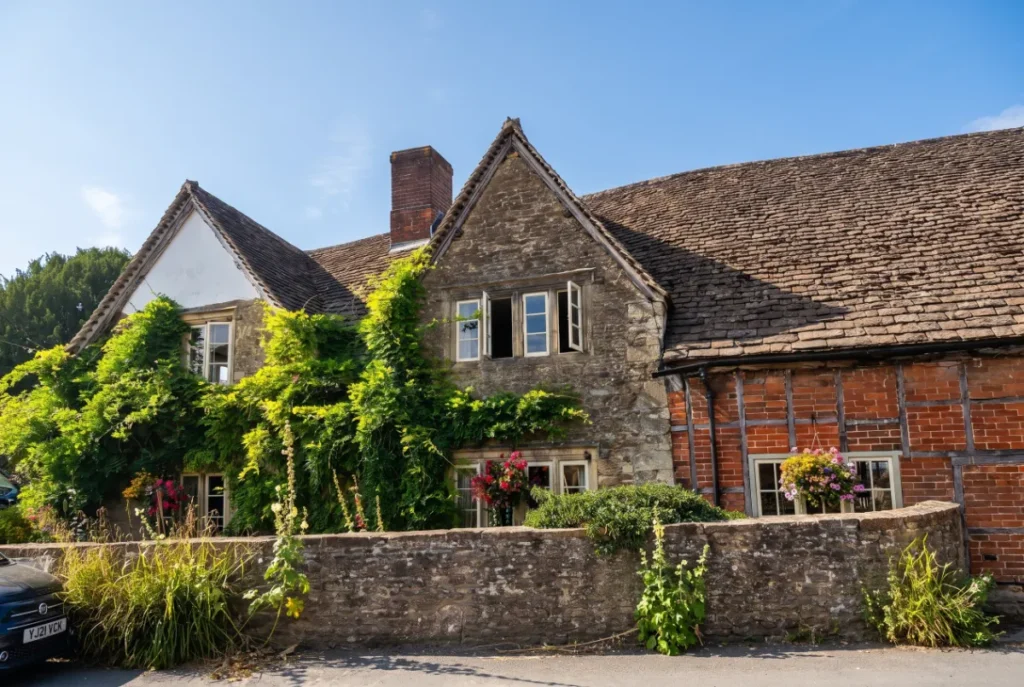
Part 3: Essential Practical Information for Your Visit
Planning a day trip to Lacock is delightfully straightforward, but a few practical tips will make your journey smooth and stress-free.
How to Get to Lacock
Lacock is located in Wiltshire, South West England, roughly 3 miles from Chippenham and 13 miles east of Bath.
- By Car (Recommended): Driving is the easiest way to reach Lacock. From London, take the M4 motorway west toward Junction 17, then follow the A350 south toward Chippenham and Lacock. The drive takes about 2 hours from London, or 35–40 minutes from Bath.
- Parking: Set your GPS to the National Trust Lacock Car Park (Postcode:
SN15 2LQ). Parking is free for National Trust members, or around £5–£6 for non-members for the whole day. From the car park, it is a pleasant 2-minute walk into the village center. - By Public Transport: Take a direct GWR train from London Paddington to Chippenham Station (takes roughly 1 hour and 10 minutes). It is an easy 25 minutes from Bristol, UK’s most underrated city.
- From Chippenham, you can catch the local #68 bus directly to Lacock Village in under 15 minutes, or take a quick 10-minute taxi.
Tickets & National Trust Opening Times
- Lacock Village: Accessing the village streets, Church Street, Slughorn’s house, and the Potter cottage is 100% free and accessible 24/7 year-round.
- Lacock Abbey: The Abbey and its surrounding grounds are managed by the National Trust.
- Admission Cost: Entry to the Abbey, Cloisters, Fox Talbot Museum, and grounds costs around £20.00 – £22.00 per adult (includes Gift Aid).
- National Trust Members: Entry is completely FREE if you hold a valid National Trust or English Heritage reciprocal membership!
- Opening Hours: The Abbey grounds and Cloisters are generally open daily from 10:00 AM to 5:00 PM (with slightly shorter hours in winter).
Part 4: Beyond Harry Potter – Other Cool Things to Do in Lacock
While you might be coming primarily for the wizarding magic, Lacock is packed with history and charm that deserves a slow, relaxed exploration. Here are three non-Potter stops you shouldn’t miss:
1. The Fox Talbot Museum (The Birthplace of Photography!)
Did you know that Lacock Abbey is literally where modern photography was invented?
In 1835, William Henry Fox Talbot, a polymath who lived at Lacock Abbey, created the world’s very first photographic negative right inside the abbey windows! You can visit the fascinating Fox Talbot Museum located at the entrance to the Abbey grounds to see early camera prototypes, historic prints, and rotating photography exhibits.
2. Grab Fresh Pastries at Lacock Bakery
No day trip is complete without baked goods. Head to The Lacock Bakery on Church Street, a historic bakery that has been serving the village for generations. Grab a fresh warm Cornish pasty, a buttery sausage roll, or a slice of handmade cake to eat while wandering the village streets.
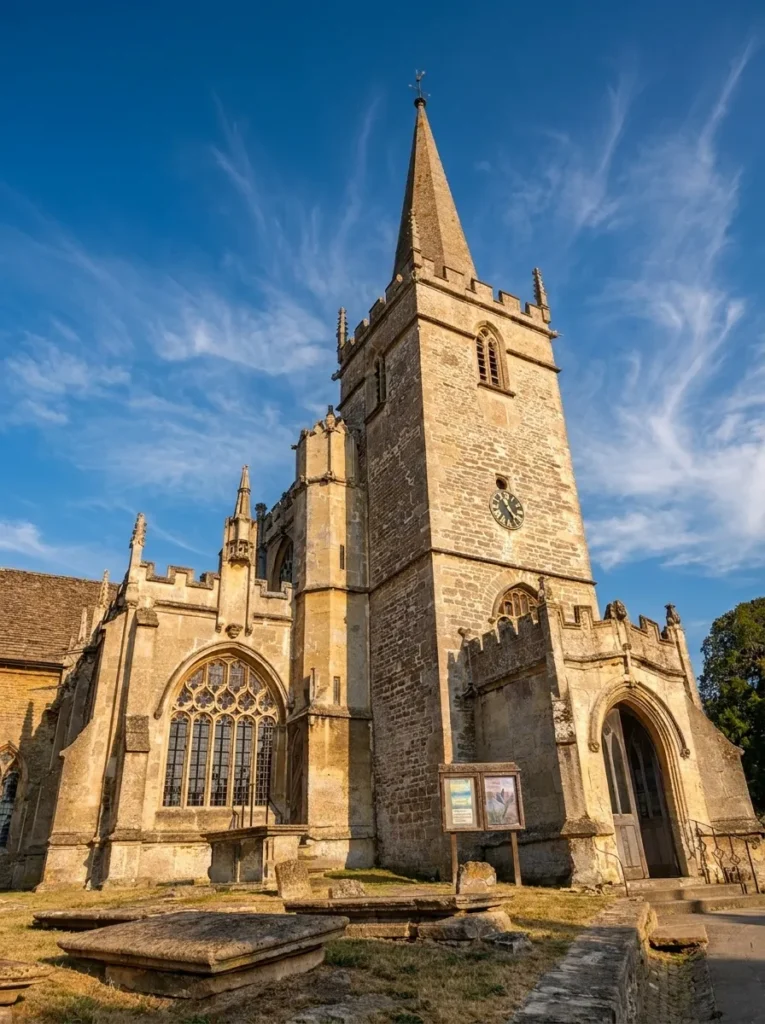
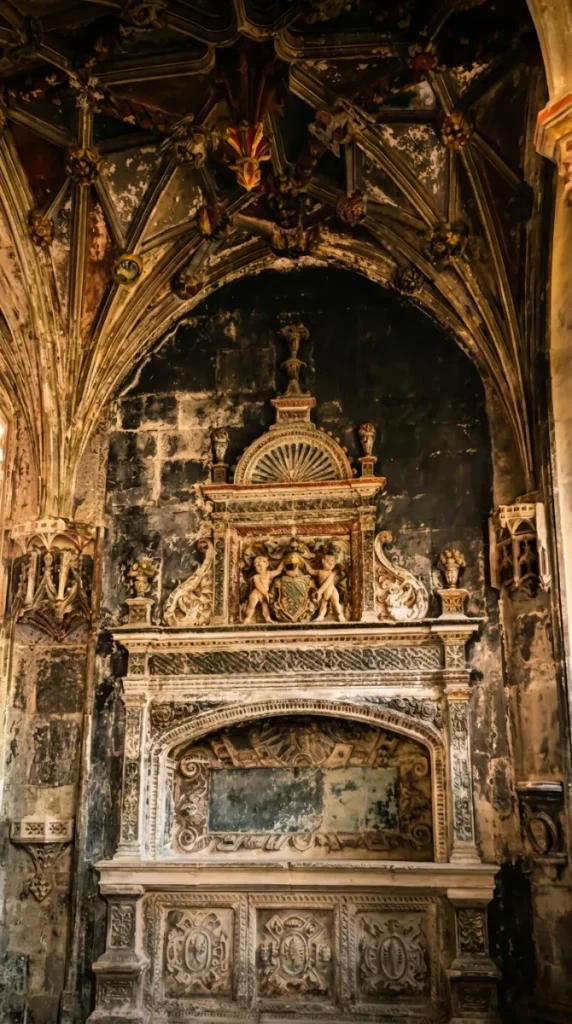
3. Visit St Cyriac’s Church
This gorgeous 15th-century parish church sits in the heart of the village. With its towering spire, ancient gravestones, and impressive stained glass windows, it adds incredible atmosphere to the village skyline. It is dedicated to St Cyriac, a 3-year-old martyr.
Part 5: The Perfect 1-Day Lacock Itinerary
To help you make the absolute most of your visit, here is my recommended step-by-step itinerary for a magical day in Lacock:
09:45 AM – Arrive Early: Park at the National Trust car park on the village edge.
10:00 AM – Hit the Abbey First: Head straight into Lacock Abbey right when the doors open. You’ll get the cloisters, Chapter House, Sacristy, and Warming Room practically to yourself for photos before the daytime tour buses arrive!
11:30 AM – Abbey Gardens & Museum: Take a leisurely walk through the formal gardens and check out the Fox Talbot Photography Museum.
12:30 PM – Pub Lunch: Sit down for lunch at Sign of the Angel (the real-world Babberton Arms!) or The Red Lion.
02:00 PM – Village Filming Location Walk: Spend the afternoon strolling along Church Street and Church Hill to photograph Slughorn’s hideaway and the Potter cottage.
03:30 PM – Afternoon Tea & Souvenirs: Stop by The Lacock Bakery for sweet treats and pop into Watlings Gift Shop or Lacock Pottery to pick up unique local crafts.
Final Thoughts: Is Lacock Worth Visiting for Harry Potter Fans?
Without a shadow of a doubt, yes!
While large studio tours offer incredible behind-the-scenes glimpses at props and set builds, nothing compares to the quiet, authentic magic of standing inside a genuine 800-year-old stone hallway where Daniel Radcliffe, Rupert Grint, Emma Watson, and Alan Rickman once stood.
Lacock isn’t just a movie set—it’s a living piece of British history where wizarding magic and real-world medieval heritage blend together seamlessly.
Have you visited Lacock yet, or are you planning your first trip soon? Let me know in the comments below, and feel free to ask any travel planning questions! Safe travels, and don’t forget your wand!