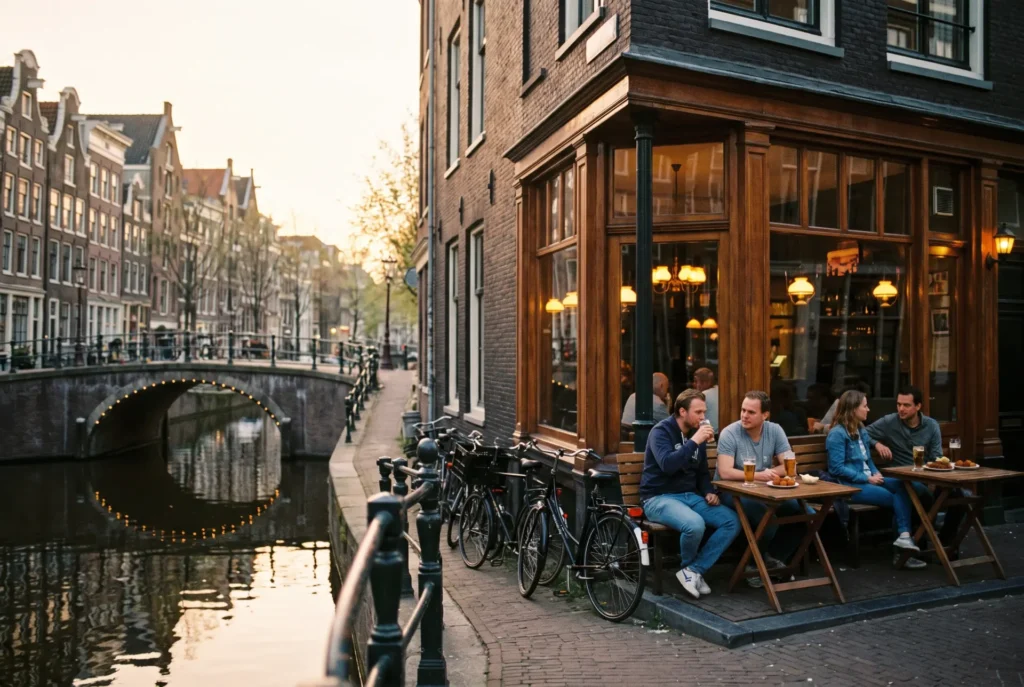
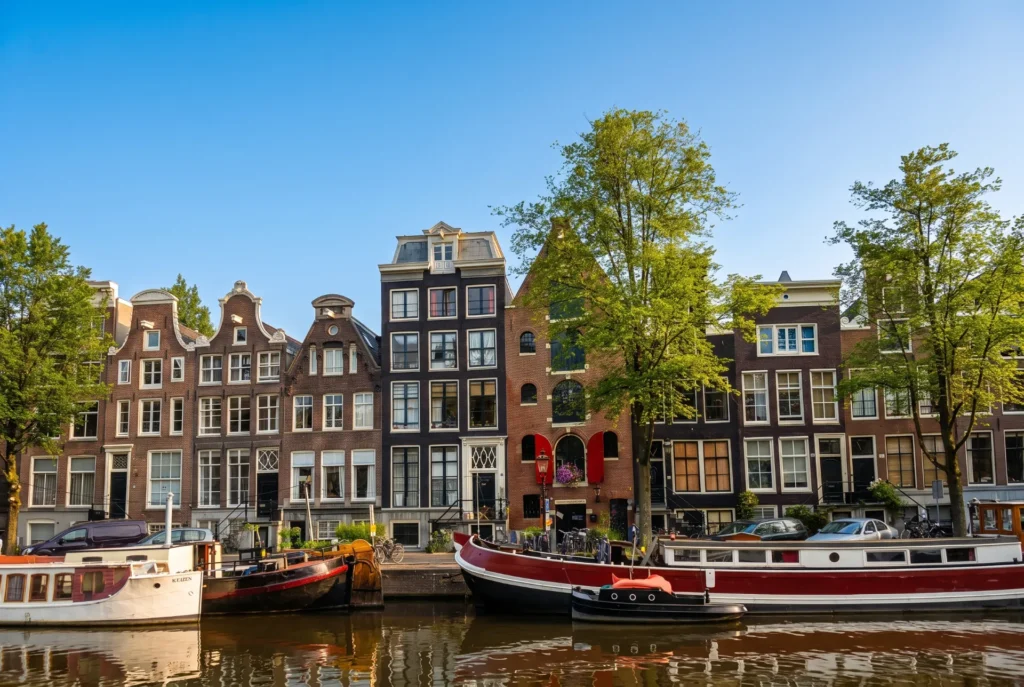
There is a distinct magic to arriving in Amsterdam for the first time. Even now, after living in the Netherlands for the past four years, I still find myself swept away by the beauty and charm of this city every single time I visit.
Whether it’s the golden light reflecting off the canals on a summer evening, the elegant canal houses leaning ever so slightly over the water, or simply cycling through streets that feel like an open-air museum, the city is simply magical.
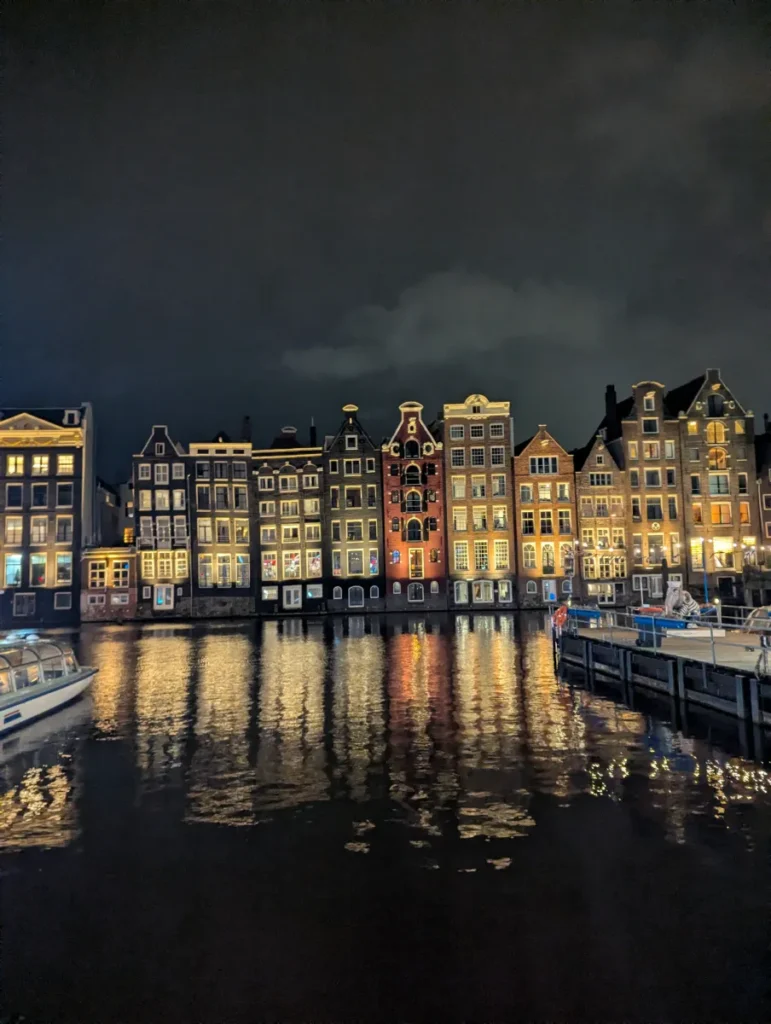
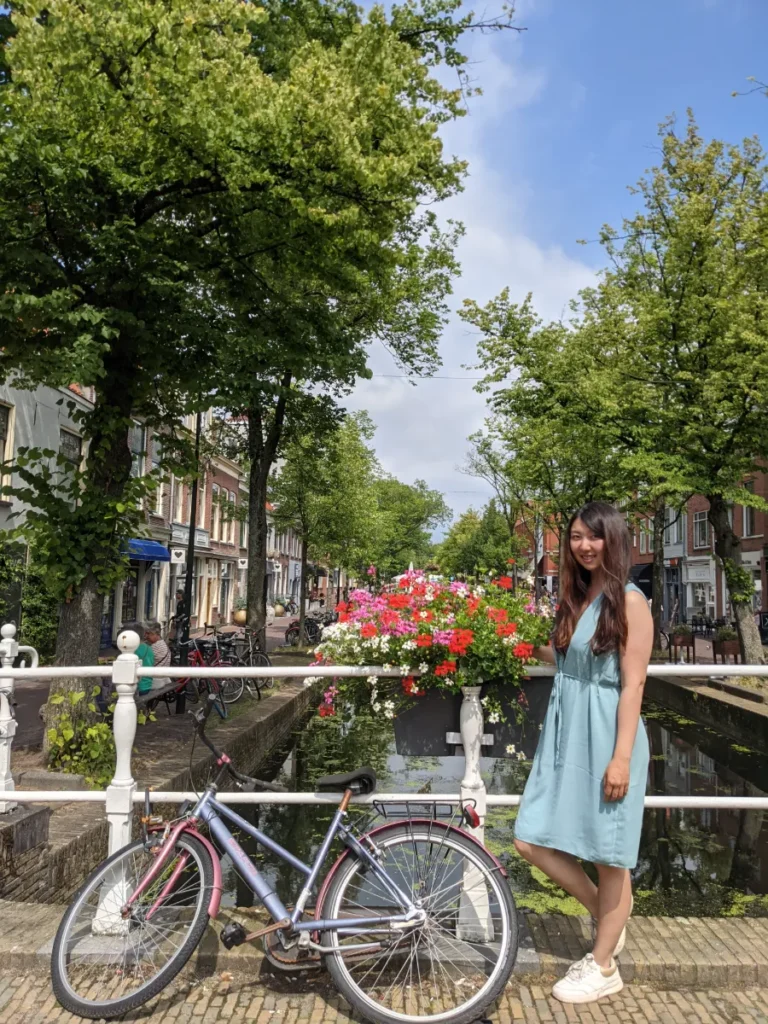
For first-time visitors, Amsterdam can also be surprisingly different from what you expect. It’s more expensive than many European destinations, the busy streets and crowds might be challenging to navigate, and despite its reputation for nightlife, much of the city winds down earlier than many visitors anticipate. Knowing these essential tips before you arrive can make your trip smoother, save you money, and help you experience the city with a little more confidence.
This guide brings together everything I tell my friends when they visit Amsterdam —from practical travel tips and common mistakes to avoid, to my favourite neighbourhoods, hidden gems and authentic Dutch food worth trying. Whether you’re visiting for two days or a full week, these tips will help you get the most out of your time in one of Europe’s most beautiful capitals.
Disclaimer: This post may contain affiliate links, which means I may earn a small commission if you make a purchase through them at absolutely no extra cost to you.
Things to Know Before Visiting Amsterdam
The Basics: Money, Language, and Weather
Money: The Netherlands uses the euro, and tap-to-pay is the standard. Many independent cafes, boutiques, and public transport networks do not accept cash at all. You will want to ensure you have a debit or credit card with contactless payment enabled.
Language: Dutch is the official language, but English is very widely spoken in Amsterdam.
Weather: Amsterdam’s weather can be unpredictable, even in summer. Pack layers and a compact umbrella no matter the season, and don’t let a rainy forecast talk you out of a trip.
Tipping Etiquette: Tipping isn’t obligatory and service is typically included. Having said that, rounding up the bill or leaving 5–10% for good service, and leaving a dollar for the barista is always appreciated.
Amsterdam is expensive
Amsterdam is one of the most expensive cities in Europe, dinner and drinks may cost 20-30% more than popular destinations in Spain or Italy. Accommodation, museums, and restaurants can add up quickly.
Amsterdam’s tourist tax adds 12.5% to the cost of accommodation per night, payable on arrival. Factor this into your budget before you book. A €200 room effectively becomes €225. It’s one of those things that catches many first-time visitors off guard.
Paid Public Restroom : Public restrooms here are almost always paid, usually between €0.50 to €1.00, payable via contactless card. Even inside department stores or fast-food chains, you often have to tap a card at a turnstile to use the bathroom.
How to Get Around Amsterdam ?
Amsterdam is a very compact and walkable city, you can easily reach all the major attractions on foot or by using its stellar public transit system. The best way to explore the city is to explore around which gives you the freedom to pause for photos and step into shops, you can easily many neighborhood to another in 20–30 minutes.
Taxis here are expensive and it is best to use the excellent network of metro, bus and trams to get around. The public transport uses the OVPay system, you do not need to buy a physical transport card. Simply tap your contactless bank card or phone on the readers when boarding and don’t forget to tap again with the same card when exiting or you’ll be charged the maximum fare.
Book Museum Tickets Well in Advance
Amsterdam attracts millions of visitors a year and popular attractions like Rijksmuseum and Anne Frank House are often completely sold out weeks in advance during busy season. As soon as your dates are fixed, you should book your tickets online to avoid any disappointment.
Amsterdam Is Not a 24-Hour City
One of the things that may surprise first time visitors to Amsterdam is how early everything closes. Shops generally operate from 10am to 6pm, with supermarkets staying open until 8pm. On Sundays, many shops are closed and those who do open often open later in the day after 12pm.
Coffeeshops open in the morning and close around midnight, while bars and clubs go much later, until 3 or 4am.
A note here: “Coffeeshops” in Amsterdam are places that sell cannabis. Do not confuse them with Cafés that serve coffee and pastries. It’s also worth noting that while it is legal to purchase cannabis in the coffeeshops, smoking cannabis out in the open on public streets in the city center is officially banned and fineable.
Stay Off the Bike Path
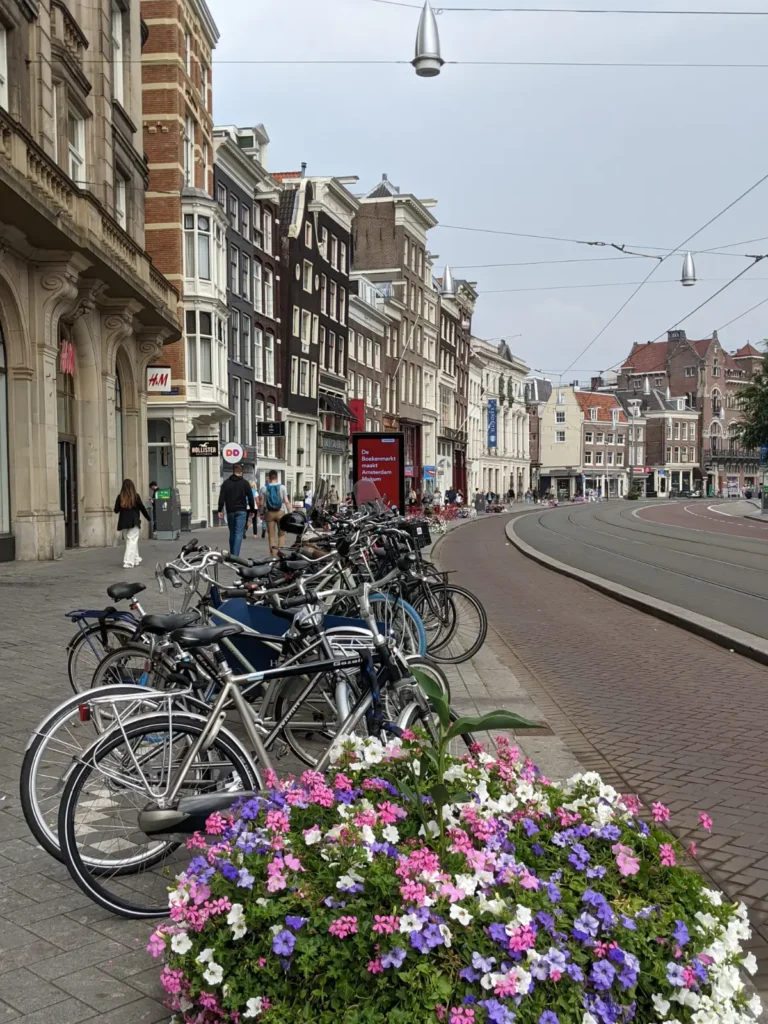
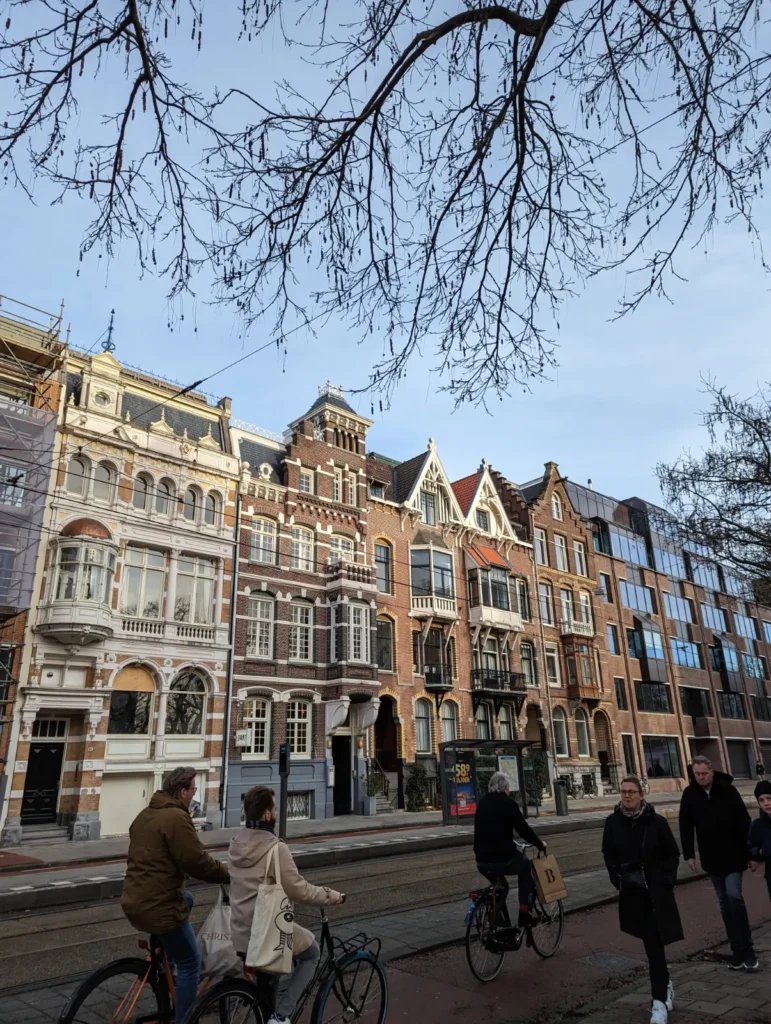
Amsterdam is known for its cycing culture and the Dutch takes their bikes very seriously. Bike lanes in Amsterdam are fast-moving highways for commuters and nothing annoys a local more than a tourist getting in their way on their way to work.
Pay attention to bike paths when you are wandering, they are paved with red asphalt and easily recognizable. Treat bike lanes with the same caution you would a railway track, look both ways before crossing, never stop to take a photo inside a lane, and keep your ears tuned for the sharp ding-ding of a bicycle bell.
If you choose to rent a bike yourself, practice your hand signals, stay to the right, and match the flow of traffic without sudden stops.
No Photography in the Red Light District
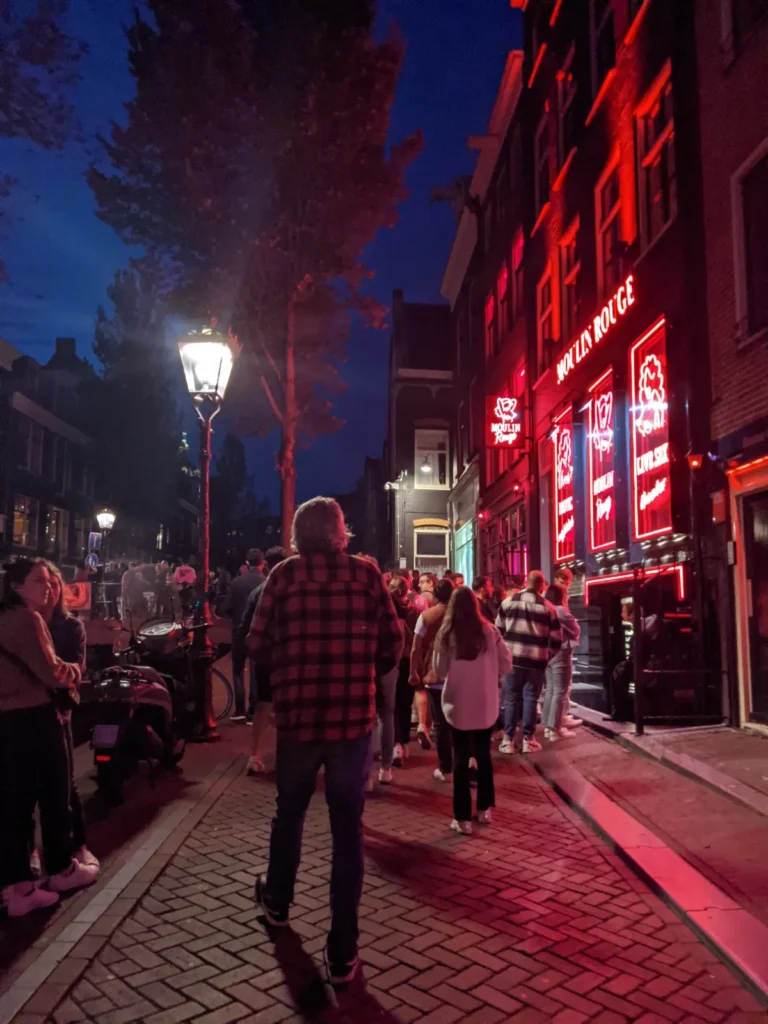
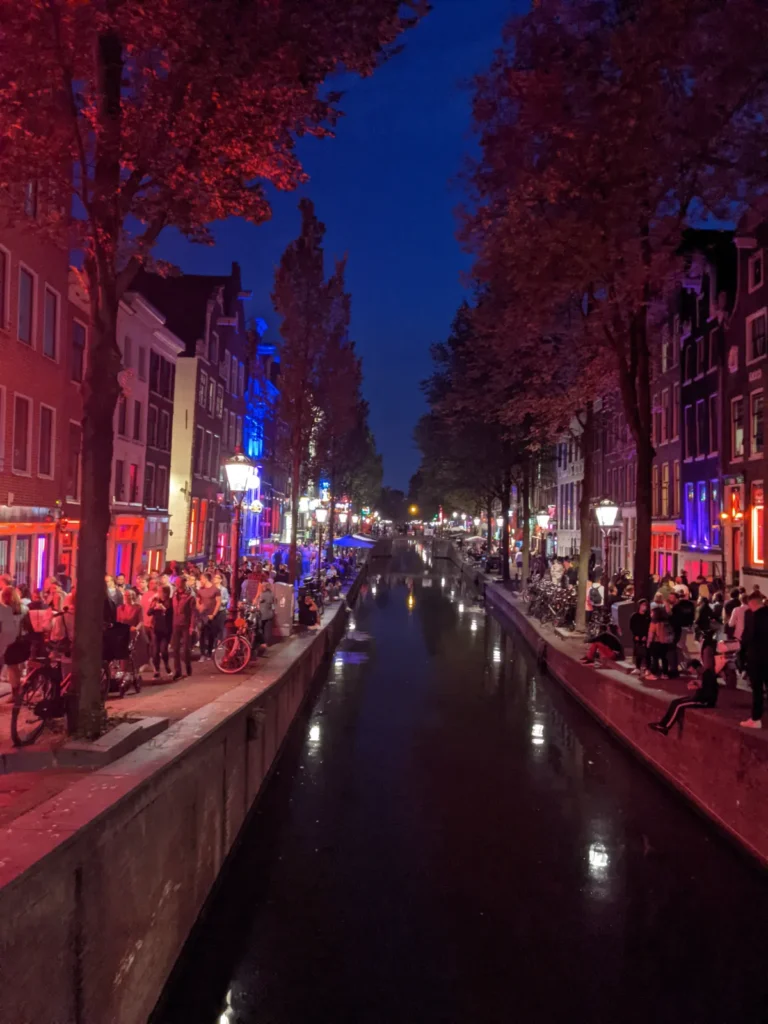
If you visit the historic De Wallen after dark, you’ll see it transformed into the busy crowded Red Light District with glowing, red-lit floor-to-ceiling windows where sex workers stand to attract clients.
Do not take any photo or videos of the workers. Doing so is a violation of their privacy and safety, and you risk having your phone or camera confiscated by local enforcement or security.
Because the medieval alleys are incredibly narrow, they quickly become packed with evening crowds. If you need to stop or look around, pull over to the side of a canal bridge so you aren’t blocking the paths of locals trying to get home or emergency services trying to navigate the lanes.
Amsterdam Must Visit Places for First-Time Visitors
Museum Quarter
This grand, elegant neighborhood is home to the major meseums in Amsterdam and is a must visit on your trip to Amsterdam.
If you only have time for one museum, I would recommend the Rijksmuseum. It is the national museum of the Netherlands and genuinely worth the hype. The beautiful 19th century architecture is a stunning masterpiece that is worth a visit on its own.
The collection is beautifully curated and takes you on a fascinating journey through 800 years of Dutch art and history. You will see masterpieces from the Dutch Golden Age, including works by Rembrandt van Rijn and Johannes Vermeer.
The meseum gets very busy, so try to aim for the first entry slot of the day if possible. The museum is very large, so plan to spend a few hours here for the full experience. I recommend getting the guided tour to learn the fascinating stories, historical context, and hidden details behind the artworks that make the artworks come alive.
Museum tickets sell out weeks in advance, especially during the busy summer season. Secure your ticket as soon as you have decided on a date.
Just 5 minutes away is the Van Gogh Museum, a museum dedicated to the life and work of Van Gogh.
Beyond famous pieces like Sunflower, it provides an interesting insight into the artists tumulous life, including his mental health struggles and his relationship with his brother.
The meseum is worth a visit if you are a fan of Van Gogh, otherwise I think the Rijksmuseum is a much better value for you time and money.
Anne Frank House
The Anne Frank House is one of Amsterdam’s most meaningful historical sites. It is a poignant reminder of the horrific Holocaust, this is where Anne and her family hid from the Nazis for two years during WWII. Doing a small group walking tour with a local guide is the best way to learn about this history.
The tickets to Anne Frank House are notoriously hard to secure and sell out very fast, so be sure to book them the minute you have decided on a date.
Amsterdam Neighborhoods Worth Visiting
Jordaan
Jordaan is a historic, charming neighborhood that epitomizes the quintessential Amsterdam atmosphere. It is a labyrinth of quiet, scenic canals, narrow residential streets, and beautiful sidewalk gardens.
This area is ideal for casual strolls away from the busier central plazas and the best neighbourhood to experience a sense of local everyday life.
Here you can find the historic “brown cafés” (traditional Dutch pubs) where you can sit down for a coffee and try local delicacies like traditional Dutch apple pie.
Negen Straatjes
The Negen Straatjes (The Nine Streets) is a micro-neighborhood of picturesque side streets that intersect the city’s main 17th-century canal ring. The streets are lined with independent boutiques, vintage clothing shops, local design studios, and artisan jewelers.
It is the perfect photo spot for the leaning gabled canal houses and historic stone bridges that define the UNESCO World Heritage canal belt.
De Pijp
If you want to experience a neighbourhood where Amsterdamers actually spend their weekends, head to De Pijp.
Once a working-class district, it has transformed into one of the city’s trendiest neighbourhoods while still retaining a laid-back, local feel. The streets are lined with independent cafés, cosy brunch spots, artisan bakeries, wine bars, and boutiques, making it an ideal place to slow down and simply wander.
At its heart is the famous Albert Cuyp Market, the largest street market in the Netherlands, where you can sample freshly made stroopwafels, kibbeling, poffertjes, and other traditional Dutch treats at a fraction of the price you’ll pay in the tourist centre.
Tourist Traps to Skip in Amsterdam
Mass-Produced “Dutch” Treats
Avoid the flashy, neon-lit bakeries in the city center that stack Nutella-covered waffles in the window. These stores often sell Dutch treats that are overpriced, mass produced and filled with artificial toppings that no local would ever touch.
For an authentic experience, head instead to a local street market such as the Albert Cupy Market in De Pijp where the vendors will make the food fresh.
Some of the other traditional Dutch food you can find here that are great for vist time visitors to Amsterdam to try include:
- Stroopwafel – Two paper-thin, crispy baked wafers glued together with a rich, gooey spiced caramel syrup. When you buy them hot off the market iron, the steam from the caramel melts the waffle slightly, making it wonderfully chewy.
- Frites – fresh fries served in a cone. Try it with mayonnaise or fritessaus ( fry sauce)
- Poffertjes – fluffy bitesized pancakes cooked in cast iron and served with hot butter and dusted generously with powdered sugar
- Kibeling – Tender chunks of white fish (typically cod or hake) coated in a light, seasoned batter and deep-fried to a perfect crisp.
Unlike a traditional sit-down plate of British fish and chips, this is a casual street snack served with a side of garlic or tartar sauce, meant to be eaten with a small wooden pick right at the stall or as you stroll.
Canal Tours
Going on a canal tour is a quintessential experience for a first-time visitor, as Amsterdam’s architecture was designed to be viewed from the water. However, the experience can vary widely depending on the vessel.
Skip the massive, glass-topped tourist cruisers that play pre-recorded audio through headphones. Instead, look for smaller, locally operated electric open boats. These eco-friendly vessels glide quietly through the water, allow you to speak directly with your skipper, and can navigate the smaller, historic canals of the Jordaan that the large boats cannot reach.
I recommend this highly rated cruise aboard a traditional 19th century Amsterdam saloon boat powered by a quiet electric engine. For only about 5 euro more, you can get an option that has unlimited Dutch cheese, wine, and other drinks included, a great way to sample some local food over a scene view.
Tip: Booking a tour around the golden hour offers unparalleled, soft reflection photos of the leaning canal houses.
Hidden Gems in Amsterdam
Amsterdam Noord and NDSM Wharf
To experience the contemporary energy of the city, walk behind Central Station and board the free public ferry across the IJ river to Amsterdam Noord. This area was once an abandoned industrial shipyard. Since the early 2000s, it has transformed into a thriving cultural oasis filled with artists, street art collectives and independent businesses.
You can wander through the vast STRAAT Museum—a cavernous warehouse dedicated entirely to large-scale street art—or sit at a café built from repurposed shipping containers. Another attraction worth visiting are giant repurposed submarine shed that now serves as a creative working space for resident artists. Entry is sometimes possible during open-studio events
The IJ-Hallen flea market takes place on the first weekend of most months and is the largest monthly flea market in Europe, drawing around 750 stalls and 40,000 visitors each day. It is best to arrive early in the day to beat the crowd. This area is expansive and chic and offers an interesting contrast to the historic canal belt
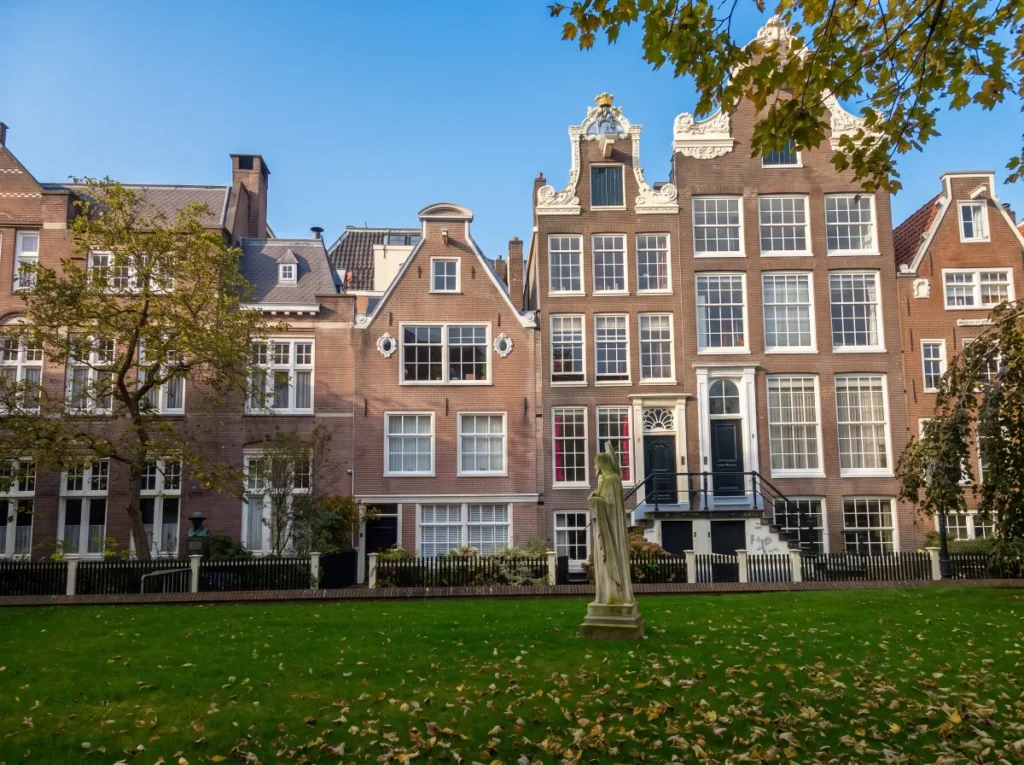
Begijnhof – A Medieval Sanctuary in the City Center
Begijnhof is probably one of the most well known “hidden gems”, but still surprises me when I visit. Entirely invisible from the street, this medieval courtyard is accessed through a modest, unmarked wooden door. It is a quiet respite from the bustling Spui square next day.
Built in the 14th century, the Begijnhof originally housed the Beguines: religious women who took vows of chastity but retained the right to own property. Remarkably, women have lived in these historic homes continuously for over seven centuries.
What to Look For: House number 34 is one of only two remaining wooden houses in Amsterdam, dating back to 1425. On the left side of the courtyard, you will also find a beautiful, hidden Catholic chapel, covertly converted from a warehouse during the Reformation.
The Rules: Entry is free, but a strict rule of silence is enforced. Respect the currrent residents by keeping your voice low, avoiding flash photography, and don’t peer into ground-floor windows.
Hours: Typically open daily from 09:00 to 17:00.
De Poezenboot: The World’s Only Floating Cat Sanctuary
The De Poezenboot is well worth a visit if you are a cat lover! This unique attraction is the world’s only floating animal sanctuary, housing stray and abandoned felines on a specially converted houseboat.
It began when a local resident started taking in stray cats, eventually converting a houseboat into a permanent sanctuary. Today, this floating refuge cares for up to 70 rescued and abandoned cats at any given time.
Because space on board is highly limited, it is essential to book a specific entry time slot online well in advance. Otherwise, you may have to wait in a queue for over an hour as it is very popular.
- Hours: Open weekdays from 13:00 to 15:00, and weekends from 13:00 to 14:00.
- Location: Found on the Singel canal near the Kat en Muis (Cat and Mouse) bridge, just a short walk from Central Station.
- Booking: Entry is free (though donations are warmly welcomed), but you must book a timed entry slot online in advance at depoezenboot.nl. Visiting windows are kept very short to prevent stressing the cats, so be sure to arrive exactly on time.
Beyond the Canals: Easy Day Trips From Amsterdam
While it is incredibly easy to spend your entire trip trapped in the beautiful loop of the central canal belt, some of the most authentic Dutch experiences lie just beyond the city limits. The Netherlands boasts one of the most efficient, punctual, and tightly connected rail networks in the world, meaning you can trade the bustling city streets for historic university towns, quiet coastal escapes, or rolling countryside fields in under 30 minutes.
If you are looking for classic, postcard-perfect views of historic windmills, look no further than Zaanse Schans. Situated just a 15-minute train ride north of Central Station, this open-air conservation area transports you straight into the 18th century. Here, you can watch monumental wooden windmills actively sawing timber and grinding grain, explore traditional green wooden houses, and visit working artisan workshops where craftsmen still carve traditional Dutch clogs by hand. It’s an easy morning trip that offers a gorgeous window into the region’s industrial history.
For a completely different vibe, catch a train to Haarlem or Leiden. Often described as a calmer, more intimate version of Amsterdam, Haarlem is located just 15 minutes away and features stunning hidden courtyards (hofjes), magnificent Gothic architecture, and a thriving boutique shopping scene completely free of tourist crowds. Meanwhile, Leiden—the birthplace of Rembrandt—is a quintessential university town boasting the oldest botanical garden in the country and a historic center woven together by quiet, sun-drenched canals.
Finally, don’t overlook Utrecht, which is probably my favourite Dutch city outside Amsterdam. Unlike Amsterdam’s canals, Utrecht’s waterways are lined with unique wharf cellars that have been converted into cafés, restaurants and bars right at the water’s edge. The city feels lively yet relaxed, with enough history, architecture and local character to easily fill an entire day.
A final word
Amsterdam is one of those rare cities that somehow manages to feel both energetic and peaceful at the same time. One moment you’re standing among world-famous masterpieces in the Rijksmuseum, and twenty minutes later you’re quietly watching boats drift past from a canal-side bench. The city’s charm isn’t found only in its famous attractions, but in the slower moments between them—wandering through the Jordaan, discovering a tucked-away courtyard, or enjoying a fresh stroopwafel from a market stall.
My biggest piece of advice is not to rush. Amsterdam is remarkably compact, and trying to tick off every attraction often means missing the atmosphere that makes the city so memorable. Leave room for spontaneous detours, walk whenever you can, and don’t be afraid to venture into neighbourhoods that aren’t listed in every guidebook. Some of my favourite memories came from simply getting a little lost.
Whether you’re visiting for a weekend or using Amsterdam as the start of a longer Dutch adventure, I hope these tips help you experience the city beyond the obvious tourist checklist. Respect the local cycling culture, book your museums early, sample plenty of Dutch food, and most importantly, slow down—you’ll discover that Amsterdam is best appreciated one canal, one café and one neighbourhood at a time.

Sophie is a Singaporean traveler and travel writer who has spent the past decade living across continents. Her previous career in tech took her from Sydney and San Francisco to Europe, where she spent the last five years living in Paris and the Netherlands.
Today, she writes about the art of slowing down. Sophie believes the best way to understand a destination is to stay a little longer, wander without a map, and let the authentic character of the place unveil itself naturally.