
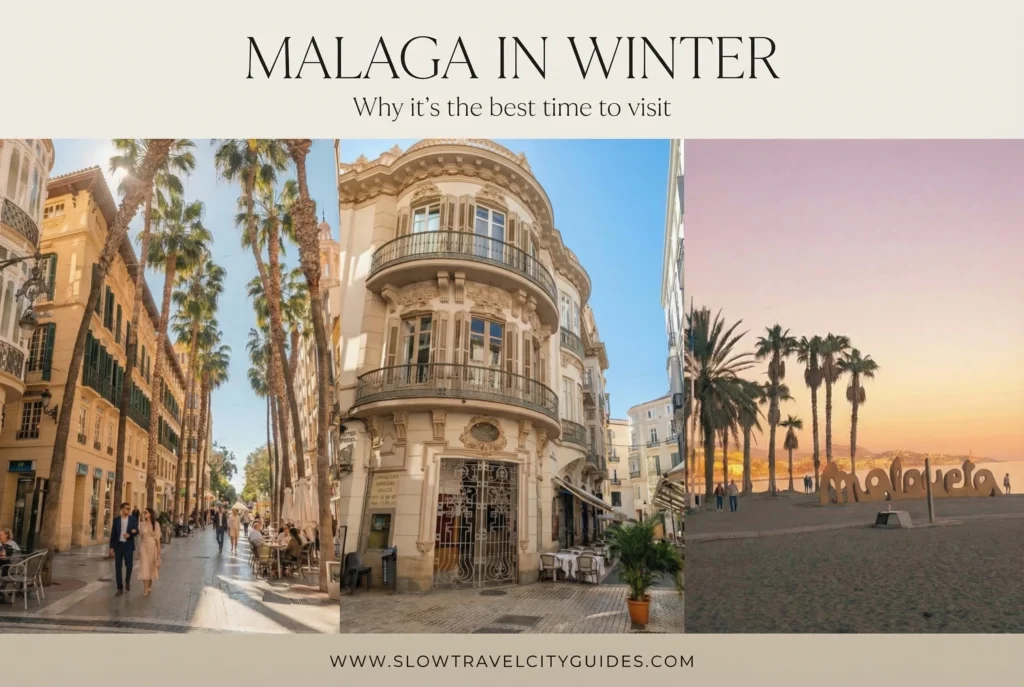
Most people think of Málaga as a summer destination, long day at the beach and drinks on sunny terraces. After living here for five years, I’m starting to realize that it’s actually the city’s best kept secret. The light is soft, the pace slows down beautifully, and you get to experience Málaga the way locals do: quietly, thoughtfully, without the rush of summer tourists. Whether you’re planning a trip in January, February, or any of the winter months in between, this guide is for you.
If this is the first time you’re visiting my blog, be sure to check out my Ultimate Guide on What to do and Eat in Malaga and my Perfect 3 Days in Malaga Itinerary.
What Is Málaga Like in Winter?
Málaga sits at the southern tip of Spain, cradled between the Mediterranean and the Andalusian mountains. This geography gives it one of the mildest winters in all of Europe. Winter in Málaga is gentle.
Unlike much of Europe, the city rarely feels harsh or grey during the colder months. Instead, the days are often bright and comfortable, with a soft Mediterranean light that lingers over the harbor and historic streets.
Average winter temperatures:
- January: 17°C (63°F) daytime / 8°C (46°F) evening
- February: 18°C (64°F) daytime / 9°C (48°F) evening
It’s not beach weather for swimming (the sea hovers around 15-16°C), but it’s perfect for walking, lingering over coffee, and sinking into the city’s rhythm. January tends to be a touch cooler and wetter, with perhaps 6-8 rainy days, while February warms slightly and dries out, making it feel like early spring is just around the corner.
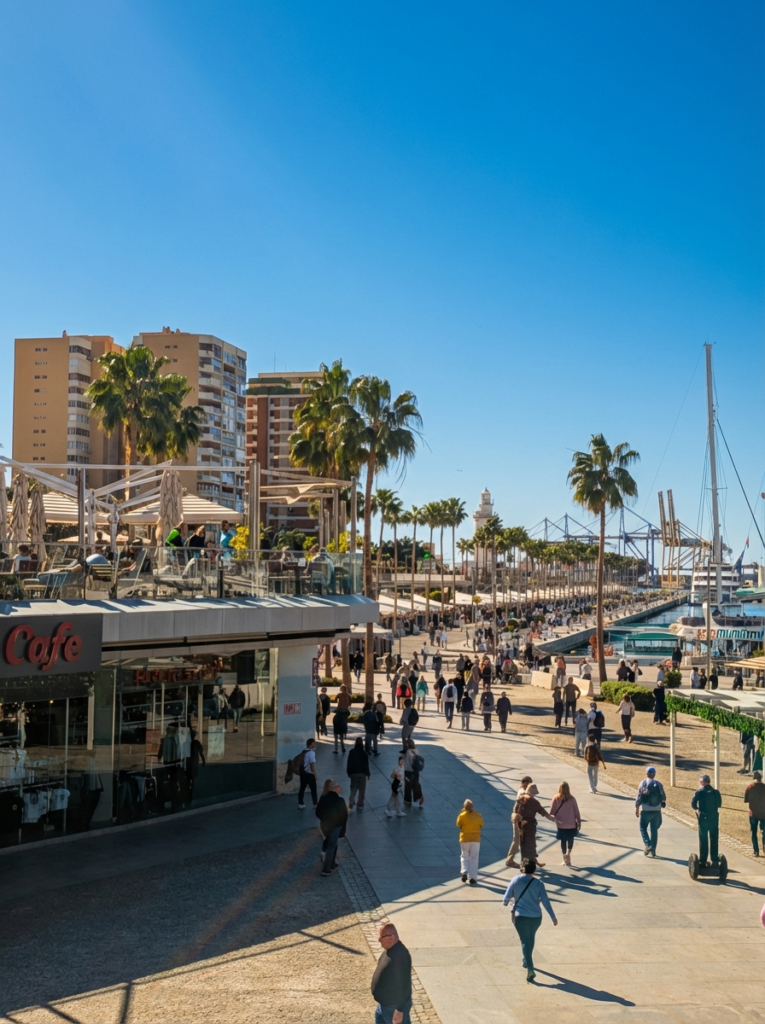
Many afternoons are warm enough to sit outside for lunch, especially in sunlit plazas like Plaza de la Merced or along the harbor promenade at Muelle Uno. Locals still wear coats, but you’ll often notice people lingering at cafés with sunglasses on, enjoying the rare luxury of winter sun.
Rain does happen occasionally, but it tends to come in short bursts rather than long grey stretches.
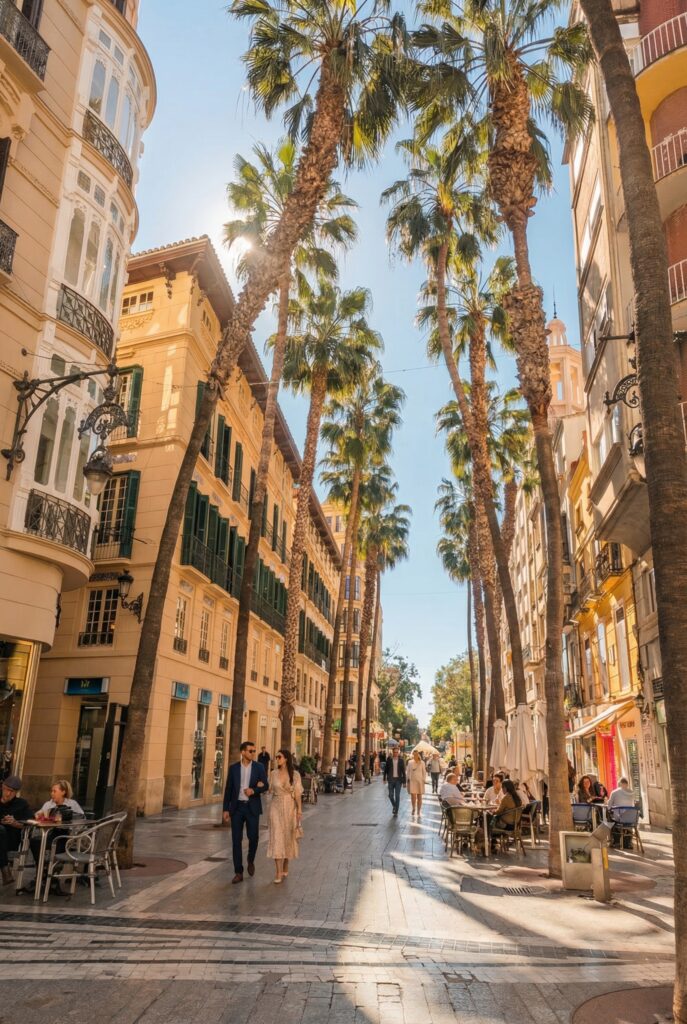
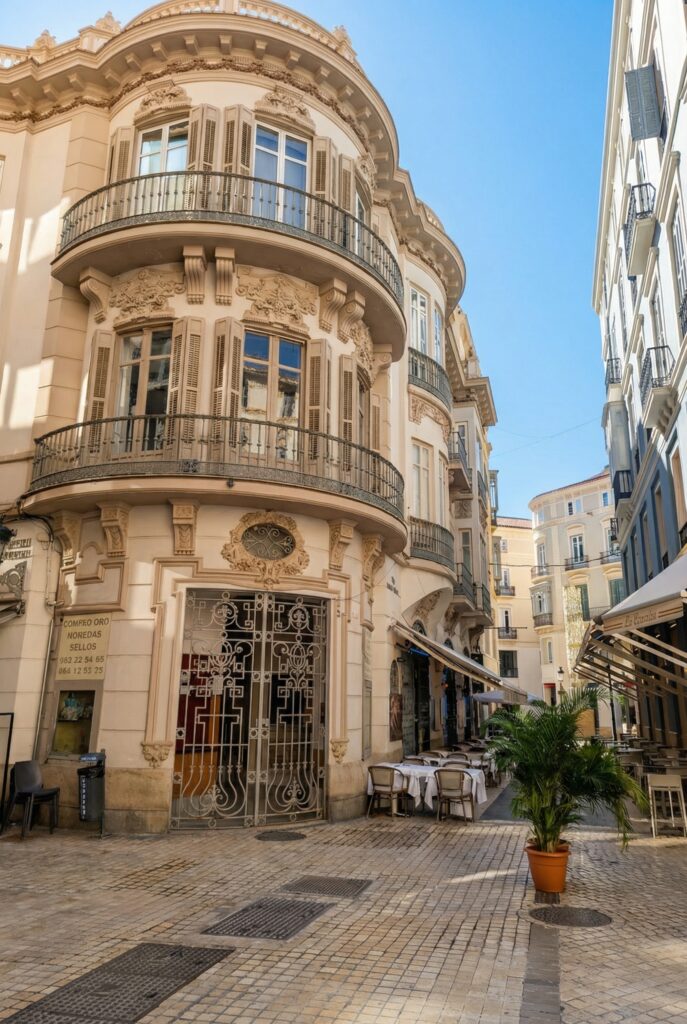
Why Málaga in Winter Is the Best Time to Visit
The crowds genuinely disappear
Summer in Málaga has become extremely popular. Cruise ships arrive daily, beach clubs fill up early, and the historic center can feel busy from morning until late at night.
The Picasso Museum queues stretch down the block. The Cathedral square fills up before ten in the morning. The narrow lanes of the historic centre become a slow shuffle. In January and February, you walk through the same places with an almost surreal sense of ease. You can linger. You can sit on a bench and watch pigeons. If you enjoy traveling thoughtfully rather than checking boxes, this change alone makes winter incredibly rewarding.
Prices soften considerably
Between January and early March, hotel prices drop significantly compared to summer. Boutique hotels and stylish guesthouses in the historic center often offer some of their best rates of the year.
This means you can stay in central locations, close to the old town, museums, and restaurants, without the summer price tags. For slow travelers staying a week or longer, the difference can be substantial.
The Weather Is Perfect for Exploring
One thing visitors often underestimate about Málaga is how hot summer can become. Temperatures frequently climb above 35°C (95°F), which makes long sightseeing days exhausting.
Winter, on the other hand, feels comfortable.
You can climb up to the hilltop Castillo de Gibralfaro, wander through the gardens around the Alcazaba of Málaga, or spend hours exploring small neighborhoods without worrying about the heat. It’s the kind of weather that invites slow exploration rather than retreating indoors.
For more ideas on what to do, check out my ultimate guide on what to do in Malaga, Best Day Trips from Malaga and Hidden Gems in Malaga.
Restaurants Feel Local Again
One of the quiet joys of Málaga in January and February is dining. During the high season, many restaurants cater heavily to tourists. In winter, however, you start to see more locals filling the tables again.
Traditional tapas bars become lively meeting places in the evenings, especially in neighborhoods like Soho Málaga and around Plaza de la Merced.
This is also the season when comforting Andalusian dishes really hit the nerve. In colder months, the local kitchen turns to heartier dishes. Ajoblanco — a cold white almond and garlic soup that predates gazpacho — is served year-round and is one of the great, undersung dishes of Andalucía. Look also for puchero, a slow-cooked chickpea stew with vegetables and meat, which is the kind of dish that winter was made for.
Check out my Insider’s Guide on Where to Eat in Malaga for recommendations for iconic restaurants for tapas and seafood.
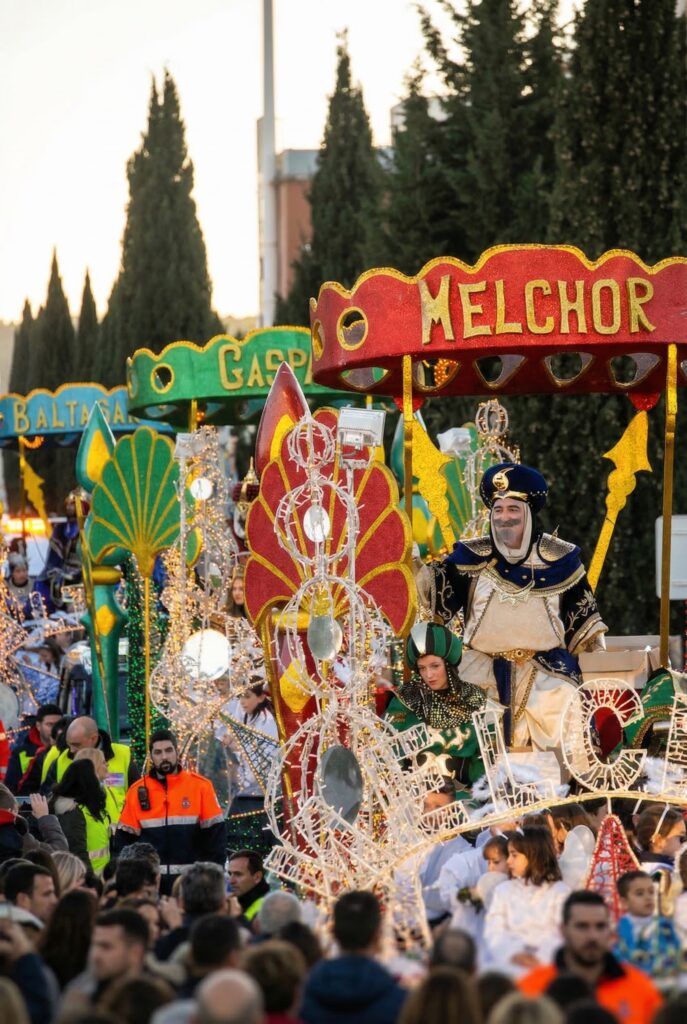
Málaga in January: What to Expect
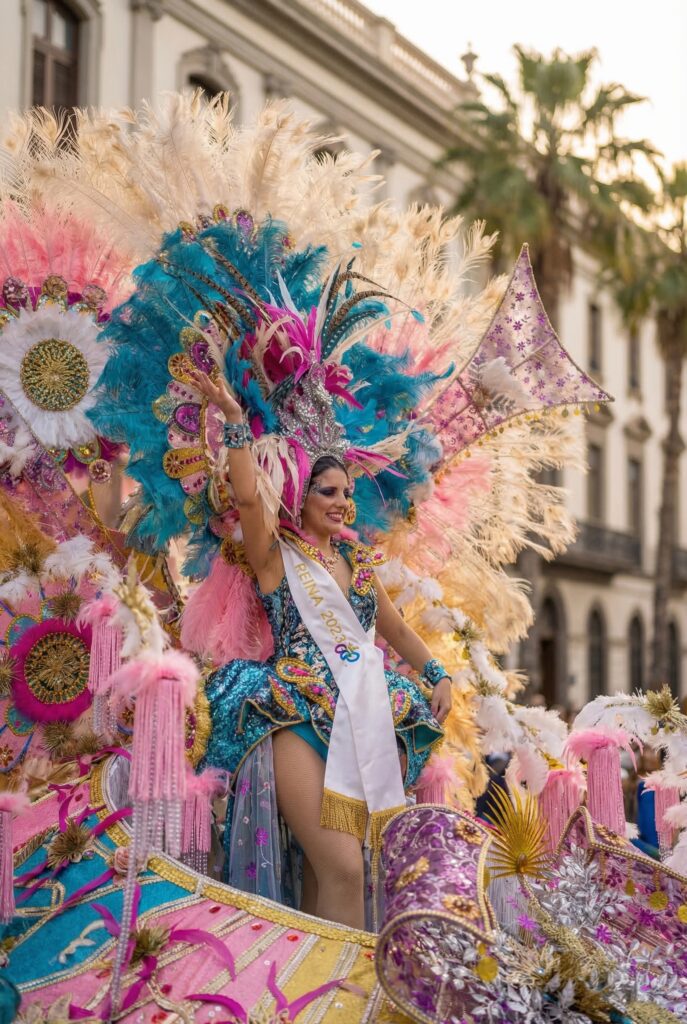
Málaga in January begins with the warm tail of the holiday season. The Three Kings parade — La Cabalgata de Reyes — takes place on January 5th each year and is one of the most joyful public events I’ve witnessed in five years of living here. The streets fill with floats, sweets are thrown into the crowd, and children wait up in genuine excitement. If you happen to be in the city for it, do not miss it.
After that, January settles into its quieter rhythm. Museums are calm, restaurants have tables available without reservations, and the city moves at the measured, unhurried pace that gives slow travel its meaning. Hotels are at their most affordable. Days are crisp and often brilliantly clear.
A Quick Note on Sales
From around January 7th, the winter sales (rebajas) begin. If you fancy some retail therapy, Calle Larios and the shops at Muelle Uno are full of post-holiday bargains
Málaga in February: Almond Blossoms and Carnival Spirit
If January is quiet contemplation, Málaga in February is joyful anticipation. The days grow slightly longer, the first flowers appear, and the city prepares to let its hair down.
The First Sign of Spring: Almond Blossoms
By mid-to-late February, the hills around Málaga begin to blush with white and pink almond blossoms. It’s a breathtaking sight. Take a drive or a guided route through the Montes de Málaga, or visit towns like Guaro or Almogía to see the countryside come alive . Locals often make a day of it, stopping at a countryside restaurant for a long, lazy lunch.
Málaga Carnival (February 7-15, 2026)
Forget the glitzy carnivals of other cities; Málaga’s is wonderfully unique and community-focused . The city transforms for about ten days. You’ll see everything from satirical murga performances on street corners to the gloriously over-the-top Drag Queen Gala .
But the events I find most endearing are the final day’s traditions: the Gran Boqueroná, where free fried anchovies are handed out in the main square, and the surreal Entierro del Boquerón (Burial of the Anchovy), where a giant sardine is paraded through the streets and “mourned” before being burned on the beach. It’s quirky, it’s local, and it’s pure Málaga .
Andalucía Day (February 28th)
The month ends with a celebration of regional identity. On Día de Andalucía, many museums offer free entry, and you’ll see the green and white Andalusian flags hanging from balconies. It’s also the perfect excuse to enjoy a traditional “desayuno andaluz” —rustic bread drizzled with golden olive oil and a sprinkle of sugar .
A Winter Packing List for Málaga
I’ve learned through trial and error what works here. Your suitcase should be a mix of practicality and optimism:
- Layers are non-negotiable: Think t-shirts, long-sleeved tops, a fleece or light jumper, and a warm (but not arctic) jacket .
- Comfortable walking shoes: You’ll cover miles of marble-paved streets and perhaps the hill up to Gibralfaro Castle .
- A scarf and maybe gloves: Essential for those chilly evenings when you’re sitting at an outdoor terrace.
- Sunglasses and sunscreen: The Andalusian sun is surprisingly strong, even in winter .
- An umbrella: Just in case. January and February can bring a few rainy days .
Top Things to Do in Málaga in Winter for Slow, Meaningful Travel
Explore the Historic Center Without the Crowds
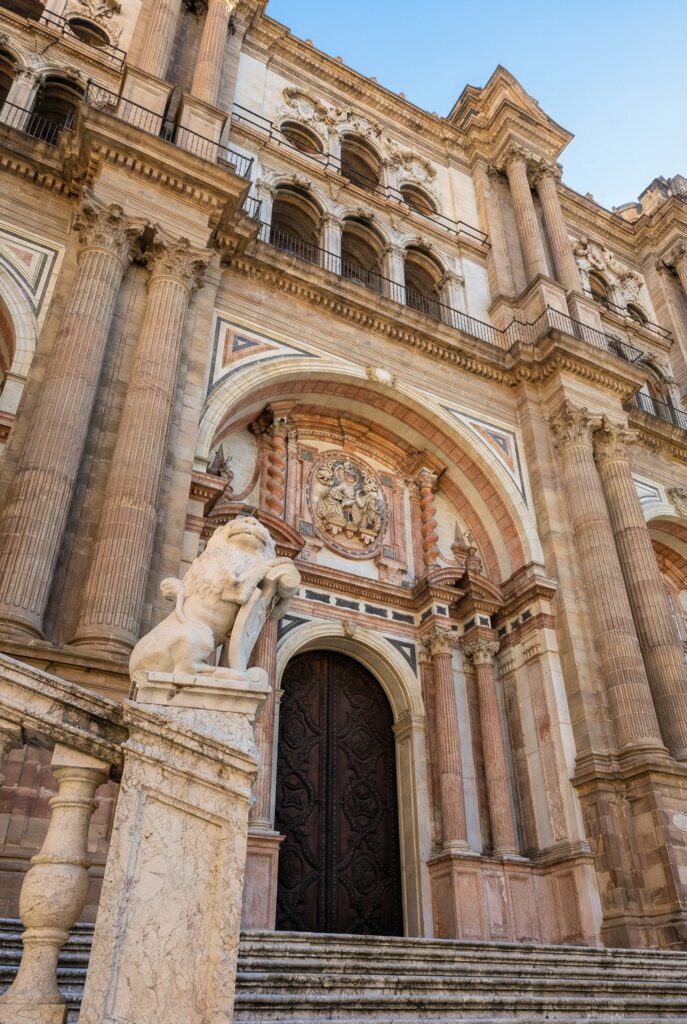
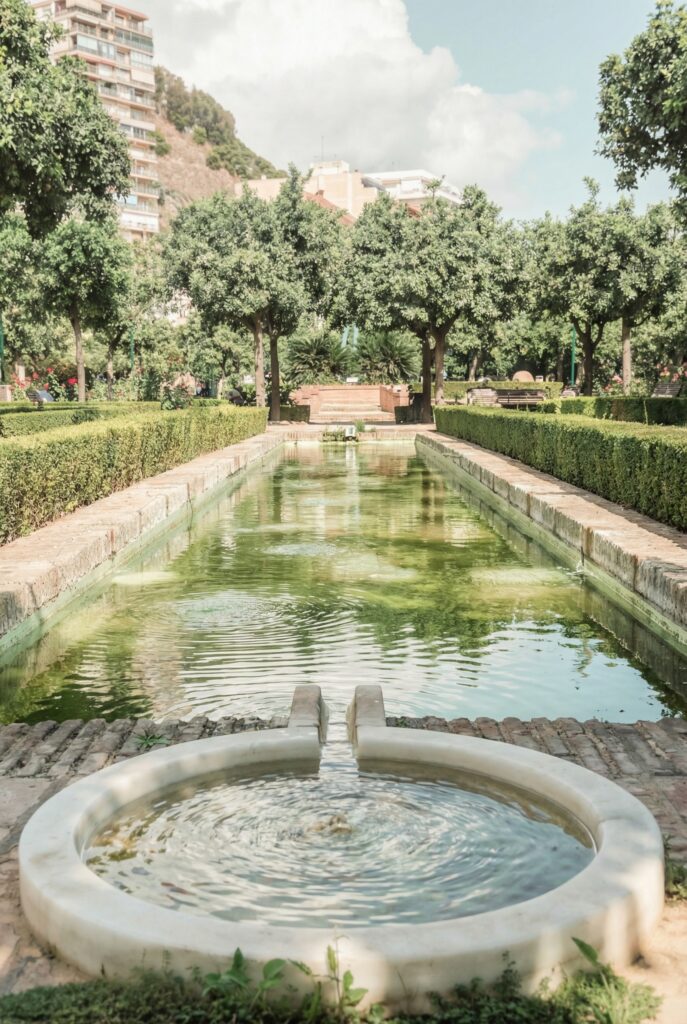
Walk the narrow streets around Calle Larios and Plaza de la Constitución. In winter, you can pause at the Roman Theatre or climb to the Alcazaba fortress and really take in the views over the city and sea. The paths feel peaceful, and the gardens are quiet. From there, continue up to Gibralfaro Castle for panoramas— the walk is rewarding and not too strenuous.
Museums and Culture at a Gentle Pace
Málaga’s museums shine in winter. The Picasso Museum feels intimate when it’s not packed, allowing you to spend time with his early works and let the stories sink in. The Centre Pompidou Málaga offers modern art with harbor views, and the Alcazaba combines history with serene gardens. These are perfect for rainy afternoons.
Savor Local Food and Winter Comforts
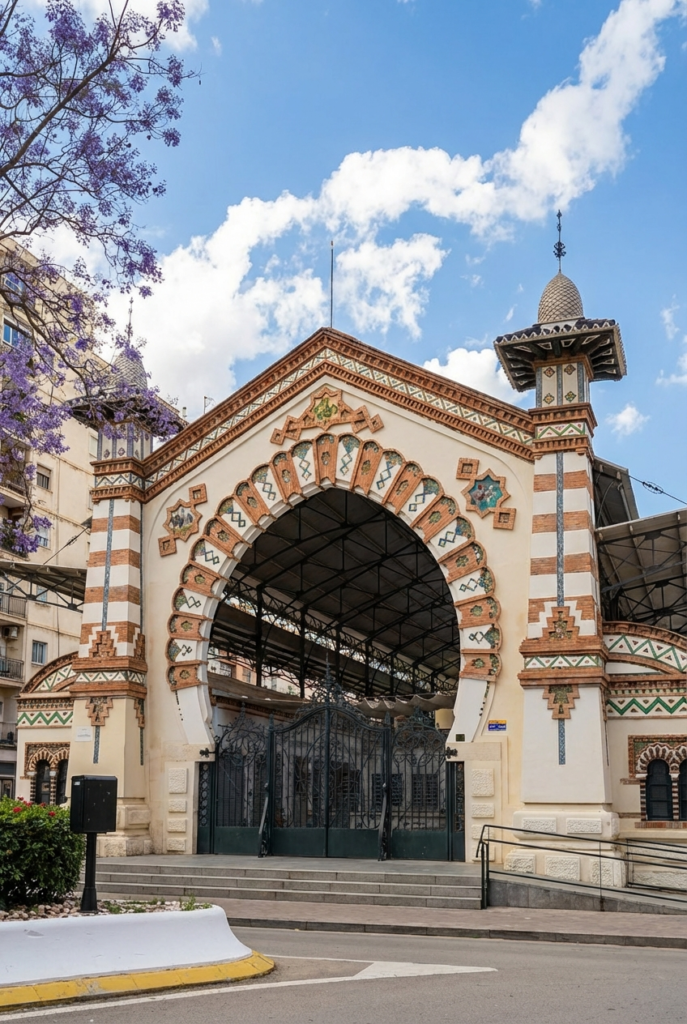
Tapas here are year-round, but winter means cozier spots. Try espeto de sardinas (grilled sardines) at beachside chiringuitos, even if just for the atmosphere. Warm dishes like caldo (broth) or potaje de garbanzos appear more often. Head to Mercado Atarazanas for fresh produce, olives, and jamón—grab something to picnic in a quiet plaza.
For something special, seek out turrón or polvorones, holiday sweets that linger into January.
Coastal Walks and Nearby Nature
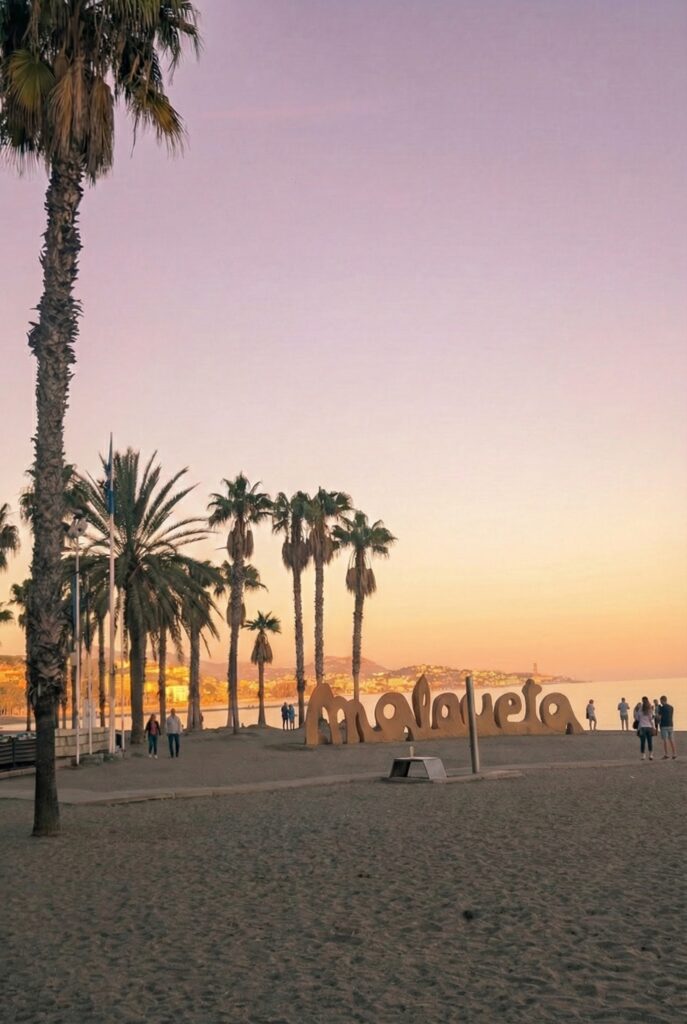
The promenade from the port to Pedregalejo is a lovely walk in winter, with fresh sea air and locals walking dogs or chatting. For a half-day escape, take a bus to nearby Montes de Málaga Natural Park for easy trails through pine forests; the views back to the city are stunning on clear days.

Day trip to Ronda or the white villages
Málaga is an excellent base for exploring wider Andalucía. In winter, a day trip to Ronda , the dramatic clifftop city with its stunning green gorge, is one of the most rewarding excursions imaginable. The landscape is green, the villages are quiet, and the drive through the Serranía de Ronda has an almost cinematographic quality in the clear winter light.
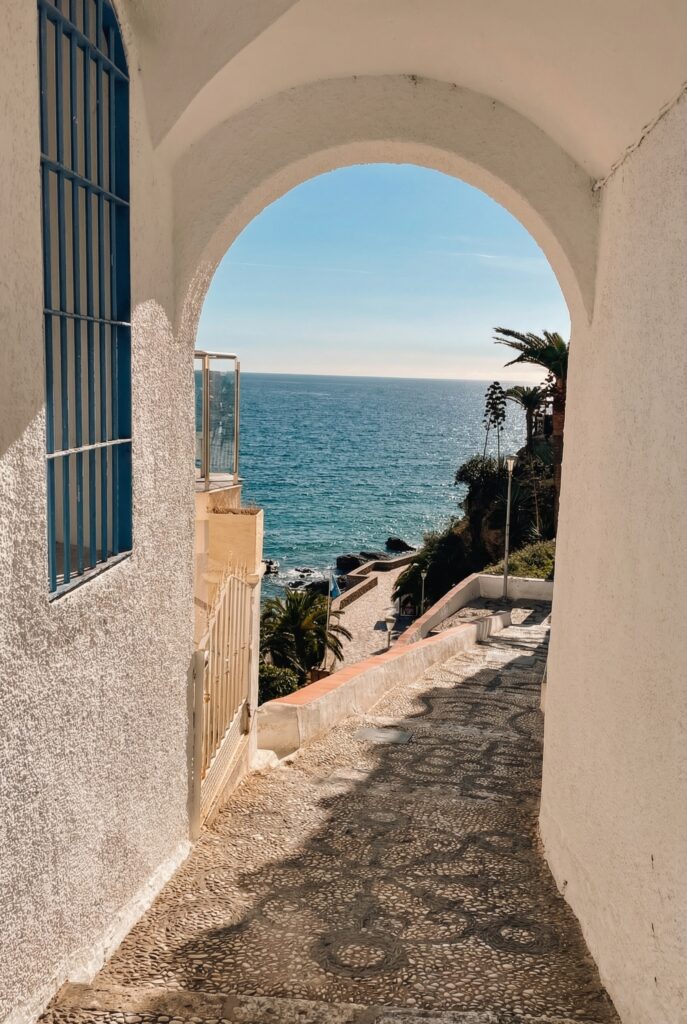
Another great place to visit is Nerja, a stunning coastal town about an hour out of Malaga that has stunning beaches, mountains, cute villages and incredible caves. Check out my Complete Guide on Nerja, or Best Day Trips from Malaga for more great ideas on easy escapes from the city.
Catch Winter Events and Festivals
January starts quietly after the holidays, but the sales (rebajas) begin around January 7—great for browsing local shops. February brings the Málaga Carnival (usually early to mid-February), with colorful parades, music, and street energy centered around Plaza de la Constitución. It’s lively but not overwhelming—join in with a costume if you feel like it, or just watch and enjoy the satire and community spirit. The Burial of the Anchovy closes it on the beach, a quirky local tradition.
Practical Information for Your Winter Visit
Getting here
Málaga–Costa del Sol Airport (AGP) is one of Spain’s best-connected airports, with direct flights from most major European cities year-round. In winter, budget airlines run frequent routes from the UK, Germany, the Netherlands, and Scandinavia at prices that are meaningfully lower than the summer equivalent. The airport is a 20-minute metro ride from the city centre, simple, affordable, and entirely stress-free.
Getting around the city
The historic centre is compact and entirely walkable. The metro connects the airport, the train station, and the outer neighbourhoods efficiently. For day trips, car rental is the most flexible option, allowing you to linger longer in towns and visit places that are a bit harder to reach by public transport. The bonus is that in winter, traffic in the city is manageable enough that driving doesn’t feel like a chore.
Where to stay
The historic centre is the best base for a winter visit. Properties on or near Calle Larios, in the Soho district, or within walking distance of the Alcazaba put you at the heart of everything. In January especially, room rates in quality boutique hotels can be genuinely impressive. It is recommended to book two to three weeks in advance, you have more flexibility than in summer, but the best properties still fill up.
Be sure to check out my guide on Where to Stay in Malaga for the best neighbourhoods and hotels to stay in Malaga.
A Final Thought: The Gift of Going Off-Season
Winter allows you to experience Málaga as a living Mediterranean city rather than just a beach destination. The crowds are smaller, the atmosphere feels local, and the gentle climate makes everyday exploration easy.
This is a city with layers: Phoenician, Roman, Moorish, and modern all pressed into the same few square kilometres. In summer, those layers are still there, but the noise makes them harder to hear. In January, in February, when the light slants long and golden and the streets empty out by nine in the morning, you can actually hear the city thinking.
What stayed with me most about winter here wasn’t any single attraction. It was the feeling of the city breathing a little slower — the quiet café mornings, the golden light in the harbor, and the sense that you had space to simply wander. I hope you find it as remarkable as I have. Go slowly. Eat well. Take the long way back to the hotel. Málaga in winter is well worth every quiet moment.
You May Also Be Interested In:
- Ultimate Guide to Malaga: What to Do and Eat
- Best Day Trips from Málaga: A Local Guide to Easy Escapes Beyond the City
- The Perfect 3 Days in Malaga Itinerary
- Hidden Gems in Malaga: Local Secrets & Off-the-Beaten-Path Tips
- Where to Stay in Malaga: A Local’s Neighborhood Guide
- Best Places to Eat in Malaga: An Insider’s Guide to Best Restaurants
- The Complete Guide to Nerja: Stunning Beaches, Cave, and Slow Travel