
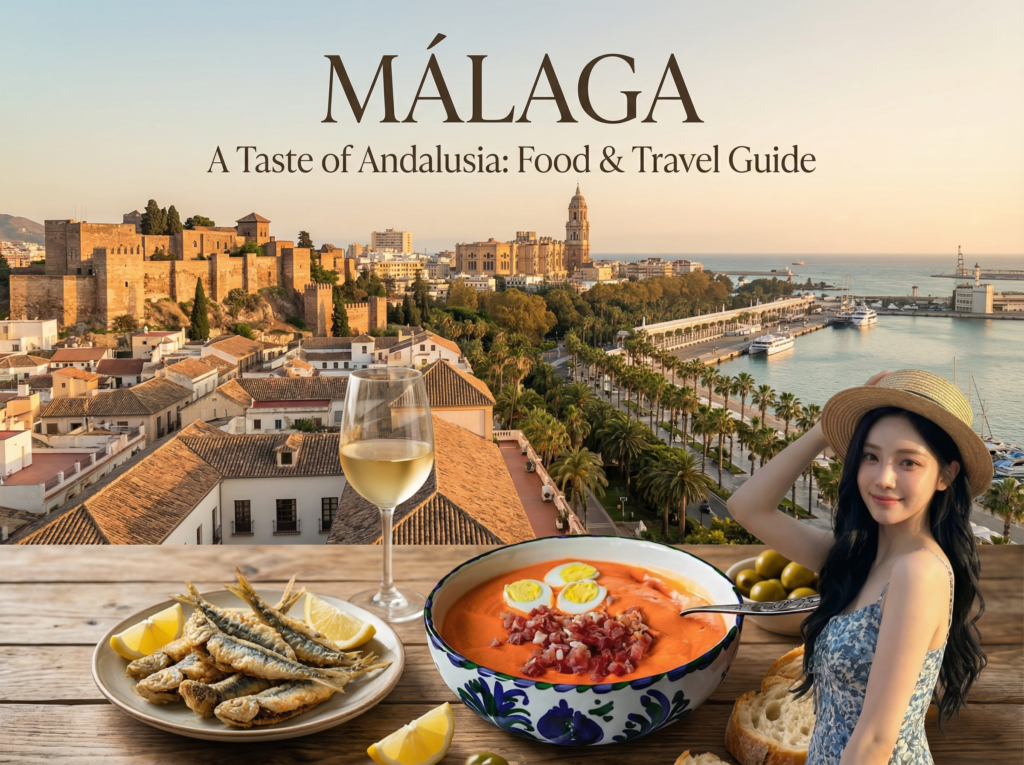
Malaga is one of those cities that reveals itself gently. At first glance, it’s sunshine, palm trees, and the sea. But if you stay a little longer — if you walk the same streets in the morning and again at dusk — you begin to notice the rhythm of daily life, the way locals linger over coffee, and how history quietly shapes everyday moments.
While many travelers use the airport as a mere gateway to the crowded resorts of the Costa del Sol, they often miss the soul of the city itself. If you are wondering what to do and eat in Malaga, you’ve come to the right place. This guide is for the traveler who wants to breathe with the city, find the quietest plazas, and eat where the locals linger long after the sun sets.
Quick Intro to Malaga and Practical Advice
Malaga is a coastal city in southern Spain, in the Andalusia region. It sits along the Mediterranean Sea, with mountains rising behind it — a geography that gives the city both openness and intimacy.
- Best Time to Visit for a Calmer Experience: spring (April-June) and autumn (September-October) are sublime. The weather is warm and pleasant (20-25°C / 68-77°F), perfect for walking, and the crowds are thinner than in the peak summer heat. If you visit in the busy summer, plan sightseeing for early mornings and reserve your afternoons for the beach or a siesta. Most museums run extended summer hours, but always check opening times before you go. Winter is also underrated: quieter, affordable, and still of sunshine. Check out this guide on Why Winter is the best time to visit Malaga to learn more.
- Getting Around: Use the “C1” train for the airport—it’s fast, clean, and only a few Euros. Málaga’s historic center is beautifully compact and best explored on foot. For longer jaunts to districts like Pedregalejo or the Gibralfaro castle, the local bus network is efficient, and taxis or rideshares are affordable.
- Local Rhythm: Lunch is typically 2-4 PM, and dinner starts around 9 PM. You may want to go a bit earlier to avoid the crowd. Many smaller shops still close for a siesta from about 2-5 PM.
- Essential Tip: For major attractions like the Picasso Museum and the Alcazaba, book your tickets online in advance. This saves hours of waiting, especially as visitor numbers continue to climb.
- Connectivity: If you’re a digital nomad, the Malaga TechPark area and Soho have the best coworking spaces with gigabit fiber.
- Reservations: For popular restaurants like El Pimpi, it is best to book online at least 48 hours in advance.
- Malaga is best for: Malaga suits travelers who enjoys culture at a slower pace of life. It’s a dream for art lovers, seafood enthusiasts, and anyone who values a culture where the “siesta” is still a respected art form. It’s especially rewarding for solo travelers, couples, and anyone craving a softer Mediterranean pace.
What to Do in Malaga
The Alcazaba of Málaga
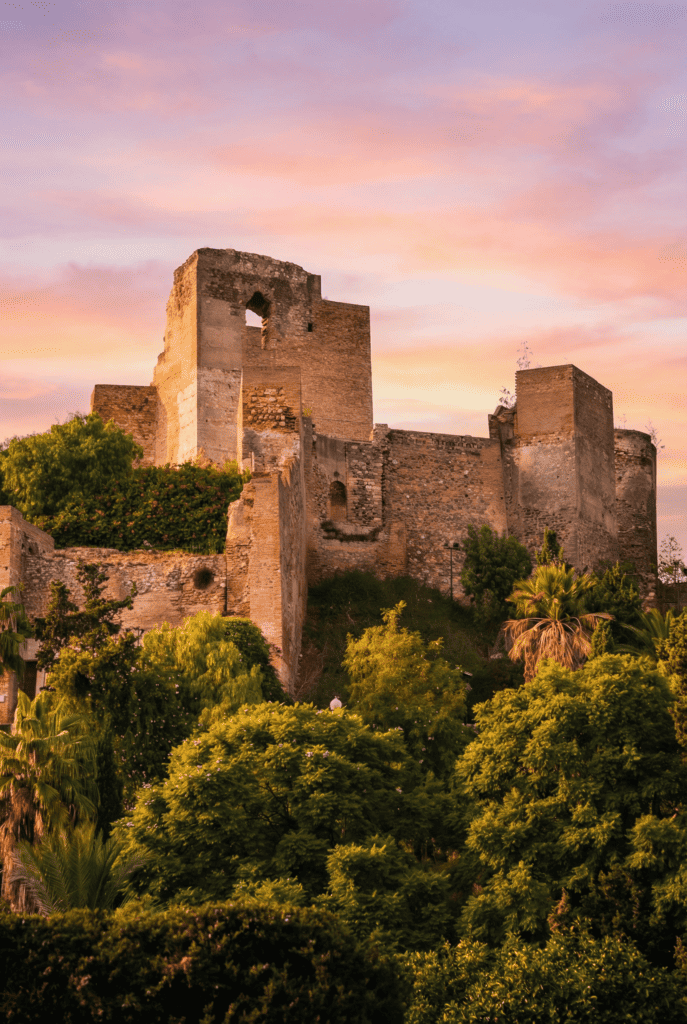
This 11th-century Moorish fortress is the heart and soul of the city’s history. As you wander through its horseshoe arches and fragrant jasmine gardens, you’ll find yourself transported back to the era of Al-Andalus. It’s remarkably well-preserved, and the way the light hits the ancient brickwork in the late afternoon is simply magical. Make sure to walk all the way to the top for a view that overlooks the Roman Theatre and the shimmering port

Málaga Cathedral (La Manquita)
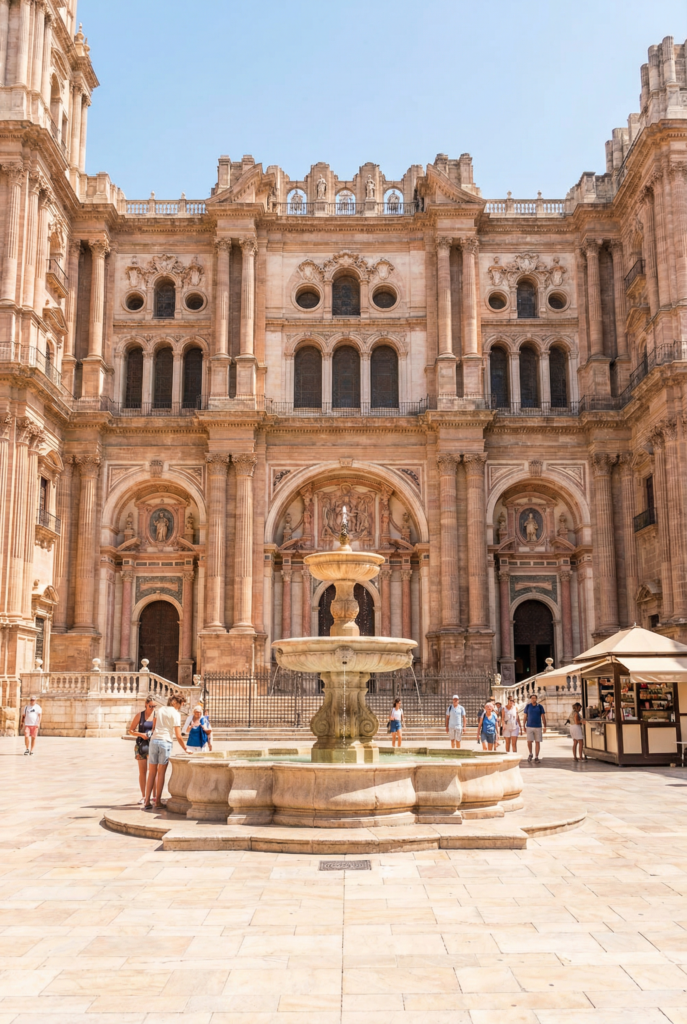
You can’t miss this towering beauty, known affectionately by us locals as La Manquita, or “The One-Armed Lady,” because its second tower was never finished. This architectural masterpiece took over 250 years to build, resulting in a stunning mix of Renaissance and Baroque styles. Inside, the soaring ceilings and intricately carved wood choir stalls are breathtaking, but the real secret is taking the guided tour to the roof. Standing among the domes with the entire city spread out beneath you is a 2026 bucket-list moment.
Castillo de Gibralfaro
Perched high on a hill overlooking the city, this 10th-century castle was once the most impregnable fortress on the Iberian Peninsula. While the hike up can be a bit of a workout, the panoramic views of the bullring, the coastline, and even the mountains of Africa on a clear day are worth every step. It’s the best place in the city to watch the sunset, as the sky turns a deep violet and the city lights begin to twinkle like scattered diamonds.
Picasso Museum Málaga
As the birthplace of Pablo Picasso, Málaga honors its most famous son in the stunning Buenavista Palace. The museum houses over 200 works that trace his artistic journey from his early academic studies to his bold cubist masterpieces. It’s an intimate space that feels more like a private home than a cold gallery, and the rotating exhibitions in 2026 continue to keep the experience fresh for even the most seasoned art lovers.
Mercado Central de Atarazanas
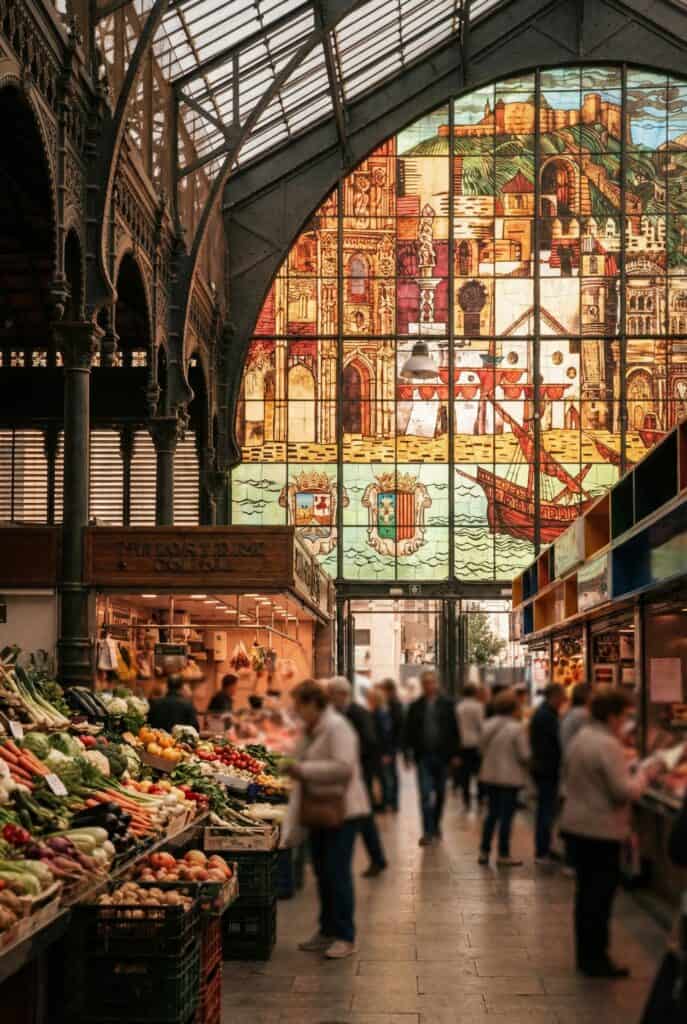
For a true taste of local life, you have to spend a morning at this vibrant food market. Housed in a 19th-century industrial building that features an original 14th-century Moorish shipyard gate, it’s a feast for all five senses. You’ll find stalls overflowing with colorful Mediterranean produce, salty olives, and the freshest seafood imaginable. Grab a stool at one of the small bars inside to enjoy some fried fish and a cold drink alongside the locals.
Centre Pompidou Málaga
Located right at the port, this “pop-up” museum is instantly recognizable by its vibrant, multicolored glass cube. It serves as a modern contrast to the city’s ancient stones, housing a fantastic collection of 20th and 21st-century art. The 2026 installations are particularly interactive, making it a great spot if you’re looking for something avant-garde and visually striking to break up your historical sightseeing.
Playa de la Malagueta
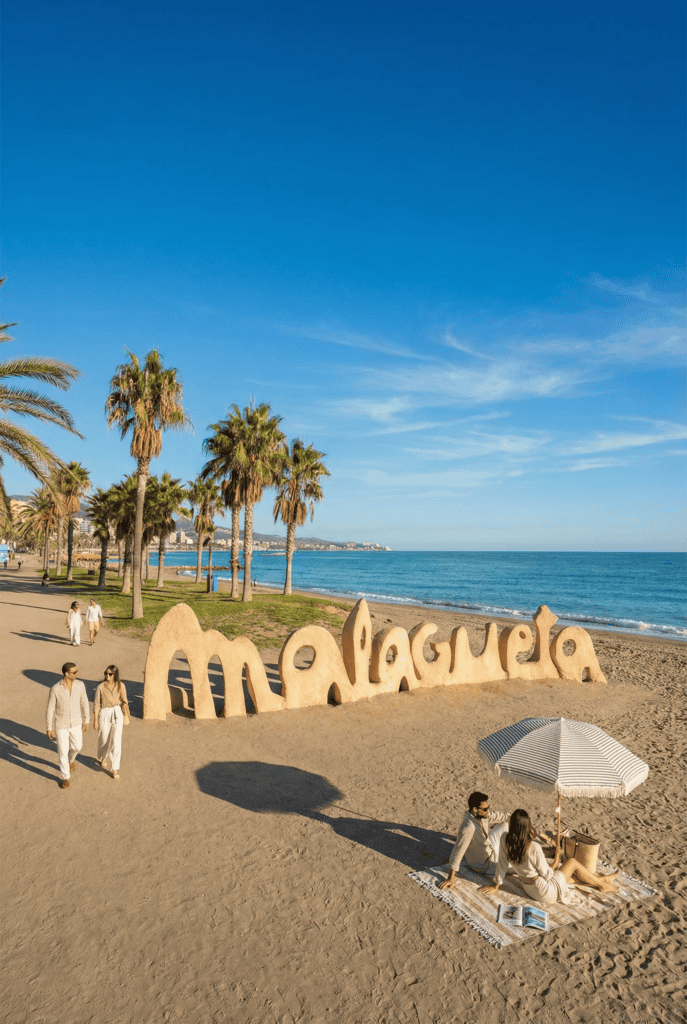
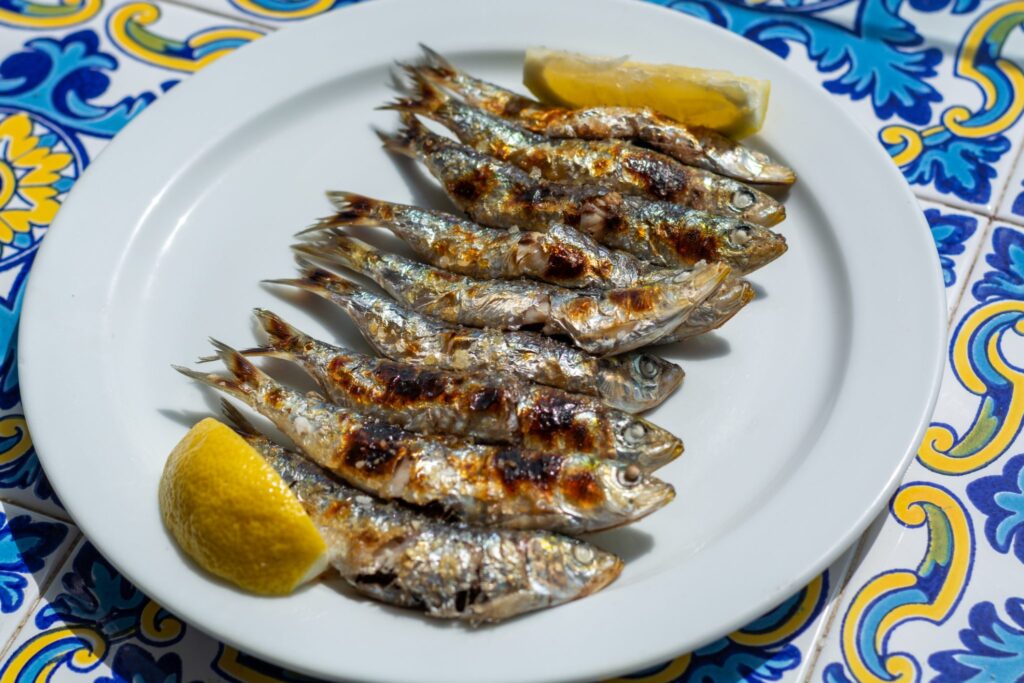
Just a short stroll from the city center, this is Málaga’s most famous urban beach. While it’s perfect for sunbathing and a quick dip in the sea, the real draw is the chiringuitos (beach bars) that line the sand. This is where you’ll find the iconic espetos de sardinas—fresh sardines skewered and grilled over open olive-wood fires in small boats. There’s nothing quite like eating fresh seafood with the sound of the waves just a few feet away.
Castillo de Colomares
Just 30 minutes from Málaga, this fairytale-like monument is one of Andalusia’s most unusual and unique sights. It is built as a tribute to Christopher Columbus and the discovery of the Americas, Despite looking like a medieval castle, it was actually constructed in the late 20th century, and its towers, mosaics, and intricate stonework blend Gothic, Romanesque, and Mudejar styles.

For more ideas on things to do in Malaga, check out this guide on Hidden Gems in Malaga for recommendations on unique things to do, beautiful gardens, and best rooftop bars in the city.
Malaga is also a great base for exploration around the region. If you are staying for a few days, be sure to check out my guide on Best Day Trips from Málaga for a great list of destinations that is easily reachable from Malaga.
What to Eat in Malaga
We need to talk about food, because in Málaga, eating is a love language. While everyone flocks to El Pimpi (and you should go once, just for the atmosphere and the photos of Antonio Banderas), the true soul of the city lies in its markets and seaside chiringuitos. Start your culinary tour at the Mercado Central de Atarazanas. Look up at the stunning stained-glass window before diving into the stalls. Grab some almendras fritas (fried almonds) and some local payoyo cheese. In 2026, the trend is all about “farm-to-fork” authenticity, so look for the stalls labeled with Sabor a Málaga.
For lunch, we’re heading East. Take a bike or a leisurely stroll along the promenade to Pedregalejo or El Palo. This is where the locals spend their weekends. You’ll see the espeteros grilling fresh sardines over open olive-wood fires in small boats filled with sand. Order an espeto de sardinas and a glass of cold tinto de verano. There is nothing—and I mean nothing—more “Málaga” than eating grilled fish with your feet almost touching the sand while the sun sparkles on the water.
Check out my guide on the Best Paces to Eat in Malaga for an Insider’s Guide to the best restaurants in Malaga.
Local Dishes to Sample:
Espetos de Sardinas: Fresh sardines skewered and grilled over olive wood fires in boat-shaped pits on the beach. You must eat these in Pedregalejo. It is the taste of a Malagueño summer.
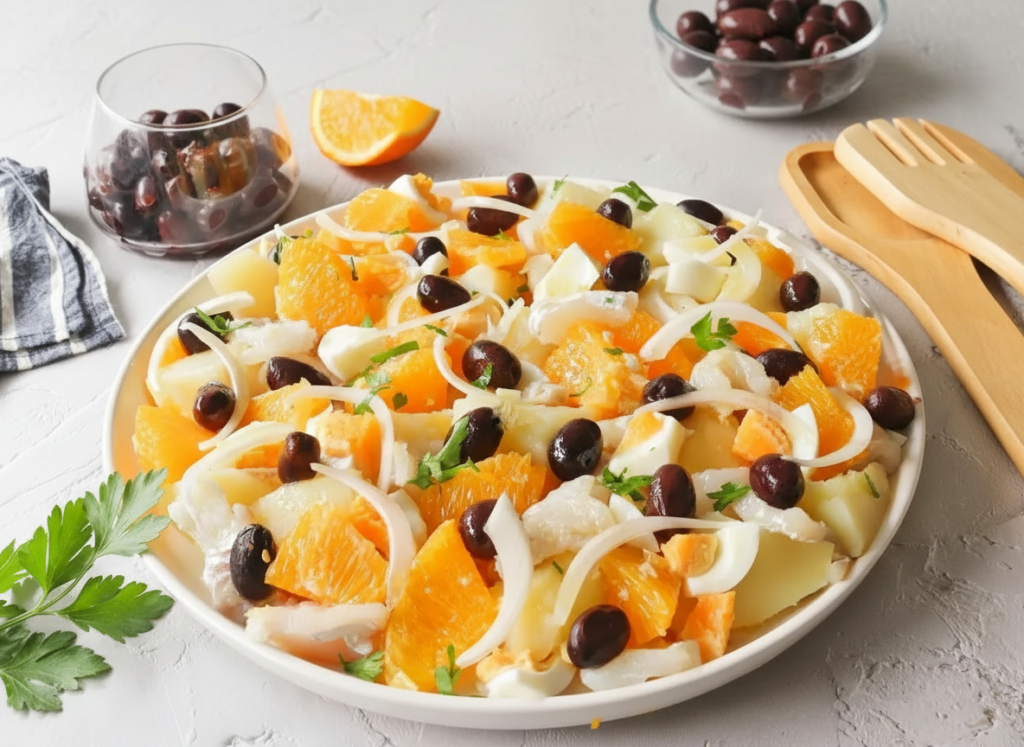
Ensalada Malagueña: A refreshing, surprising mix of boiled potatoes, oranges, cod, and olives. It sounds unusual, but on a warm day, it makes perfect sense.
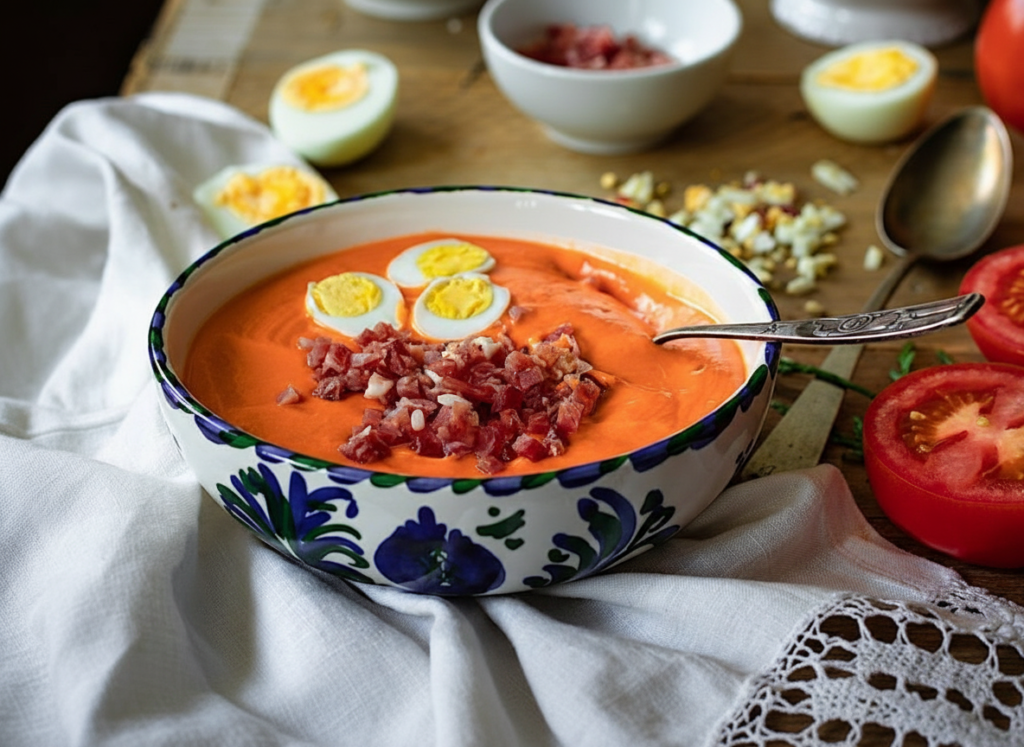
Porra antequerana: A thick, chilled cream made from tomatoes, dried bread, bell peppers, garlic, and high-quality extra virgin olive oil. It is thicker and richer than its cousin gazpacho. It’s typically served cold and topped with savory garnishes like hard-boiled eggs and salt-cured ham, making it an incredibly refreshing and filling choice for a warm afternoon
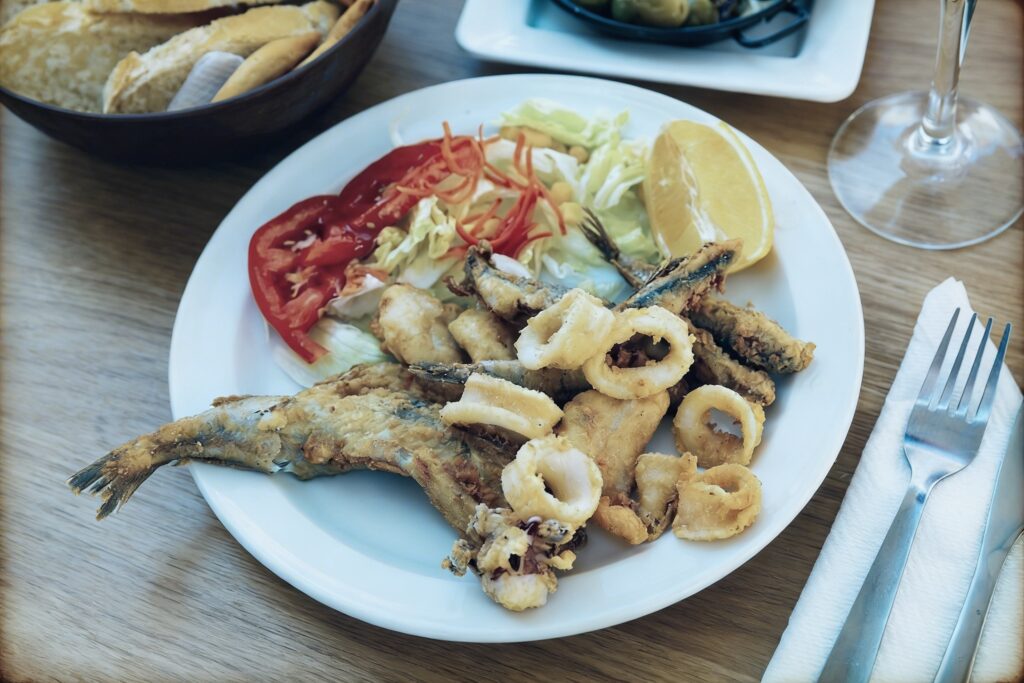
Fried boquerones: fresh anchovies lightly floured and fried until crisp, served straight from the pan with a squeeze of lemon. A good option to try anchovies is in a Malaga-style fried fish platter fritura malaguena, which is a mix of fried fish (usually anchovies, squid, baby squid, pink squid, among others) and is served in beach bars along the coast.
Berenjenas Fritas con Miel de Caña – crispy fried eggplant drizzled with a thick, dark, sweet molasses made from sugarcane, very popular in the Andalusian region. You can find this on the menu of most traditional tapas bars.
Campero malagueño: A local sandwich that you can only find on the Costa del Sol. Made with the Antequera mollete (a type of bread roll with the consistency of a muffin), the original recipe includes ham, cheese, mayonnaise and various vegetables

Flexible Slow Travel Itinerary
2–3 Days: The Gentle Introduction
- Day 1: Explore the Historic Center, visit the Alcazaba, and end with tapas at Casa Lola.
- Day 2: Morning at the Picasso Museum, afternoon walk through the Paseo del Parque, and sunset at Muelle Uno (the port).
- Day 3: A slow morning at the Atarazanas Market followed by a beach afternoon at La Malagueta.
You can find a complete, day-by-day flow in The Perfect 3 Days in Malaga Itinerary where I map this out fully, balancing culture, seaside pauses, and local food.
4–5 Days: Deeper Immersion
- Day 4: Take a local bus to Pedregalejo. Walk the promenade, eat an espeto, and watch the sunset from the sand.
- Day 5: Visit the Botanical Gardens or take a day trip to the white village of Frigiliana (just an hour away) to see the mountains.
Check out my guide on the Best Day Trips from Málaga for more ideas of some really amazing attractions out of the city
Where to Stay (By Neighborhood)
- Centro Histórico (Boutique): Perfect if you want to be steps away from the museums. Look for small hotels on side streets rather than the main Calle Larios to avoid the noise.
- Soho (Mid-Range): Modern, artsy, and very walkable. It feels a bit more “real” than the direct center.
- Pedregalejo (Local): If you want to wake up to the sound of the ocean and don’t mind a 15-minute bus ride into the city, stay here. It’s pure magic.
Check out this guide on Where to Stay in Malaga for a complete guide on the best neighbourhood and hotels
Getting Around Without Stress
Malaga is a very walkable city, and the center is mostly pedestrianized.
- Walking: This is the best way to see the city. Wear comfortable shoes; the marble streets in the center can be surprisingly slippery!
- Public Transport: The EMT buses are clean and reliable. You can tap your credit card to pay, which saves the stress of finding a ticket machine.
- Trains: The C1 Cercanías train is perfect for getting to and from the airport. It’s fast, cheap, and runs every 20 minutes until about 12.50 am. If you are arriving a bit later, you can take the night buses into city center. They cost around €4 and you can use your credit card to buy the ticket on the bus directly.
Practical Tips
- Siesta is Real: Between 2:00 PM and 5:00 PM, many local shops will close. Don’t fight it and try to embrace this. This is your time to rest, read a book, or have a long lunch.
- Safety: Malaga is very safe, even for solo travelers. Just keep a casual eye on your bag in the crowded market.
- Dining Times: The locals eat late. If you go to dinner at 7:00 PM, you’ll be the only one there. Aim for 9:00 PM to feel the true energy of the city.
FAQs
Is Malaga worth visiting? Absolutely. It has transformed over the last decade into a world-class cultural hub while keeping its relaxed, Andalusian soul.
How many days do you need in Malaga? While you can see the highlights in 2 days, 4 to 5 days allows you to actually experience the lifestyle, which is the best part of the city. Malaga is also a prefect base for some amazing day trips around the region, check out my guide on Best Day Trips from Málaga for some great attractions around the region.
Is Malaga expensive? Compared to Madrid or Barcelona, Malaga is very affordable. You can get a coffee for €1.50 and a substantial lunch for €12–15.
Is Malaga safe? Yes, it is one of the safest cities in Spain. Use common sense, but feel free to walk and explore comfortably.
I hope this guide helps you fall in love with Malaga as much as I have. There is a specific kind of peace found in a Malaga sunset that I can’t wait for you to experience. If you’ve been wondering what to do and eat in Malaga, my best advice is this: do a little less than you planned, and stay a little longer than you expected. That’s where Malaga truly shines.

You May Also Be Interested In
- Best Day Trips from Málaga: A Local Guide to Easy Escapes Beyond the City
- The Perfect 3 Days in Malaga Itinerary
- Hidden Gems in Malaga: Local Secrets & Off-the-Beaten-Path Tips
- Where to Stay in Malaga: Best Neighborhoods & Hotels
- Best Places to Eat in Malaga: An Insider’s Guide to Best Restaurants
- The Complete Guide to Nerja: Stunning Beaches, Cave, and Slow Travel
- Malaga in Winter: Why I’ts the Best Time to Visit
Don’t Forget to Save this guide so you can find it later !


Pingback: Best Day Trips from Málaga - slowtravelcityguides.com